
Behavior and emotions
Understanding the Link Between Anxiety and Sensory Processing Challenges
Let's delve into how sensory diets are tailored for specific conditions and why they hold such significance.
- Editorially Reviewed
- Plain Language
- Patient Focused
A note on terminology: sensory processing disorder is not a standalone diagnosis in the DSM-5-TR or ICD-11. Difficulty processing sensory information is real and can be assessed by an occupational therapist, but it is described as part of a broader clinical picture rather than diagnosed as a condition in its own right. Anxiety and sensory difficulty each tend to amplify the other rather than one simply causing the other.
Related expert perspectives: When Sensory Issues and Anxiety Overlap by Dr. Beata Lewis, MD, and When Sensory Overwhelm Leads to Anxiety by Rebecca Rabin, PsyD.
Key Takeaways
- Sensory Processing Disorder is a neurological difference in how a child's brain handles input from the senses, not a behavioral problem or a phase a child will simply outgrow.
- Studies show that 40 to 60 out of 100 children with SPD also experience strong anxiety, and these children are more likely than their peers to have anxiety disorders.
- Everyday sensory triggers like a sudden school bell, a noisy lunchroom, or scratchy socks can set off a child's fight-or-flight response, and repeated exposure can build into ongoing anxiety.
- Practical supports such as creating a calm sensory-friendly space, following a sensory diet, practicing mindfulness, and helping children name their feelings can lower anxiety tied to sensory challenges.
- Occupational, physical, and speech therapy each play a role in helping children with SPD and anxiety, and finding sensory differences early gives kids the best chance to thrive.
How are anxiety and sensory processing challenges connected, especially in kids? Many parents and helpers see that children with Sensory Processing Disorder (SPD) often feel more anxious. But understanding why this happens—and how to help—can be hard. This guide is made for parents, teachers, therapists, and anyone who supports kids with sensory needs. Here, you’ll find useful tips, the latest ideas, and trusted information to better help kids dealing with both SPD and anxiety.
Frequently Asked Questions
Why does my child with sensory processing issues seem so anxious?
For children with SPD, things that feel normal to others can trigger a fight-or-flight response, making it harder to manage emotions. Facing these overwhelming feelings often can lead to ongoing anxiety.
How common is anxiety in kids with sensory processing disorder?
Studies show that 40 to 60 out of every 100 children with SPD also have strong anxiety, and children with SPD are more likely to have anxiety disorders than other children.
What can I do at home to help my child's sensory-related anxiety?
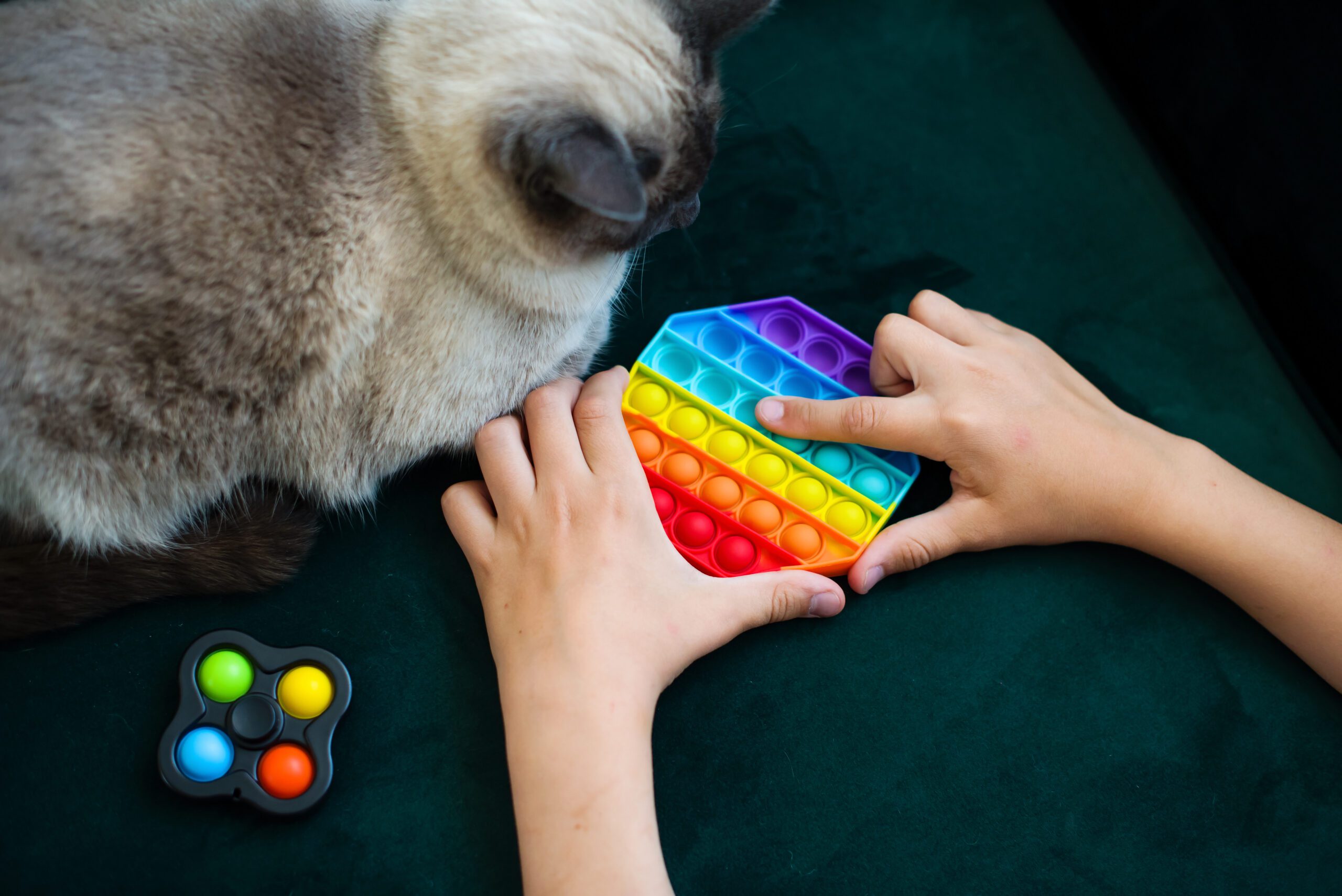
Creating a calm, sensory-friendly space with soft lighting, quiet sounds, and predictable routines can help a child feel safe. Tools like noise-canceling headphones, fidget toys, and visual schedules can help some children feel calmer. Some families also find weighted blankets comforting, though the evidence for them is limited and they are a comfort aid, not a treatment.
What is a sensory diet and can it help with anxiety?
A sensory diet is a plan of activities that gives a child the sensory input they need to focus and stay calm throughout the day, such as movement, deep pressure, or breathing exercises. Using these sensory activities can help kids handle anxiety better, and a pediatric occupational therapist can tailor a plan to your child.
Which therapies help children who have both SPD and anxiety?
Occupational therapists use sensory integration therapy to help the brain handle sensory information, physical therapists improve body awareness and coordination to ease worry about movement, and speech therapists help children communicate and express their feelings. Starting therapy early gives children the best chance to do well.
Sources
- Green SA, et al. Anxiety and Sensory Over-Responsivity in Toddlers with Autism Spectrum Disorders: Bidirectional Effects Across Time. Journal of Autism and Developmental Disorders. 2011; 42(6). doi:10.1007/s10803-011-1361-3
- National Institute of Mental Health. Anxiety Disorders. nimh.nih.gov. Checked August 21, 2026.
- Ben-Sasson A, et al. A Meta-Analysis of Sensory Modulation Symptoms in Individuals with Autism Spectrum Disorders. Journal of Autism and Developmental Disorders. 2008; 39(1). doi:10.1007/s10803-008-0593-3
Medical disclaimer. This page is for general educational purposes and does not constitute medical advice, diagnosis, or treatment. Always consult a qualified healthcare provider about your individual situation.