Sensory Processing Disorder

Authored by: The DrSensory Editorial Team
Reviewed by: 🛡️ DrSensory Clinical Review Board
Last updated: June 2026
Key Takeaways
- Auditory Processing Disorder (APD), also called Central Auditory Processing Disorder (CAPD), is a neurological condition that affects the brain's ability to interpret and make sense of sounds, even though hearing ability is typically normal.
- APD is not a form of hearing loss but a hearing processing issue, so a person can hear sounds yet struggle to understand spoken words, distinguish similar sounds, remember verbal instructions, and filter background noise.
- Diagnosing APD typically requires a comprehensive audiological evaluation by a certified audiologist, and most tests are only administered after age 7, when the auditory system is mature enough for accurate results.
- There is no cure for APD, but targeted interventions such as auditory training therapy, speech-language therapy, classroom accommodations, and assistive listening devices can significantly improve auditory function and communication.
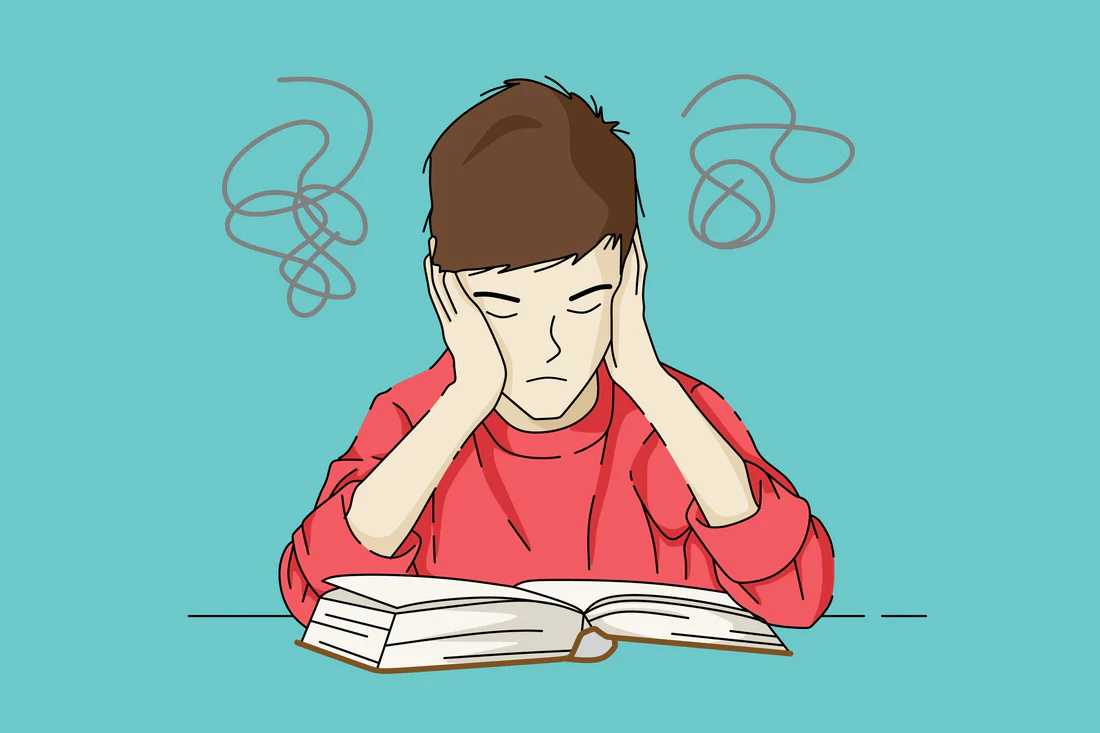
- Because students with APD may struggle to retain oral instructions and follow classroom directions, they can appear to have ADHD, learning disabilities, or behavioral issues, making early intervention important.

| Condition | Overlap with APD | Key Differences |
|---|---|---|
| ADHD | Inattention, listening problems | ADHD affects attention overall, not just sound |
| Austis, | Sound, sensitivity, communication issues | Autism includes broader social/behavior symptoms |
| Dyslexia | Difficulty with phonics and reading | Dyslexia is language-based, not auditory-based |
Frequently Asked Questions
Can a child have normal hearing and still have APD?
Yes. Children with APD typically have normal hearing ability but their brains have difficulty processing, differentiating, and retaining auditory information, especially in noisy environments.
What are the signs of APD in children?
Children with APD may frequently ask "What?" or "Huh?", struggle to follow multi-step directions, mishear similar-sounding words, have difficulty with phonics and reading, struggle to understand instructions in noisy rooms, and appear inattentive or distracted.
How is auditory processing disorder diagnosed?
APD diagnosis typically requires a comprehensive audiological evaluation by a certified audiologist, including a standard hearing test to rule out hearing loss and auditory processing tests that assess sound discrimination, sequencing, and comprehension. Input from parents, teachers, or employers, and supplemental assessments from specialists, may also be used.
What causes auditory processing disorder?
The exact cause is still being researched, but known risk factors include premature birth or low birth weight, recurrent ear infections (especially in early childhood), head trauma or neurological disorders, and genetic or developmental conditions such as ADHD or autism.
How can my child be supported at school if they have APD?
School support strategies may include using visual aids, recording lessons, breaking down verbal instructions, and allowing extra time on oral or reading assessments. Classroom accommodations like preferential seating, written instructions, and FM systems can also help.
Sources & References
DrSensory articles are informed by guidance from the authoritative health and professional organizations below. This content is educational and is not a substitute for personalized advice from a licensed provider.
- American Speech-Language-Hearing Association (ASHA). Understanding Auditory Processing Disorders in Children.
- National Institute on Deafness and Other Communication Disorders (NIH/NIDCD). Auditory Processing Disorder.