
Autism
Sensory Processing and Sleep Problems in Autism
Why won't your autistic child sleep? Learn how sensory processing problems disrupt sleep and build a sensory-friendly bedtime routine that actually works.
- Expert Reviewed
- Plain Language
- Patient Focused
Key Takeaways
- Up to 80% of autistic children experience significant sleep problems, and these difficulties are usually rooted in how the brain works rather than poor discipline or bad habits.
- Sleep struggles in autism often stem from a mix of factors, including out-of-sync circadian rhythms and irregular melatonin production, higher levels of anxiety, co-occurring medical issues like gastrointestinal problems or acid reflux, and differences in sensory processing.
- Sensory sensitivities don't switch off at night: a hypersensitive child can be overwhelmed by a clothing tag, faint sounds, or a sliver of light, while a hyposensitive or sensory-seeking child may toss, turn, or get out of bed because their body craves deep pressure and movement.
- Adjusting the sleep environment to a child's sensory needs helps: seamless pajamas and soft fabrics for over-responsive children, and a weighted blanket (about 10% of the child's body weight, used with an occupational therapist's guidance) for those who seek deep pressure, plus white noise, blackout curtains, and a minimalist room.
- A predictable, calming, sensory-aware bedtime routine followed every night is the single most powerful tool for improving sleep, and persistent problems warrant a visit to the pediatrician or an occupational therapist.
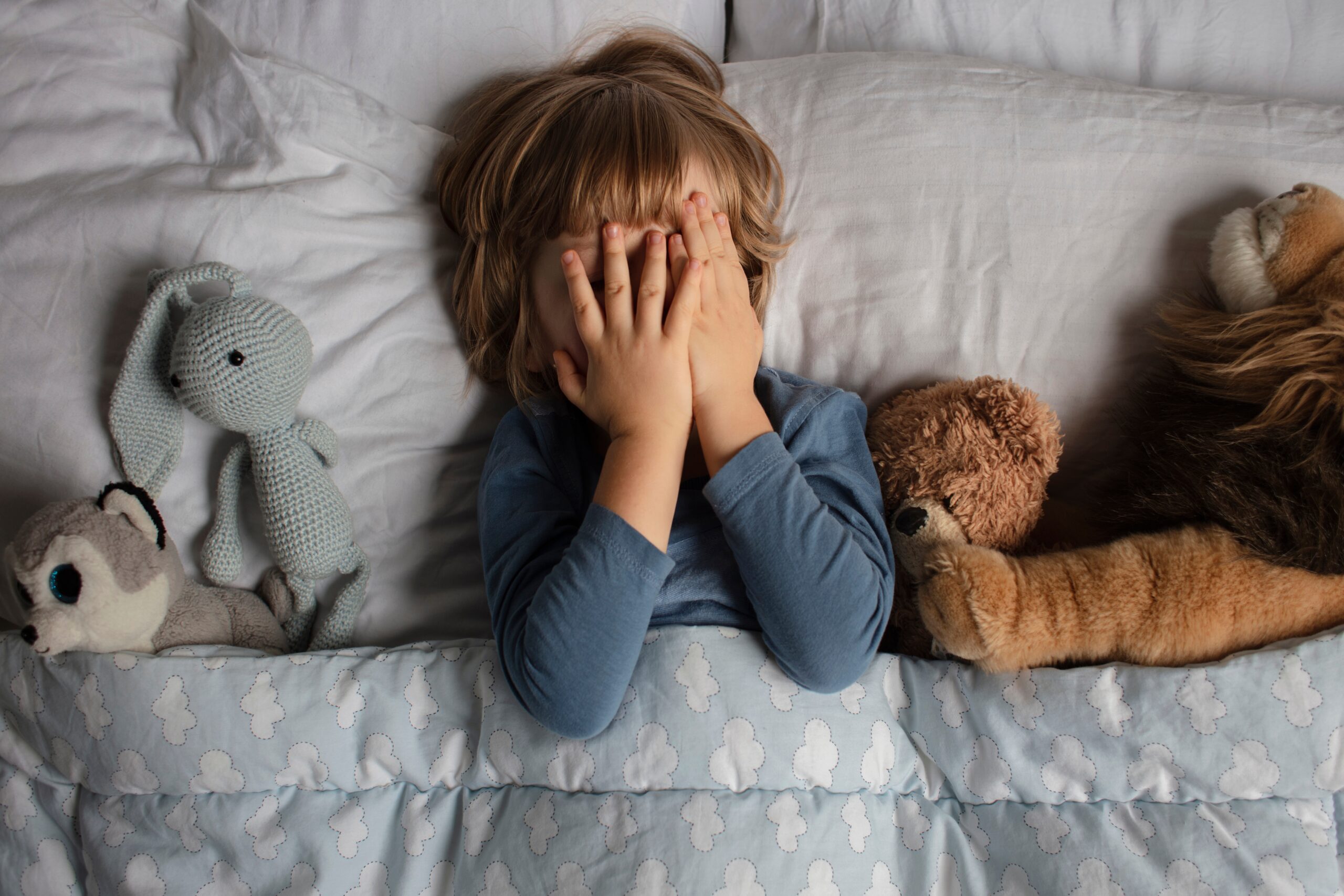
The house is finally quiet, but you know the night is far from over. For many parents of children with autism, bedtime isn’t a peaceful end to the day but the beginning of a nightly struggle. Tossing, turning, frequent waking, and difficulty falling asleep are incredibly common challenges. You’ve tried everything from warm milk to lullabies, yet a full night of restful sleep remains elusive for your child and, consequently, for you. If this sounds familiar, you are not alone. It’s estimated that up to 80% of autistic children experience significant sleep problems.
These challenges are not a matter of poor discipline or bad habits. Often, they are deeply connected to a core feature of autism: differences in sensory processing. The same sensory sensitivities that can make a crowded store or a scratchy sweater overwhelming during the day don’t simply switch off at night. Understanding the intricate link between your child’s sensory system and their sleep patterns is the key to unlocking more peaceful nights.
This guide will explore why sleep issues are so prevalent in the autistic community, how specific sensory processing differences interfere with rest, and what practical steps you can take to create a sensory-friendly sleep environment that promotes calm and restorative sleep.
Popular next reads
Frequently Asked Questions
Why does my autistic child have so much trouble sleeping?
Sleep problems are very common in autism, with up to 80% of autistic children affected, and they often come from a combination of factors such as out-of-sync circadian rhythms, irregular melatonin, anxiety, medical issues like reflux, and differences in how the brain processes sensory information. These challenges are not a matter of poor discipline or bad habits.
Is it safe to use a weighted blanket for my autistic child?
Weighted blankets can be a wonderful tool for providing calming deep pressure, but they need to be used safely. The blanket should be about 10% of your child's body weight, the child must be able to remove it independently, and it's always best to consult an occupational therapist before introducing one.
How can I set up my child's bedroom to help them sleep?
Tailor the room to your child's sensory needs by managing touch, sound, and light: try seamless pajamas and soft fabrics for an over-responsive child, or a weighted blanket or compression sheet for a sensory seeker. Use a white noise machine, blackout curtains, and reduce visual clutter, since even a small amount of light can disrupt melatonin production.
Can melatonin supplements help my child sleep?
Melatonin can be effective for some children, especially those who have trouble falling asleep due to a disrupted circadian rhythm. It should only be used under a doctor's guidance so they can recommend the right dosage and timing and make sure it doesn't interact with other medications.
When should I get professional help for my child's sleep problems?
Consult your child's doctor or a specialist if consistent sensory strategies bring no improvement, if your child shows signs of sleep apnea (loud snoring, gasping for air) or Restless Leg Syndrome, or if the lack of sleep is seriously affecting their daytime mood, behavior, and learning or causing significant stress for the family. Your pediatrician can rule out medical issues and may refer you to a sleep specialist or occupational therapist.
Sources
- Abdelgadir IS, Gordon MA, Akobeng AK. "Melatonin for the management of sleep problems in children with neurodevelopmental disorders: a systematic review and meta-analysis." Archives of Disease in Childhood, 2018. A systematic review of randomized trials, and the reason this page treats melatonin as a discussion to have with a clinician rather than a first step. doi.org/10.1136/archdischild-2017-314181
- Miller LJ, Anzalone ME, Lane SJ, Cermak SA, Osten ET. "Concept Evolution in Sensory Integration: A Proposed Nosology for Diagnosis." American Journal of Occupational Therapy, 2007. Where the over-responsive and under-responsive language used throughout this page comes from. doi.org/10.5014/ajot.61.2.135
- Centers for Disease Control and Prevention. Pediatric Melatonin Ingestions — United States, 2012–2021. MMWR. cdc.gov. Checked August 22, 2026.
- American Academy of Pediatrics. Melatonin for Kids: What Parents Should Know About This Sleep Aid. healthychildren.org. Checked August 22, 2026.
Disclaimer. This page is for general educational purposes and does not constitute medical advice, diagnosis, or treatment.