10 Sensory Friendly Strategies to Ease Separation Anxiety in Special Needs Kids

May 25, 2025

10 Sensory Friendly Strategies to Ease Separation Anxiety in Special Needs Kids

Key Takeaways

  • Separation anxiety is a normal part of childhood development, but for children with autism, ADHD, SPD, or speech delays, it often becomes more pronounced because these conditions amplify struggles with change and unpredictability.
  • When a child is hypersensitive to sensory input, minor shifts in environment or routine can trigger sensory overload that heightens anxiety, so sensory tools can help children regain emotional regulation during transitions.
  • Predictable routines, visual supports, weighted items, sensory breaks, safe retreat spaces, social stories, gradual exposure, communication tools, calming sensory activities, and professional support are ten sensory-friendly strategies that can ease goodbyes.
  • Persistent anxiety that interferes with daily routines or sleep, refusal to leave home, or extreme emotional outbursts when anticipating separation can signal a deeper underlying condition that warrants attention.
  • Early intervention is crucial, and with the proper support from occupational therapists, speech therapists, or sensory integration therapy, children with developmental delays can overcome significant anxiety and thrive.

Separation anxiety can be tough on any child, but for children with special needs, it often goes hand in hand with heightened sensory sensitivities. Whether your child is autistic, has ADHD, SPD (sensory processing disorder), or speech delays, transitions like saying goodbye at the school gate or for a caregiver switch can magnify their anxiety. But there’s hope.

With the right sensory-friendly strategies, you can help make those goodbyes a little easier while empowering your child to grow in confidence and resilience.

A Guide to Understanding Sensory Diets for Children with SPD

Does My Child Have ADHD?

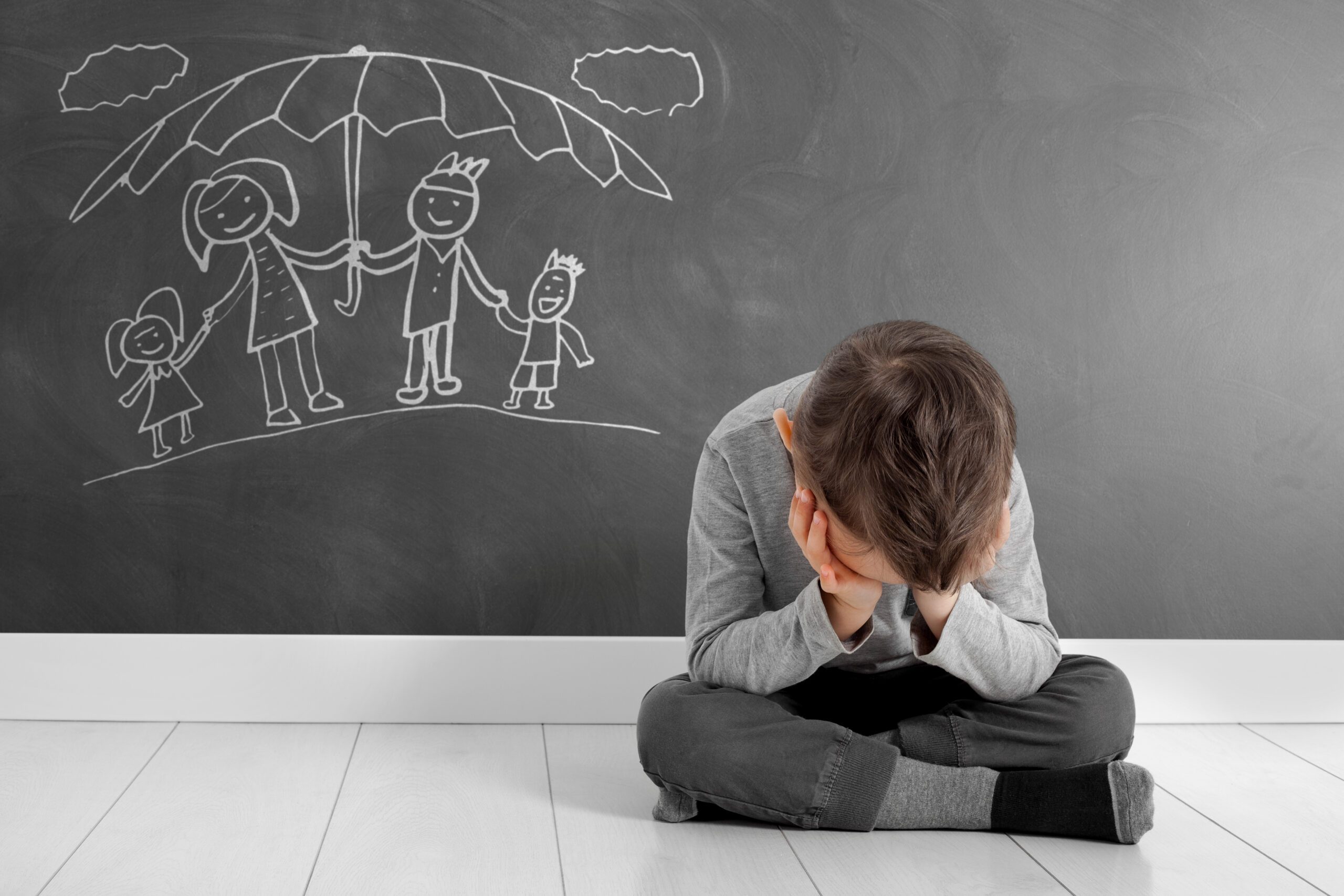
Boy With Separation Anxiety

Understanding Separation Anxiety in Special Needs Kids

Separation anxiety is a normal part of childhood development, particularly in younger kids. It often presents as:

  • Crying or clinginess when separating from a trusted caregiver
  • Physical symptoms like stomachaches or headaches
  • Difficulty sleeping or excessive worrying about being apart

For children with special needs, these signs can be even more pronounced. Autism, ADHD, SPD, or speech delays can amplify their struggles with change and unpredictability. For example:

  • Children with autism may rely heavily on routine, making transitions even harder.
  • Children with ADHD may have heightened feelings of impulsivity and insecurity.
  • Children with SPD may experience sensory overload, making new environments overwhelming.

If this sounds familiar, you’re not alone. With the proper approaches, you and your child can manage and diminish these challenges over time.

Occupational Therapy Activities for Children With Autism

Is It Autism Or Sensory Processing Disorder?

NEURODIVERSITY: Understanding the Overlap Between Autism, Sensory Processing Disorder, and ADHD

The Sensory Connection How Sensory Sensitivities Amplify Anxiety

Ever wondered why separation anxiety feels more intense for children with special needs? The answer lies in sensory processing. When a child is hypersensitive to sensory input, seemingly minor shifts in their environment or routines can trigger a sensory overload that heightens their anxiety.

For example:

  • Loud noises in a school drop-off line could make a child with SPD feel overwhelmed.
  • New visual stimuli, like a classroom’s bright decorations, can overstimulate autistic children.
  • Unfamiliar touch, like the feel of a caregiver’s hand, might unsettle them.

This is where sensory tools can make a powerful impact. DrSensory.com emphasizes the importance of using sensory strategies to help children regain emotional regulation and confidence during transitions.

A Guide to Understanding Sensory Diets for Children with SPD

Understanding the Connection Between Sensory Processing and Behavior in Children

Understanding Sensory Overload and Coping Strategies

Sensory Processing Integration Therapy

10 Sensory Friendly Strategies to Ease Separation Anxiety

1. Create a Predictable Routine

Predictability reduces uncertainty, which calms anxiety. Establish clear morning and goodbye routines. Use visual schedules or consistent sensory tools for autism like timers or routine charts to ensure your child knows what to expect.

Occupational Therapy Activities for Children With Autism

Understanding and Managing Autism Meltdowns: Strategies for Calming Down

2. Use Visual Supports

Visual supports act as communication tools for children with special needs. These can be picture cards showing step-by-step actions or goodbye tokens that indicate when a caregiver will return, making transitions less daunting.

3. Weighted Items for Comfort

Weighted tools, like blankets, vests, or lap pads, offer soothing pressure to help regulate sensory systems during stressful mornings. These sensory tools for autism and SPD can provide a comforting, calming effect when goodbyes feel overwhelming.

Active Sensory Tools: Enhancing Play for Children With Sensory Disorders

Sensory Tools Checklist for Children with Sensory Processing Disorder (SPD)

Enhancing Child Development Through Sensory Play

4. Plan Sensory Breaks

A child experiencing sensory overload in kids benefits tremendously from short, intentional breaks to reset. Whether it’s deep breathing, rocking, or listening to calming sounds, sensory breaks can help them handle the day’s transitions more effectively.

5. Create a Safe Space at School and Home

Identify or build sensory-friendly environments your child can retreat to when they feel overwhelmed. For example:

  • At home, a cozy corner with soft pillows.
  • At school, a sensory room or designated area for kids with school anxiety ADHD.

Sensory Tools in the Classroom

Active Sensory Tools: Enhancing Play for Children With Sensory Disorders

The Science Behind Sensory Integration Therapy and How It Works

Exploring the Benefits of Sensory Diets

How Sensory Experiences Can Enhance Learning in Children

6. Use Social Stories to Normalize Goodbyes

Craft simple stories to help your child understand and rehearse goodbye scenarios. Social stories provide a powerful visual narrative for helping ADHD children transition to school or new routines.

Top Strategies for Parents Navigating ADHD in Kids

Top Strategies for Parents to Support Children with ADHD at Home and School

7. Gradual Exposure

Easing separation anxiety doesn’t happen overnight. Start small, like taking a tour of the school together before the first day. Gradually increase the time apart using sensory-friendly strategies for separation anxiety, paired with rewards or positive reinforcement.

Separation Anxiety in Children with Special Needs

Dyslexia Support: Tools and Techniques for Parents

Early Signs of ADHD: What Every Parent Should Know

8. Leverage Communication Tools

For kids who are nonverbal or with speech delays, transitioning can feel extra frustrating. Equip your child with tools like PECs (Picture Exchange Communication System) or speech therapy apps to enhance their understanding and express their emotions.

9. Offer Calming Sensory Activities

Keep your child engaged in fun, calming sensory activities. Activities like playing with kinetic sand, practicing yoga, or using fidget toys can help regulate their system. Sensory tools for autism and sensory diets can also work wonders for relaxation.

A Guide to Understanding Sensory Diets for Children with SPD

The Benefits of Sensory Toys for Calming and Sensory Seeking Behavior

Insights into Choosing the Right Sensory Toys for ADHD

10. Seek Professional Support

Sometimes, the best way to help is to get expert insights. Sensory integration therapy, speech therapy, or occupational therapy can provide tailored support to ease your child’s anxiety. At DrSensory.com’s Therapist Database, you can find the right professional nearby to guide you.

Is It Just Separation Anxiety or Something More

Occasionally, separation anxiety in special needs kids can signal a deeper underlying condition. Here’s what to watch out for:

  • Persistent anxiety interfering with daily routines or sleep
  • Avoidance or reluctance to leave home altogether
  • Aggressiveness or extreme emotional outbursts when anticipating separation

If your child shows these signs, consider potential underlying concerns like:

  • Separation anxiety in autistic children whose routines are disrupted
  • Separation anxiety in Down syndrome kids with unique developmental challenges
  • Developmental conditions such as Global Developmental Delay (GDD) or Selective Mutism

Early intervention is crucial. With the proper support, kids with developmental delays can overcome significant anxiety and thrive.

When to Seek Professional Help

If sensory-friendly strategies alone aren’t easing your child’s anxiety, it’s likely time to get help from professionals.

Empower Your Child Through Sensory Support

While separation anxiety can be daunting, the right sensory tools and strategies provide a strong foundation for your child to feel secure and confident. By integrating sensory-friendly routines, communication aids, and professional support, you ensure each goodbye becomes just another manageable step.

At DrSensory.com, we’re here to empower families like yours with expert-driven resources and guidance. Take the next step by exploring our Therapist Database and finding the right support for your child today.

Frequently Asked Questions

Why is separation anxiety harder for children with special needs?

Separation anxiety often goes hand in hand with heightened sensory sensitivities, and conditions like autism, ADHD, SPD, or speech delays can amplify a child's struggles with change and unpredictability. For example, children with autism may rely heavily on routine, and children with SPD may experience sensory overload that makes new environments overwhelming.

How can a weighted blanket help my child with separation anxiety?

Weighted tools like blankets, vests, or lap pads offer soothing pressure that helps regulate a child's sensory system during stressful mornings. They can provide a comforting, calming effect when goodbyes feel overwhelming.

What strategies can make school drop-offs easier for an anxious child?

Creating a predictable morning and goodbye routine, using visual supports like picture cards or goodbye tokens, and using social stories to rehearse goodbye scenarios can all make transitions less daunting. Gradual exposure, such as touring the school together before the first day and slowly increasing time apart with positive reinforcement, also helps.

How do I know if my child's separation anxiety is something more serious?

Watch for persistent anxiety that interferes with daily routines or sleep, avoidance or reluctance to leave home altogether, and aggressiveness or extreme emotional outbursts when anticipating separation. These signs may point to underlying concerns such as Global Developmental Delay or Selective Mutism and warrant professional attention.

When should I seek professional help for my child's separation anxiety?

If sensory-friendly strategies alone aren't easing your child's anxiety, it's likely time to get help from professionals. Occupational therapists can provide sensory integration therapies and adaptive tools, and speech therapists can assist in improving communication for nonverbal or language-delayed children.