
Sensory processing
25 Sensory Activities for Kids With SPD and ADHD, Grouped by Sensory System
Twenty-five activities worth trying — and an honest account of the evidence behind them.
- Expert Reviewed
- Evidence Based
- Patient Focused
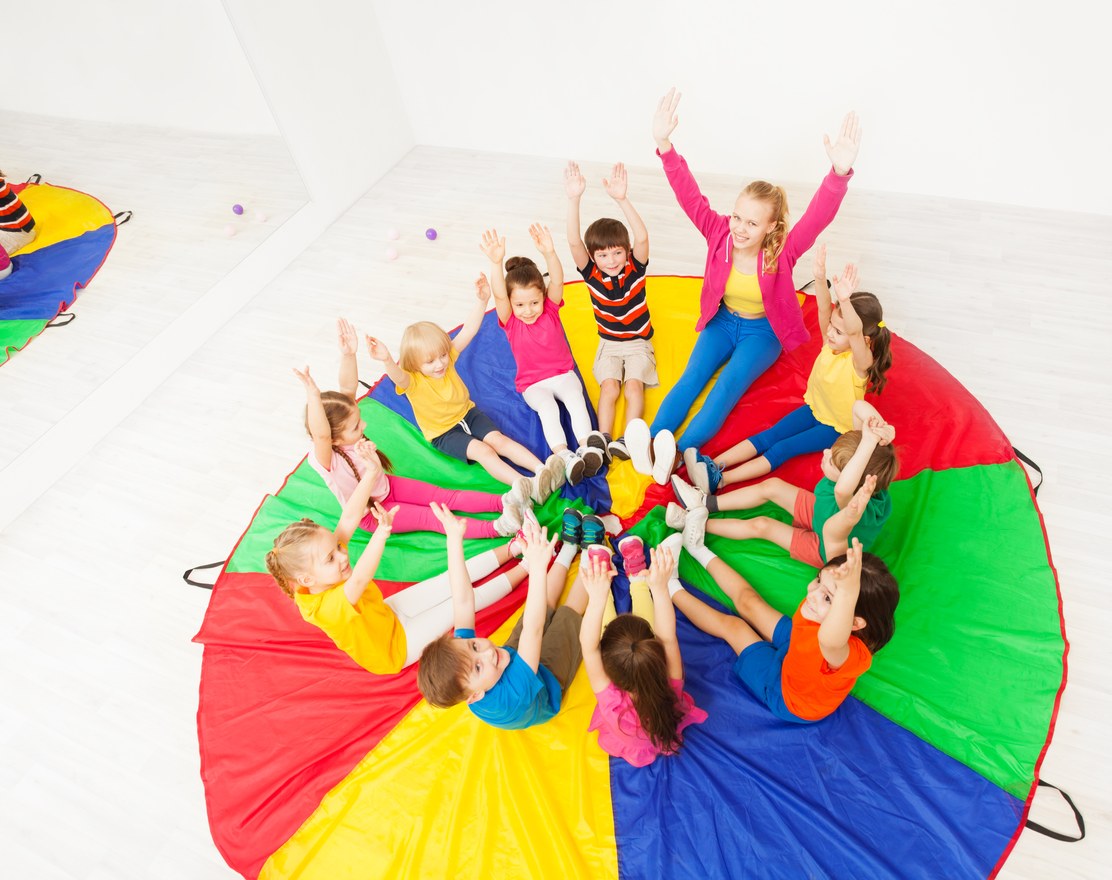
Sensory activities are everyday play that provides input to specific sensory systems — movement, deep pressure, touch, sound, and the internal senses. They're low-risk, cost little, and many families find them genuinely useful. The thing most activity lists leave out is that they aren't interchangeable: an activity that helps one child settle will overwhelm another, depending on which sensory systems they over-respond to, under-respond to, or actively seek. The activities below are grouped by the system they target, with a note on which patterns each tends to suit. Start with what your child already gravitates toward, and treat anything that increases distress as information rather than as something to push through.
Why don’t sensory activities work for every child?
There is no activity that works for every child, and the same activity can have opposite effects on two children in the same room.
Spinning organizes one child and leaves another nauseated and dysregulated for an hour. Deep pressure calms one and makes another feel trapped. A sensory bin delights one and is genuinely intolerable for a child who can't bear the feeling of rice on their hands.
Which is why the useful question isn't "what are good sensory activities" but "what does this child's system do."
Three broad patterns, and most children show a mix:
Over-responsive — input registers as more intense than it does for most people. These children generally need less input, and activities that build tolerance gradually rather than flooding. → Sensory over-responsivity
Under-responsive — input registers less, or more slowly. These children often benefit from more intense, more novel input to get their systems engaged. → Sensory under-responsivity
Seeking — actively pursuing intense input. These children usually need it provided regularly and safely, before the seeking becomes disruptive. → Sensory seeking and craving
A child can be over-responsive to sound, under-responsive to pain, and seeking movement all at once. That's an ordinary profile, not three problems.
Start with what they already choose. A child who constantly crashes into the sofa is telling you something useful about what their system wants.
What are the safety rules for sensory activities?
Follow the child's lead. Sensory activities should be offered, never imposed. A child who withdraws, freezes, or becomes distressed is not being difficult — their system has had enough.
Watch for overload rather than waiting for a meltdown. Flushing or paleness, sudden stillness or frantic movement, covering ears or eyes, and abrupt withdrawal all mean stop.
Spinning and rotary movement need particular care. Vestibular input is powerful and its effects can be delayed by up to several hours. Keep it brief, stop at the first sign of discomfort, and never spin a child who isn't asking for it.
Never restrain or wrap a child. Blanket wrapping games should always leave the head and face clear, be child-directed, be easy to get out of, and be supervised. Deep pressure is something a child chooses, not something applied to them.
Small items are a choking hazard under about three, and for any child who mouths objects. Rice, beans, and small beads need judgment rather than a blanket age rule.
Check the equipment. Trampolines, swings, and climbing all need supervision appropriate to the child and the setup.
Which proprioceptive (heavy work) activities help most?
Proprioception comes from muscles and joints, and it tells the body where it is and how much force it's using. Heavy work — pushing, pulling, carrying, climbing — is the input most children tolerate well regardless of profile, which is why this is the group to start with if you're unsure.
1 · Animal walks. Need: a hallway. How: bear crawl (hands and feet, hips high), crab walk (belly up), frog jumps, army crawl on the belly — twenty feet of each, twice. Why it works: every joint is loaded against the child’s own weight, which is proprioceptive input in its purest form. Suits: all patterns. Watch: wrists on a hard floor; use a rug.
2 · Wall pushes. Need: a wall. How: palms flat at shoulder height, feet back, push as if moving the wall for ten seconds; three rounds. Why it works: sustained resistance through the arms and shoulders, with no equipment and nothing for a classroom to notice. Suits: all; especially before a seated task. Watch: nothing — this is the safest activity on the list.
3 · Carrying and pushing. Need: something heavy the child can manage — a laundry basket, a grocery bag, a loaded toy cart. How: build it into a job: books to the shelf, chairs up at the end of the day, the bag from the car. Why it works: heavy work that needed doing anyway is heavy work that keeps happening. Suits: all. Watch: weight the child can control; nothing above the head.
4 · Climbing. Need: a playground, a climbing frame, or a sofa-cushion obstacle course. How: up, over, through, ten minutes. Why it works: proprioception and vestibular input together, plus motor planning. Suits: seeking and under-responsive children particularly. Watch: supervision matched to the height; cushions on the floor.
5 · Squeezing and kneading. Need: playdough, therapy putty, or bread dough. How: squeeze, roll snakes, hide and dig out small objects, pull apart with both hands. Why it works: resistance through the small muscles of the hand, and it’s portable. Suits: all; useful for children who chew, as a hand alternative. Watch: not for a child who mouths objects; see thinking putty and therapy putty for grades and safety.
6 · Tug of war and pulling games. Need: a rope, a towel, or a resistance band. How: sustained pull, not jerking; ten seconds, rest, repeat. Why it works: resistance through the whole body without impact. Suits: seeking and under-responsive. Watch: let go on a signal, not a surprise.
Why heavy work first: it's the input most consistently reported as organizing across profiles, it's free, and it builds into ordinary routines rather than requiring a separate session.
Which vestibular activities help, and which need care?
The vestibular system, based in the inner ear, registers head position and movement. Of the inputs covered here this is the most powerful, and the one needing most caution — effects can be delayed, and too much dysregulates rather than settles.
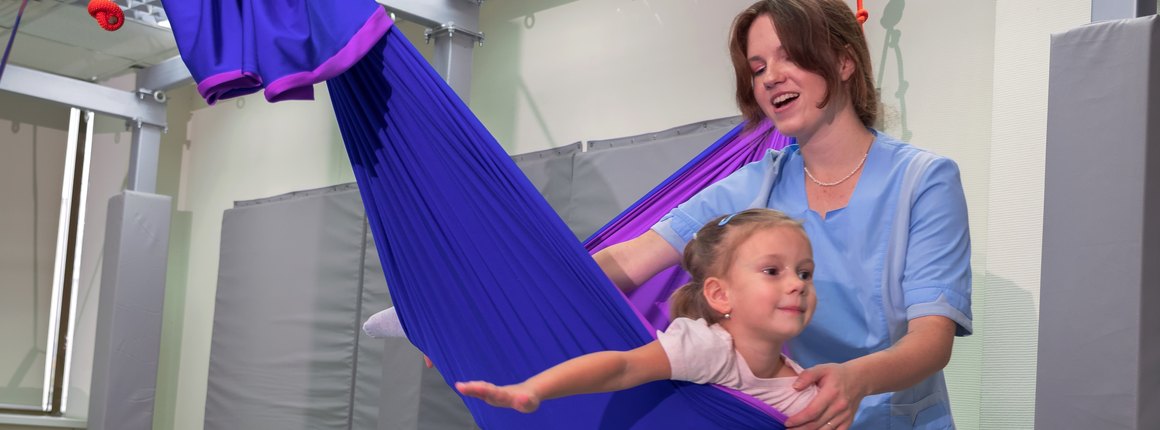
7 · Linear swinging. Need: a swing, a hammock, or a blanket held by two adults. How: back and forth, slow, steady, one to two minutes. Why it works: rhythmic vestibular input in a straight line is the most tolerated form and often calming. Suits: most children. Watch: stop at the first sign of discomfort; effects can be delayed.
8 · Rolling. Need: a floor or a gentle grassy slope. How: log rolls with arms overhead, or rolling down the slope. Why it works: vestibular input plus whole-body pressure. Suits: seeking and under-responsive. Watch: dizziness; short bouts.
9 · Balance activities. Need: a line of tape on the floor, a low beam, cushions as stepping stones. How: walk the line heel to toe, stand on one leg for ten seconds, cross the stones. Why it works: vestibular and proprioceptive systems working together; builds postural stability. Suits: all. Watch: a soft landing.
10 · Jumping. Need: a small trampoline with a handle, a mattress on the floor, or a jump rope. How: two minutes, then stop. Why it works: vestibular and proprioceptive input at once — the input seekers want most. Suits: seeking. Watch: one child at a time on a trampoline; a handlebar for under-fives; nothing to fall against.
11 · Rocking. Need: a rocking chair, a therapy ball, a hammock, or a lap. How: slow, rhythmic, child sets the pace. Why it works: self-paced vestibular input is calming for most nervous systems. Suits: most; especially as a wind-down.
Which tactile activities suit which children?
The system with the widest variation between children. Tactile over-responsivity is common, and this is the group where forcing participation does most harm.
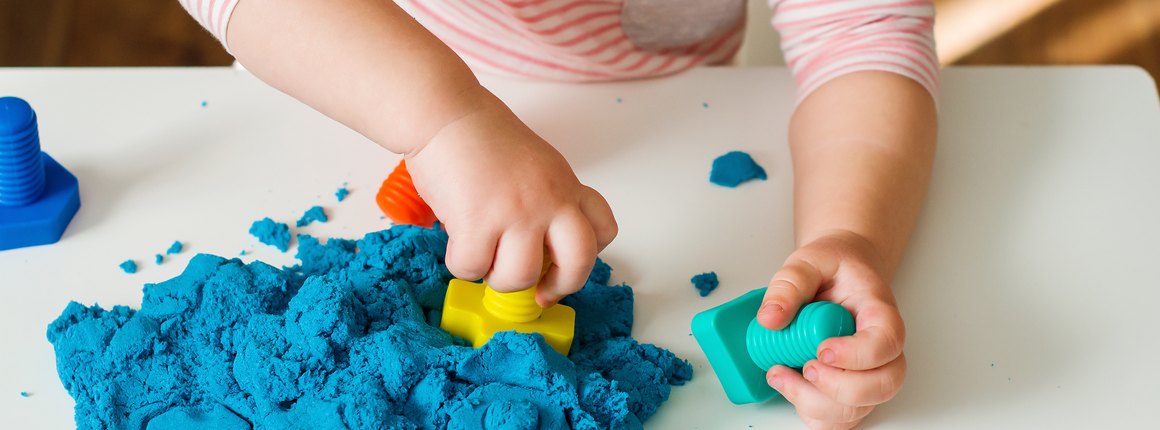
12 · Sensory bins. Need: a shallow tub with dry rice, beans, pasta, sand, or water, plus scoops and containers. How: the child chooses how much to touch. Why it works: the control is doing as much work as the material. Suits: seeking. Watch: for over-responsive children, offer tools so hands never have to touch the material; small items are a choking hazard under three or for any child who mouths.
13 · Messy play. Need: finger paint, shaving foam, mud, or cornstarch and water. How: start with a brush or stick, let hands follow if the child chooses. Why it works: tactile input the child controls. Suits: seeking and under-responsive. Watch: never force hands in; distress is the answer.
14 · Texture exploration. Need: a box of contrasting fabrics, brushes, sponges, sandpaper, fleece. How: handle, compare, sort by feel with eyes closed. Why it works: builds tactile discrimination without pressure to tolerate anything. Suits: all.
15 · Deep pressure. Need: cushions, a therapy ball, or arms. How: a bear hug the child asks for; being “squashed” under sofa cushions with head and face clear; a ball rolled firmly over back and legs. Why it works: deep pressure tactile input has the strongest evidence of any sensory strategy.1 Suits: many, and it must be child-directed. Watch: never wrap or restrain; head always clear; the child gets out whenever they want.
16 · Hair brushing, hand massage, lotion. Need: a firm brush, unscented lotion. How: firm, predictable strokes; tell the child before each one. Why it works: firm touch is organizing where light touch is alerting. Suits: many; not a child who finds it aversive. Watch: light, feathery touch is usually worse than none.
Which oral sensory activities help a child who chews?
Oral input regulates many children, and it's frequently why a child chews clothing, pencils, or their fingers.
17 · Chew tools. Need: a chewable necklace, chewy tube, or textured pencil topper — food-grade silicone. How: offered whenever the child chews clothing or objects. Why it works: oral input the child was seeking anyway, on something designed for it. Suits: children who chew. Watch: no cords during sleep or unsupervised; replace when worn. The buying guide covers what to look for.
18 · Straws and resistance drinking. Need: a narrow or long straw, or a sports bottle with a valve. How: water, with effort. Why it works: the resistance provides the oral input, not the drink. Suits: children who seek oral input. Watch: water, not juice — this is not a food activity.
19 · Blowing games. Need: bubbles, a cotton ball and a table, party blowers, pinwheels, a harmonica. How: blow the cotton ball across the table, race it, keep the pinwheel spinning. Why it works: oral-motor input plus breath control. Suits: all.
Which auditory activities help?
20 · Rhythm and music. Need: a drum, two spoons, or hands. How: clapping patterns the child copies, drumming to a beat, predictable songs. Why it works: rhythmic, predictable sound organizes; unpredictable sound alarms. Suits: seeking and under-responsive; for over-responsive children, keep it low and steady.
21 · Sound reduction. Need: ear defenders, earbuds, or a quiet room. How: used before a demanding environment, not after distress. Why it works: for an over-responsive child, reducing input is the activity. Suits: over-responsive. Watch: for the known-bad situations, not all day.
Which visual activities help?
22 · Visual search games. Need: I-spy, hidden-picture books, a tray of objects to sort by color. How: find, sort, spot the difference. Why it works: visual discrimination and attention without overload. Suits: all.
23 · Low-light calm. Need: a dim room, a flashlight, a lava lamp, or just the lights off. How: ten minutes before a transition or bedtime. Why it works: subtraction of visual input; a wind-down. Suits: over-responsive especially.
What are interoception activities?
Interoception is the sense of internal body state — hunger, thirst, needing the bathroom, heart rate, emotion. It's the most recently recognized of the eight systems and the least covered in activity lists, despite being where a great deal of daily difficulty sits.
24 · Noticing games. Need: nothing. How: “How does your stomach feel right now? Are your hands warm or cold? Is your heart going fast or slow?” Why it works: the vocabulary for internal sensations comes before the vocabulary for emotions. Suits: all.
25 · Before and after. Need: nothing. How: notice heart, breath, temperature, tiredness before an active game; notice again afterward. Why it works: connects sensation to cause — the foundation of catching an internal state in time to act on it. Suits: all.
Which sensory activities help kids with ADHD?
Many children with ADHD have sensory differences, and movement is the input that helps most of them — but the useful version is specific about when.
Before seated work, not during it. The best-supported pattern is a movement break or heavy work before a task that needs stillness, not a fidget or a cushion during it. A 2025 systematic review found moderate evidence that alternative seating — wobble cushions, therapy balls — did not improve attention, and the one controlled trial of fidget spinners in children with ADHD found attention got worse while the spinner was in use.15 Two minutes of wall pushes (#2), animal walks (#1), or carrying something heavy (#3) before homework does more than anything under the chair during it.
From the list above, the activities most families with ADHD report as useful: animal walks, wall pushes, carrying and pushing, climbing, jumping, and the balance activities — all proprioceptive or vestibular, all short, all repeatable. Oral input (chew tools, resistance straws) helps the child who chews pencils and collars.
What these aren’t. Sensory activities are not a treatment for ADHD, and no activity on this page improves attention in the way medication or behavioral therapy does. They help a child arrive at a task regulated enough to use whatever else is in place. The sensory tools evidence page covers what the research says about tools sold for ADHD; ADHD vs sensory processing differences covers how the two overlap and get confused.
Which sensory activities help autistic kids?
The same list, chosen by profile — which matters more in autism than anywhere, because autistic children are more likely to be over-responsive in one channel and seeking in another at the same time.
Deep pressure has the strongest evidence of any sensory strategy.1 For a child who seeks it, that’s #15 (deep pressure, child-directed), #3 (carrying), #2 (wall pushes), and #5 (squeezing putty) — before transitions, before bed, before anything hard. For a child who is over-responsive to touch, the same input has to be self-directed and predictable: a firm hug the child asks for, never a surprise squeeze.
For the over-responsive channel, subtract. Sound reduction (#21) and low-light calm (#23) are on this list because reducing input is an activity for an over-responsive child. Sensory bins (#12) and messy play (#13) are the ones to offer with tools rather than hands, and to drop if they cause distress.
Vestibular input needs the most care here. Spinning and fast movement can dysregulate for hours, and an autistic child who seeks spinning may not stop on their own. Linear swinging (#7) and rocking (#11) are the safer forms.
What the research supports and doesn’t. Ayres Sensory Integration — the manualized therapy delivered by a trained OT — meets evidence-based-practice criteria for autistic children aged 4 to 12 on individualized functional goals, and specifically does not improve behaviors like irritability.34 The activities on this page are not that therapy. They’re the low-risk, everyday version, and the finding that a parent trained in sensory strategies helps as much as anything1 is the reason to learn the profile rather than memorize the list.
How often should we do sensory activities?
Before, not after. The most common mistake is reaching for sensory activities once a child is already dysregulated. Movement before a sitting task, heavy work before a transition, and quiet before a busy environment all work considerably better than anything applied afterwards.
Short and frequent beats long and occasional. Two minutes of wall pushes several times a day does more than a twenty-minute session.
Build into what's already happening — carrying the shopping, pushing the trolley, walking on the wall on the way home. Activities that need a separate slot are the ones that stop happening.
Watch the pattern, not the session. Notice what precedes difficult moments and what helps afterwards. Two weeks of rough notes reveals more than any list can.
Expect it to change. What helps at four may not at seven, and tolerance varies with tiredness, illness, and how demanding the day has been.
Do sensory activities actually work?
Honest framing, because this matters.
These activities sit within what's described as sensory-based interventions, and the evidence is more mixed — in both directions — than either the enthusiasts or the skeptics usually allow.
Some of it is stronger than you might expect. A 2025 systematic review of 21 higher-level studies found strong strength of evidence for two things in particular: deep pressure tactile input, and training caregivers in how to use sensory strategies.1 The second is easy to skip past and is arguably the more useful finding — what helped was a parent knowing what to do and when.
Some of it is weaker. The same review found moderate evidence that alternative seating did not improve attention, and a lack of evidence either way on sensory environmental modifications.1 An earlier review of specific techniques found strong evidence for Qigong massage, moderate evidence for adapting a dental clinic environment, and only limited evidence for weighted vests.2
The finding that shapes this page. That 2025 review also found moderate evidence that targeting a variety of sensory systems works better than targeting only one.1 Which is the argument for working across the categories above rather than picking the one activity a child already likes.
What about full sensory integration therapy? Ayres Sensory Integration — the manualized, individualized approach delivered by a trained occupational therapist — is a different thing from the activities on this page. A systematic review judged it to meet the Council for Exceptional Children's criteria for an evidence-based practice for autistic children aged 4 to 12.3 A 2025 review of nine randomized trials that used the ASI fidelity measure found autistic children significantly improved on their individualized functional goals — and found no benefit for behaviors of concern such as irritability or resistance to change, which it explicitly does not recommend ASI for.4 That distinction is worth carrying into any conversation about it.
How to hold this: these are low-risk, enjoyable activities that many families find genuinely useful, and they're worth trying. They aren't established treatment, and a plan that isn't helping after a fair trial is information — change it rather than doing it harder.
When should I see an occupational therapist?
A list can't tell you which activities suit your child. An occupational therapist can assess the sensory profile and build a plan around it — which is the difference between guessing and knowing.
Worth seeking an assessment if:
- Sensory difficulties are affecting eating, sleeping, school, or family life
- You've tried strategies without a clear pattern of what helps
- Your child's responses are escalating rather than settling
- Difficulties are affecting friendships or participation
- You want to know which patterns your child actually shows

Popular next reads
- Anxiety and Sensory Processing: How to Tell Them Apart
- When Sensory Overload Is Actually Untreated ADHD: 5 Signs It’s Time for a Psychiatric Evaluation
- Take a free sensory & ADHD quiz
- Find a pediatric OT, PT or speech therapist near you
- Sensory Diets: What They Are and What the Evidence Shows
- Sensory Over-Responsivity or Anxiety? How to Tell
Frequently Asked Questions
Do these work for ADHD too?
Many children with ADHD have sensory differences, and movement and heavy work are frequently helpful for regulation and focus. They aren't a treatment for ADHD. ADHD vs sensory processing disorder.
How often should we do them?
Short and frequent works better than long and occasional — a couple of minutes several times a day, built into what's already happening. Before demanding activities rather than after difficulty.
Are sensory activities a treatment?
No. They're low-risk play that many families find useful, and they sit within sensory-based interventions, which have weaker evidence than the manualized Ayres Sensory Integration approach delivered by a trained occupational therapist.
Do weighted vests and blankets help?
Research has repeatedly found little or no effect on the outcomes usually claimed. Some children find them comforting, which is fine — but they shouldn't be relied on for regulation or used in place of approaches with better support.
My child hates all of these. What now?
That's worth taking seriously rather than working around. Widespread refusal often points to over-responsivity, and the useful direction is reducing sensory load rather than adding input. An occupational therapy assessment would clarify it.
Can sensory activities make things worse?
Yes, if they provide input a child is already over-responsive to, or too much of something powerful. Vestibular input in particular can dysregulate, and its effects can be delayed by hours. Follow the child's lead and stop at the first sign of distress.
What about food-based sensory activities?
This page deliberately doesn't include them. Using food as a regulation strategy complicates eating, and where restricted eating is already a concern it can make things harder. Chew tools and straws provide oral input without involving food.
How do I know which sensory activities my child needs?
Start with what they already gravitate toward — a child who constantly crashes into furniture is showing you something useful. Beyond that, an occupational therapy assessment identifies which systems your child over-responds to, under-responds to, or seeks, which is what determines whether an activity will help or overwhelm.
Also worth reading: if these activities help, the next step is usually the room they happen in — how to set up a sensory-friendly home.
Sources
- Piller A, McHugh Conlin J, Glennon TJ, Andelin L, Auld-Wright K, Teng K, Tarver T. Systematic review of sensory-based interventions for children and youth (2015–2024). Frontiers in Pediatrics. 2025;13. PMID 41321460. Checked August 25, 2026.
- Bodison SC, Parham LD. Specific sensory techniques and sensory environmental modifications for children and youth with sensory integration difficulties: a systematic review. American Journal of Occupational Therapy. 2018;72(1):7201190040. PMID 29280714. Checked August 25, 2026.
- Schoen SA, Lane SJ, Mailloux Z, May-Benson T, Parham LD, Smith Roley S, Schaaf RC. A systematic review of Ayres Sensory Integration intervention for children with autism. Autism Research. 2019;12(1):6–19. PMID 30548827. Checked August 25, 2026.
- Acuña C, Gallegos-Berrios S, Barfoot J, Meredith P, Hill J. Ayres Sensory Integration® with children ages 0 to 12: a systematic review of randomized controlled trials. American Journal of Occupational Therapy. 2025;79(3):7903205180. PMID 40193295. Checked August 25, 2026.
- Graziano PA, Garcia AM, Landis TD. To Fidget or Not to Fidget, That Is the Question: A Systematic Classroom Evaluation of Fidget Spinners Among Young Children With ADHD. Journal of Attention Disorders. 2020;24(1):163–171. doi:10.1177/1087054718770009
Medical disclaimer. This page is for general educational purposes and does not constitute medical advice, diagnosis, or treatment.