Autism and Sensory Disorders: Therapeutic Impact of Sensory Toys

July 9, 2024

Autism and Sensory Disorders: Therapeutic Impact of Sensory Toys

Autism and Sensory Disorders: Therapeutic Impact of Sensory Toys

Key Takeaways

  • Most individuals with Autism Spectrum Disorder have sensory processing difficulties and struggle to process stimuli, leading to either overstimulation or understimulation of their senses; sensory toys can offer soothing and calming effects that help regulate those needs.
  • Sensory balls and fidget toys like sensory putty or squishy stress balls provide tactile stimulation that can help a child focus, improve hand-eye coordination, and develop fine motor skills during lessons or activities.
  • Weighted blankets and therapy bands deliver deep pressure that many children find soothing, reducing anxiety, supporting self-regulation, and helping children with ADHD improve focus and concentration during tasks.
  • Chewing toys help satisfy a child's oral sensory needs, and research has found that chewing can modulate stress, improve attention span, and enhance learning.
  • Sensory swings and sensory tables offer therapeutic, hands-on experiences, with research showing that vestibular and tactile stimulation can reduce stress and anxiety in children with ADHD and Autism Spectrum Disorder.

As a parent or caregiver of a child with Autism Spectrum Disorder (ASD) or Attention Deficit Hyperactivity Disorder (ADHD), managing your child’s sensory needs can be challenging. Sensory toys can play a critical part in helping all children, especially those with diagnosed disorders, to regulate their senses and provide a comfortable and calming environment specific to their needs.

Most individuals with ASD have sensory processing difficulties and therefore struggle to process stimuli leading to either overstimulation or understimulation of their senses. One solution to address this is providing sensory toys that offer soothing and calming effects.

post9-img1

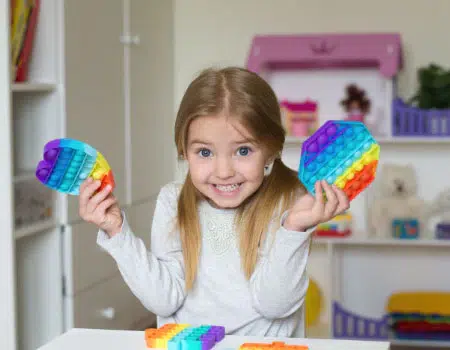
Sensory balls are an excellent way to provide tactile stimulation. The squishy texture can help an individual with ASD to focus, improve hand-eye coordination, and develop fine motor skills. Alternatively, using fidget toys, such as sensory putty or squishy stress balls, can provide the same benefits and maintain focus during lessons or activities.

post9-img2

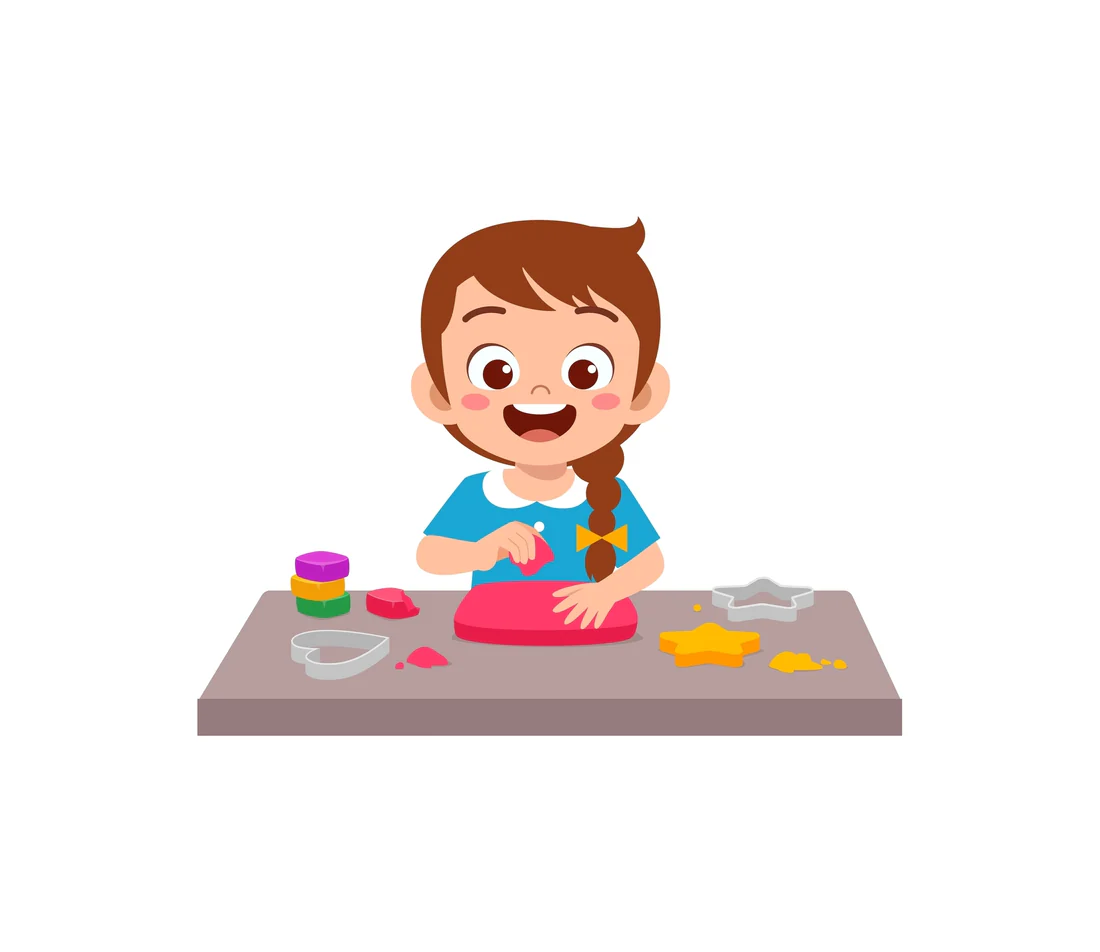
Another type of sensory toy is kinetic sandThis provides a unique and therapeutic experience to children with sensory needs. It provides endless possibilities for shaping and molding while keeping the mind calm and focused. Studies have found that Kinetic sand can improve a child’s sensory stimulation, fine motor skills, and creativity.

post9-img3

Weighted blankets provide the deep pressure sensation that the user finds soothing and calming. Weighted blankets can aid in reducing anxiety and enhancing relaxation. They are a great option for children with ADHD to improve focus and concentration level during tasks. The blankets come in various sizes, shapes, and fabrics to offer maximum comfort to suit the individual’s preference.

post9-img4

Another alternative is Therapy bands that apply pressure on different body parts, such as the arms, back, and legs. The bands provide the user with a feeling of stability and help in regulating sensory challenges. Therapy bands work well for children who struggle with self-regulation and have difficulty remaining still and focused.

post9-img5

Chewing toys are beneficial in addressing oral sensory preferences. Chewable toys provide the opportunity for children to satisfy their oral sensory needs, something that begins in infancy and promotes exploration of an environment. Research has found that chewing can modulate stress, improve attention span, and enhance learning.

Additionally, aromatherapy oils are a great way to stimulate the senses. The use of essential oils, such as lavender, jasmine, or vanilla, can calm and relax the body and mind. Aromatherapy has been proven to soothe irritability, reduce hyperactivity, and increase focus in individuals with sensory issues.

post9-img6

Another excellent sensory tool is the Tangle toy that offers a creative and calming outlet for motor needs. The Tangle toy can provide a variety of therapeutic benefits, such as reducing stress and improving fine motor coordination. It has been reported that the tangle toy can improve attention span and promote positive behavior.

post9-img7

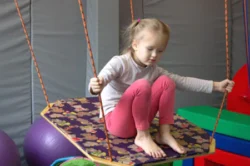
Sensory swings offer a safe space for children with sensory needs. Swinging provides therapeutic benefits, including vestibular stimulation and deep pressure sensation. Sensory swings offer a calming and relaxing environment, reducing anxiety and stress levels.

Mini water fountains can provide a calming sensory experience, specifically for those who find the sound of flowing water relaxing. The calming sound of a mini waterfall can soothe the senses and aid in focus.

post4-img1

Another popular sensory toy is the sensory table, which provides a hands-on sensory experience for children. A sensory table is typically filled with materials such as sand, water, or rice, providing a tactile experience that can be calming and soothing. Research has shown that tactile stimulation can have a positive effect on children with ADHD and Autism Spectrum Disorders by reducing stress and anxiety.

Frequently Asked Questions

Do sensory toys actually help children with autism?

Yes. Because most individuals with ASD have sensory processing difficulties and may become overstimulated or understimulated, sensory toys can provide soothing and calming effects that help children regulate their senses and create a comfortable environment suited to their needs.

What sensory toys are best for helping my child focus?

Sensory balls and fidget toys such as sensory putty or squishy stress balls provide tactile stimulation that can help a child maintain focus during lessons or activities. Aromatherapy oils like lavender, jasmine, or vanilla and tangle toys have also been reported to increase focus and attention span.

How do weighted blankets help kids with ADHD or sensory needs?

Weighted blankets provide a deep pressure sensation that many children find soothing and calming, which can help reduce anxiety and enhance relaxation. For children with ADHD, they can improve focus and concentration during tasks, and they come in various sizes, shapes, and fabrics to suit individual preferences.

Why does my child like to chew on things, and can chewing toys help?

Satisfying oral sensory needs begins in infancy and promotes exploration of the environment, and chewable toys give children a safe way to meet those needs. Research has found that chewing can modulate stress, improve attention span, and enhance learning.

What are the benefits of sensory swings and sensory tables?

Sensory swings offer a safe, calming space and provide therapeutic benefits including vestibular stimulation and deep pressure, helping reduce anxiety and stress. Sensory tables filled with materials like sand, water, or rice give a hands-on tactile experience, and research has shown tactile stimulation can reduce stress and anxiety in children with ADHD and Autism Spectrum Disorder.