Creating a safe place for your baby to sleep is one of the most important tasks you'll undertake as you prepare for their arrival. From the very first night home, you'll want peace of mind knowing your little one is resting in a secure environment. The centerpiece of this safe space is their bed—either a bassinet for the early months or a crib for the longer term.
The options can seem endless, from smart bassinets that rock your baby to sleep to convertible cribs that grow with your child for years. But at the core of this decision is one non-negotiable principle: safety. The American Academy of Pediatrics (AAP) provides clear guidelines for safe infant sleep, and choosing the right product is the first step in following them.
This guide will demystify the process of selecting a bassinet and a crib. We will explain the crucial safety standards, highlight key features to look for, and review the top-rated bassinets and cribs of 2025. Our goal is to empower you with the knowledge to create a safe, comfortable, and peaceful sleep space for your baby.
The Foundation of Safe Sleep: AAP Guidelines
Before diving into product specifics, it’s essential to understand the core principles of safe infant sleep as recommended by the AAP. These guidelines are designed to reduce the risk of Sudden Infant Death Syndrome (SIDS) and other sleep-related deaths.
- Alone on their Back in a Crib: Your baby should always be placed on their back to sleep, alone, in a crib, bassinet, or portable play yard that meets current safety standards.
- A Firm, Flat Surface: The sleep surface should be firm and flat, with only a fitted sheet. Avoid soft bedding, bumpers, blankets, pillows, and soft toys in the sleep area.
- Room-Sharing, Not Bed-Sharing: The AAP recommends that infants sleep in the parents' room, close to the parents' bed, but on a separate surface designed for infants, for at least the first six months.
A safe bassinet or crib is one that allows you to follow these rules perfectly.
Choosing a Bassinet: For the First Few Months
A bassinet is a small, cozy bed designed for newborns and young infants. Its smaller size makes it ideal for room-sharing, and many models are portable, allowing you to keep your baby close by throughout the day. Babies typically outgrow bassinets by 4-6 months, or once they can push up on their hands and knees or reach the weight limit (usually 15-20 pounds).
What to Look for in a Bassinet
- Safety Certification: Ensure the bassinet meets the latest safety standards set by the Consumer Product Safety Commission (CPSC).
- Sturdy Base: The bassinet should have a wide, stable base that prevents it from tipping over easily.
- Breathable Sides: Look for sides made of mesh or another breathable material to allow for air circulation and prevent suffocation risk if your baby turns their face against the side.
- Firm, Flat Mattress: The mattress should be thin, firm, and fit snugly within the bassinet frame with no gaps.
Best Bassinets of 2025: A Review
1. Best Overall Bassinet: HALO BassiNest Swivel Sleeper 3.0
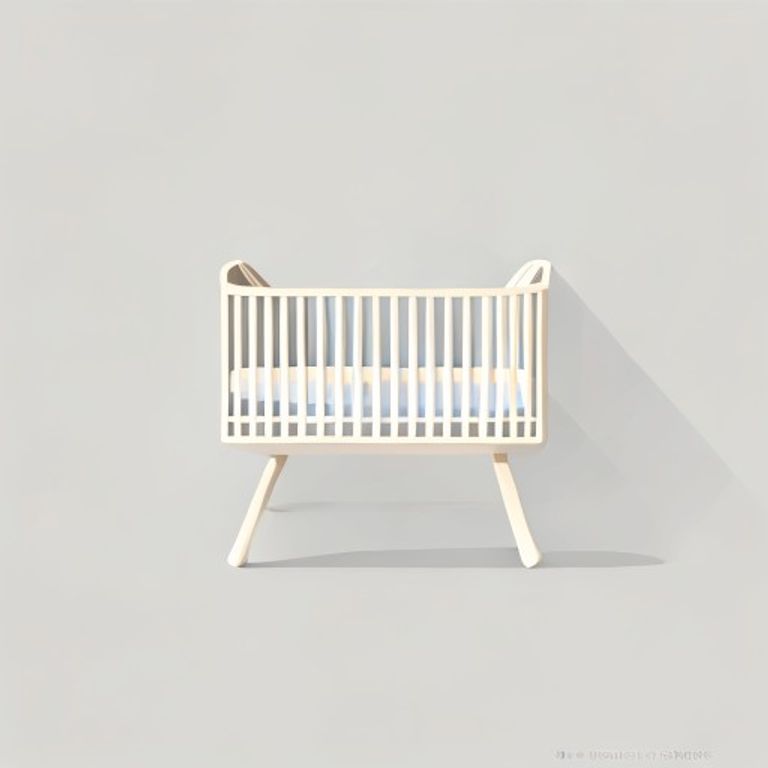
The HALO BassiNest is a parent-favorite for its unique design and focus on safe sleep. It features a 360-degree swivel, allowing you to bring your baby close for comfort and feeding without having to get out of bed. The patented lowering bedside wall makes it easy to tend to your baby from bed, especially for mothers recovering from a C-section.
- Pros:
- 360° swivel brings baby close for safe co-sleeping.
- Lowering wall makes it easy to access the baby.
- Stable, adjustable base fits next to most beds.
- Fully mesh sides for maximum breathability.
- Large footprint can be cumbersome in smaller rooms.
- The base is heavy, making it less portable around the house.
2. Best Smart Bassinet: Happiest Baby SNOO Smart Sleeper

The SNOO is the most high-tech bassinet on the market, designed by Dr. Harvey Karp. It uses a combination of gentle rocking and responsive white noise to soothe a fussy baby, often adding 1-2 hours of sleep per night. It also features a secure swaddle system that keeps the baby safely on their back.
- Pros:
- Automatically responds to crying with sound and motion to soothe the baby.
- Keeps baby safely on their back all night.
- Tracks sleep patterns through a smartphone app.
- Rental option makes it more accessible.
- Extremely expensive to purchase outright.
- Babies may need to be weaned off the motion before transitioning to a crib.
3. Best for Portability: Mika Micky Bedside Sleeper
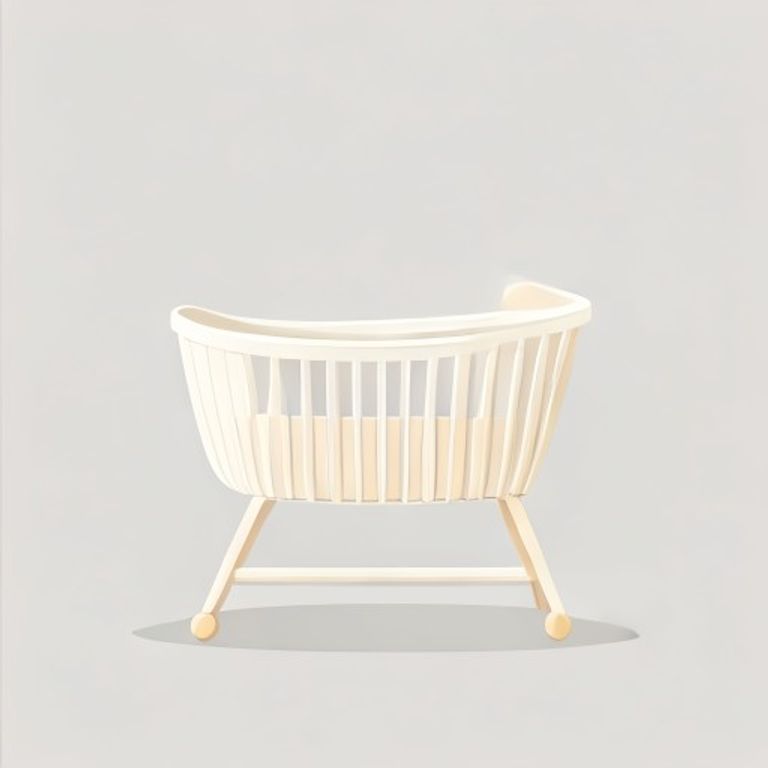
For parents who want a simple, secure, and portable option, the Mika Micky is a top contender. It’s designed to be used as a standalone bassinet or as a bedside sleeper that attaches securely to your bed. With seven height positions, it can be adjusted to match the height of your mattress, and its built-in wheels make it easy to move from room to room.
- Pros:
- Affordable and versatile.
- Easy to assemble and transport.
- Two large mesh sides for visibility and airflow.
- Attaches securely to the adult bed for safe co-sleeping.
- The mattress can feel very firm to some parents (though this is a safety feature).
Choosing a Crib: For Long-Term Use
A crib is the long-term sleep solution for your child. They will typically move into a crib after outgrowing their bassinet and can stay in it until they are ready for a toddler bed (usually around age 2-3, or when they can climb out).
What to Look for in a Crib
- Safety First: Only buy a new crib manufactured after 2011, when the CPSC implemented strict new safety standards. These standards banned drop-side cribs and mandated stronger mattress supports and hardware. Look for GREENGUARD Gold Certification, which means the crib has been tested for thousands of chemical emissions.
- Adjustable Mattress Height: Most cribs have at least three mattress height settings. You'll use the highest setting for a newborn to save your back and lower it as your child learns to sit and stand.
- Slat Spacing: The slats or bars must be no more than 2 3/8 inches apart to prevent a baby's head from getting trapped.
- Convertibility: Many modern cribs are "convertible," meaning they can transform from a crib to a toddler bed, a daybed, and even a full-size bed. These "4-in-1" cribs offer great long-term value, but often require purchasing separate conversion kits.
Best Cribs of 2025: A Review
1. Best Overall Crib: Babyletto Hudson 3-in-1 Convertible Crib
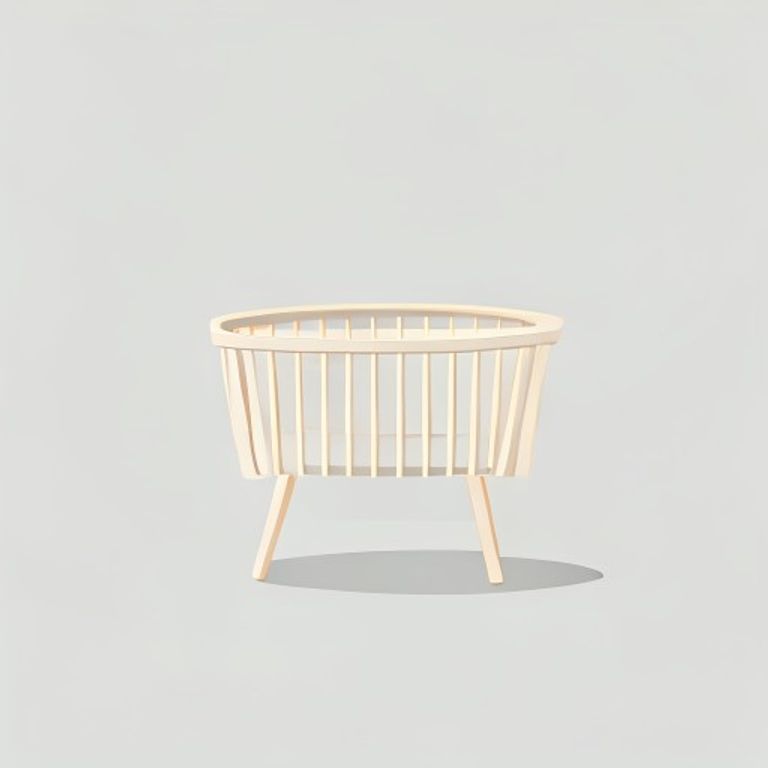
The Babyletto Hudson is beloved for its beautiful mid-century modern design, solid construction, and commitment to safety. It is GREENGUARD Gold Certified and made with sustainable New Zealand pine wood. It converts from a crib to a toddler bed and a daybed, and the toddler bed conversion kit is included, adding to its value.
- Pros:
- GREENGUARD Gold Certified for low chemical emissions.
- Stylish, high-quality design.
- Toddler bed conversion kit is included.
- Four adjustable mattress positions.
- Higher price point than some other models.
2. Best Value Crib: Graco Benton 4-in-1 Convertible Crib
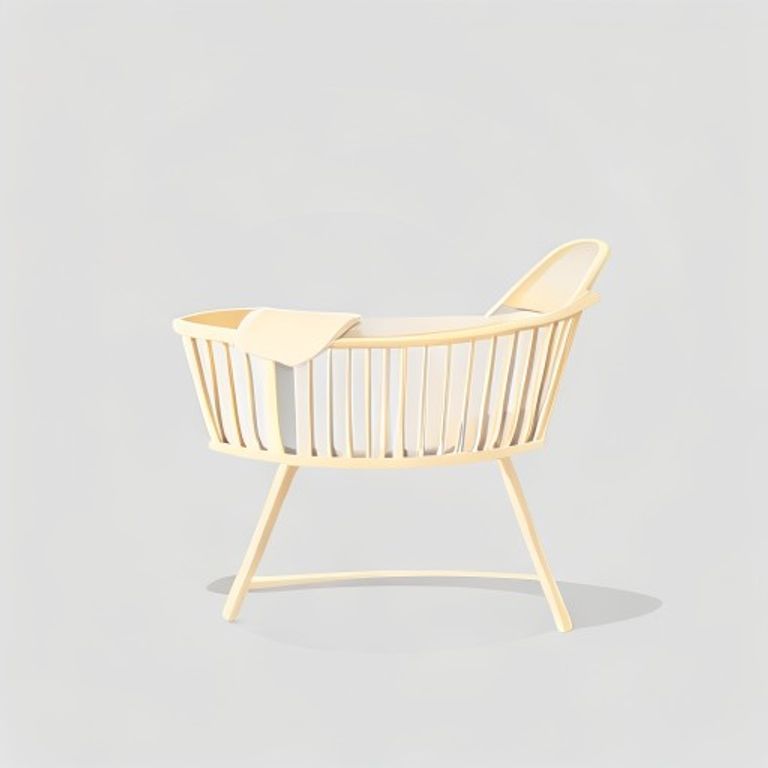
The Graco Benton proves that you don't need to spend a fortune for a safe and stylish crib. It’s a classic, sturdy crib that is JPMA Certified and meets all CPSC safety standards. It converts from a crib to a toddler bed, daybed, and full-size bed, offering incredible longevity for its price.
- Pros:
- Very affordable and excellent value.
- 4-in-1 convertibility grows with your child.
- Available in multiple non-toxic finishes to match any nursery decor.
- Conversion kits for the full-size bed are sold separately.
- Made from pine, which is a softer wood and may show dings more easily.
3. Best for Small Spaces: DaVinci Kalani 4-in-1 Mini Crib
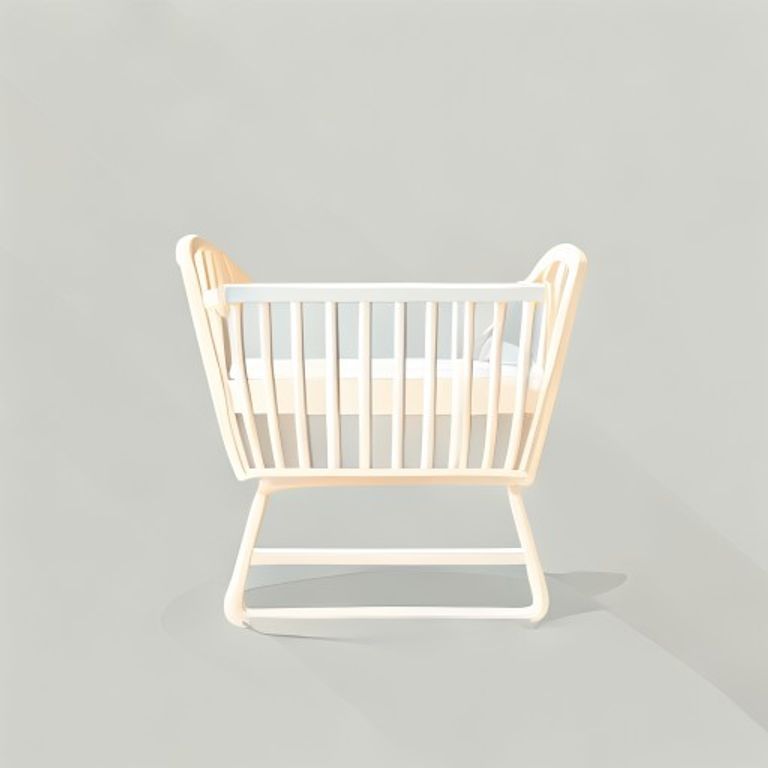
If you're tight on space, a mini crib is a brilliant solution. The DaVinci Kalani Mini Crib offers the style and safety of a full-size crib in a smaller footprint. It's GREENGUARD Gold Certified and converts to a mini toddler bed, daybed, and twin-size bed (with conversion kits sold separately).
- Pros:
- Space-saving design is perfect for apartments or room-sharing.
- GREENGUARD Gold Certified.
- Includes a 1-inch waterproof mattress pad.
- More affordable than its full-size counterpart.
- The baby will outgrow it faster than a full-size crib.
- Finding bedding for a mini crib can be slightly more challenging.
Finalizing Your Safe Sleep Solution
Your choice of a bassinet or crib is the first step toward building a safe sleep environment. Once you've made your selection, always assemble it according to the manufacturer's instructions and register the product to be notified of any recalls.
Remember, the safest sleep space is also the simplest. A firm mattress, a fitted sheet, and your baby—that's all that should be in the crib. By choosing a certified, well-made bed and following AAP guidelines, you can rest easier knowing your baby is sleeping safely and soundly.
Need more than an article?
Connect with a vetted pediatric OT, PT, or speech therapist near you.
Find a Therapist →Related DrParenting guides
- Tummy Time Toys That Make It Fun
- The Best Strollers for Every Budget and Lifestyle
- The Best High Chairs for Easy Mealtimes
- The Best Baby Monitors of 2025: High-Tech vs. Simple and Secure
- The Best Developmental Toys for Your Baby's First Year
- Are Weighted Blankets Safe for Infants? What Every Parent Needs to Know
- ← All DrParenting guides

Licensed Doctor of Physical Therapy and founder of DrSensory, with over a decade of clinical experience.
View full bio →