Blog
The Benefits of Sensory Toys for Calming and Sensory Seeking Behavior
July 12, 2024
The Benefits of Sensory Toys for Calming and Sensory Seeking Behavior
Key Takeaways
- Sensory toys are items that engage one or more of the five senses (touch, sight, hearing, smell, and taste) and are designed to provide sensory input that encourages exploration, discovery, and learning, while helping children play, relax, and regulate their emotions and behavior.
- Common examples of sensory toys include squishy toys, fidget spinners, weighted blankets, noise-canceling headphones, scented playdough, chewelry, and stress balls.
- Calming sensory toys can soothe children by redirecting their focus and offering comfort and security; weighted blankets provide deep pressure stimulation, which has been shown to reduce anxiety and promote relaxation.
- Children who crave sensory input may show sensory seeking behavior such as constantly touching objects, spinning or rocking, or seeking out loud noises, and sensory toys like spinning chairs, disc swings, squishy stress balls, or textured playdough can satisfy these cravings safely and appropriately.
- Every child is unique, so parents are encouraged to try different sensory toys to find which ones work best, and to consult a therapist or healthcare professional for personalized recommendations for their child's specific needs.
Sensory toys are becoming increasingly popular among parents, educators, and therapists. But what exactly are they? And why are they so beneficial?
In this blog, we will explore the world of sensory toys and how they can help children with calming and sensory seeking behavior.
What are Sensory Toys?
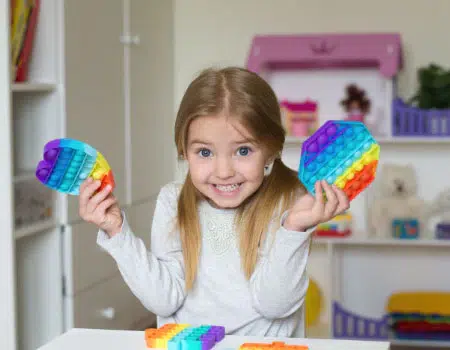
Sensory toys are any items or objects that engage one or more of the five senses. These include touch, sight, hearing, smell, and taste. They come in a variety of forms such as squishy toys, fidget spinners, weighted blankets, noise-canceling headphones, scented playdough, and more.
These toys are specifically designed to provide a variety of sensory input and encourage exploration, discovery and learning. They can be used for play, relaxation, or to help regulate emotions and behavior.
The Importance of Sensory Play
Sensory play is crucial for child development as it allows them to explore their surroundings, understand different sensations, and develop their senses. It also helps with the integration of sensory information, which is necessary for everyday tasks such as dressing, eating, and social interactions.
For children with sensory processing issues, engaging in sensory play can be challenging. This is where sensory toys come in handy. They provide a safe and controlled environment for children to experience different sensations without feeling overwhelmed.
Calming Sensory Toys
One of the main benefits of sensory toys is their ability to calm and soothe children. For some children, certain sensory inputs can be overwhelming or anxiety-inducing. Sensory toys can help to redirect their focus and provide a sense of comfort and security.
Weighted blankets, for example, are popular calming sensory toys that provide deep pressure stimulation, which has been shown to reduce anxiety and promote relaxation. Fidget spinners, chewelry (jewelry designed for chewing), and stress balls are also popular options for calming sensory toys.
Sensory Seeking Behavior
On the other hand, some children may crave sensory input and engage in what is known as sensory seeking behavior. This can manifest in behaviors such as constantly touching objects, spinning or rocking back and forth, or seeking out loud noises.
Sensory toys can help satisfy these sensory cravings in a safe and appropriate manner. For instance, a child who enjoys spinning may benefit from a spinning chair or disc swing. A child who craves touch sensations may find comfort in squishy stress balls or textured playdough.
Conclusion
Sensory toys have become an essential tool for parents, educators, and therapists to help children with calming and sensory seeking behavior. They provide a safe and controlled way for children to engage in sensory play, which is crucial for their development and well-being.
If your child struggles with sensory processing, consider incorporating sensory toys into their daily routine. It may make a world of difference in their ability to regulate emotions, focus, and engage in tasks successfully. So, don’t hesitate to try different sensory toys and see which ones work best for your child! Remember, every child is unique, and what works for one may not work for another. Keep exploring and experimenting until you find the perfect sensory toy that helps your child thrive. By providing opportunities for sensory play, we are setting our children up for success in all areas of life. So let’s embrace the world of sensory toys and watch our children flourish! So, go ahead and give your child the gift of sensory play today!
Additional Resources
- For more information on why sensory toys are important for child development, check out this article from Parents Magazine: The Benefits of Sensory Play
- Looking for sensory toy suggestions? Check out this comprehensive list from Understood: Sensory Toys and Activities
- To learn more about sensory processing disorder and how it affects children, visit the Sensory Processing Disorder Foundation: SPD Foundation
- For tips on creating a sensory-friendly environment at home or in the classroom, read this guide from Autism Parenting Magazine: Creating a Sensory-Friendly Environment at Home or School
- Lastly, don’t forget to consult with a therapist or healthcare professional for personalized recommendations and strategies for your child’s specific needs. Together, we can help children with sensory processing difficulties thrive and reach their full potential! So let’s continue to raise awareness and support for the importance of sensory play and sensory toys! Let’s create a world where all children can thrive and reach their full potential. Thank you for reading!
Frequently Asked Questions
What are sensory toys?
Sensory toys are any items or objects that engage one or more of the five senses (touch, sight, hearing, smell, and taste). They include things like squishy toys, fidget spinners, weighted blankets, noise-canceling headphones, and scented playdough, and are designed to provide sensory input and help children play, relax, or regulate their emotions and behavior.
How do sensory toys help calm an anxious child?
Calming sensory toys help redirect a child's focus and provide a sense of comfort and security when certain inputs feel overwhelming or anxiety-inducing. Weighted blankets, for example, provide deep pressure stimulation that has been shown to reduce anxiety and promote relaxation, and fidget spinners, chewelry, and stress balls are other popular calming options.
What are signs that my child is sensory seeking?
Some children crave sensory input and may show sensory seeking behavior such as constantly touching objects, spinning or rocking back and forth, or seeking out loud noises. Sensory toys can help satisfy these cravings in a safe and appropriate way.
Which sensory toys are good for a child who likes to spin or touch things?
A child who enjoys spinning may benefit from a spinning chair or disc swing, while a child who craves touch sensations may find comfort in squishy stress balls or textured playdough.
Why is sensory play important for child development?
Sensory play lets children explore their surroundings, understand different sensations, and develop their senses, and it supports the integration of sensory information needed for everyday tasks like dressing, eating, and social interactions. For children with sensory processing issues, sensory toys provide a safe and controlled environment to experience different sensations without feeling overwhelmed.

Quick Summary: Supporting adults with autism in the workplace requires targeted accommodations that address sensory sensitivities and communication differences. Effective

Quick Summary: Physical therapy is a highly effective, evidence-based treatment for individuals with Autism Spectrum Disorder (ASD). It focuses on

Quick Summary: An Individualized Education Program (IEP) provides specialized instruction and related services for students who need customized educational support

Quick Summary: There is no single treatment for Autism Spectrum Disorder (ASD), as every autistic individual has unique strengths and

Your child is constantly moving, crashing into furniture, or having meltdowns in response to seemingly minor things like a loud