
Adult therapy
Lymphedema
Expert-reviewed guidance on lymphedema — the exercise advice that changed, what treatment involves, and the signs that need urgent care.
- Expert Reviewed
- Evidence Based
- Patient Focused
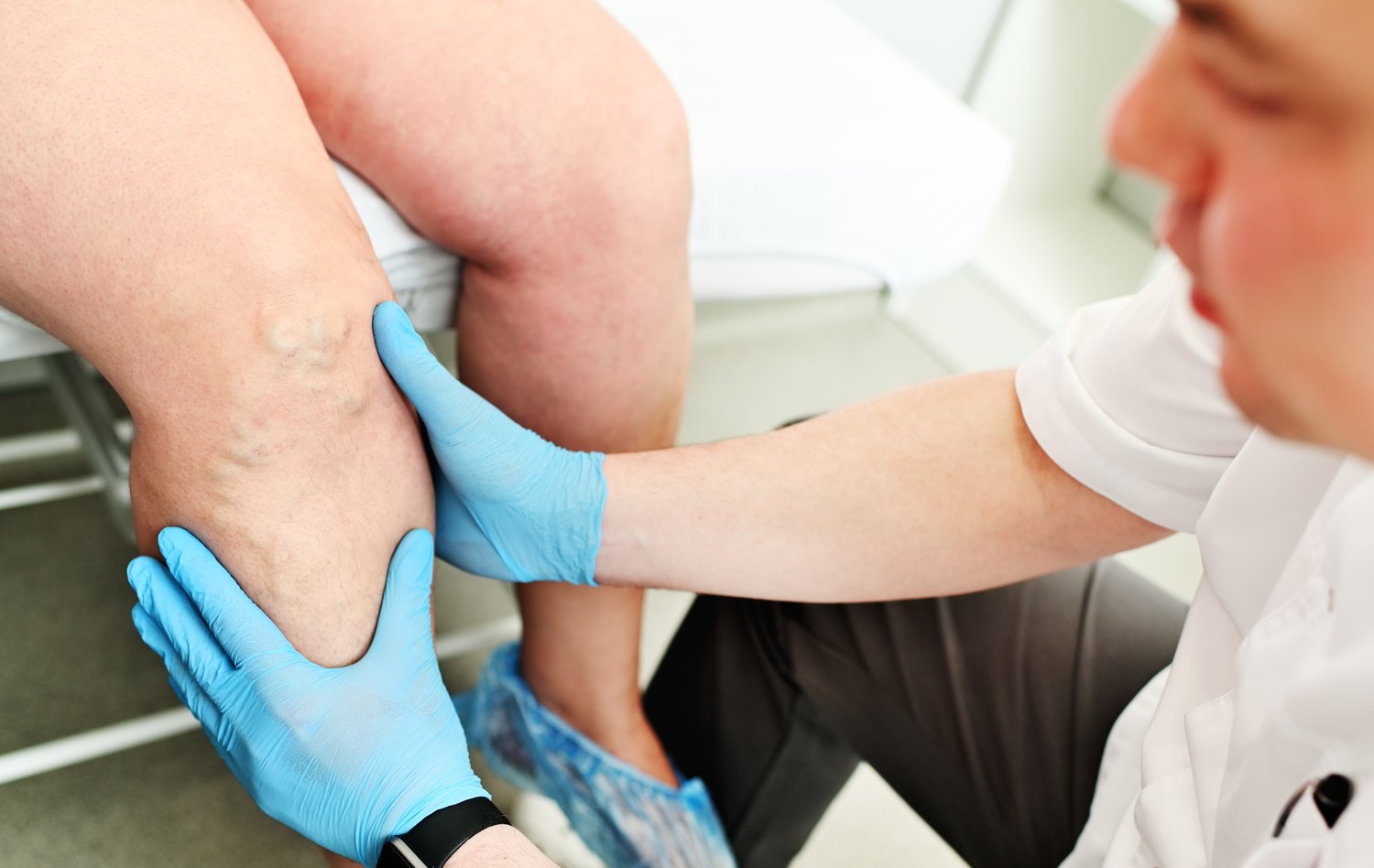
Lymphedema is persistent swelling caused by a lymphatic system that cannot move fluid as well as it should, most often in an arm or leg. It develops after lymph nodes are removed or damaged, commonly during cancer treatment, and it can also occur without an identifiable cause. The most important thing to know is that long-standing advice has changed: people at risk were told for years to protect the limb and avoid lifting, and trial evidence has since found that slowly progressive resistance training does not increase the risk and does not worsen existing lymphedema. It is a manageable condition rather than a curable one, and treatment centers on compression, skin care, movement, and catching flare-ups early.
When to seek urgent medical attention
Seek urgent medical attention if you have:
- A sudden increase in redness, warmth, or pain in the affected limb
- Fever, chills, or feeling generally unwell alongside limb changes
- A rash or streaking spreading up the limb
These can indicate cellulitis, a skin infection that develops readily in a limb with lymphedema and progresses quickly. It needs prompt antibiotic treatment.
Also seek urgent attention for sudden swelling in one leg with calf pain or tenderness, which can indicate a blood clot. Call 911 for sudden swelling with shortness of breath or chest pain. A wound that is not healing also needs assessment.
Contact your doctor for new swelling you have not had assessed, a sudden marked increase in swelling, or swelling that is not improving with your usual management.
What lymphedema is
Your lymphatic system runs alongside your blood vessels, collecting fluid from tissues and returning it to circulation. It also carries immune cells, which is why a limb with lymphedema is more prone to infection.
When lymph nodes or vessels are damaged or removed, that drainage is reduced. Fluid accumulates in the tissue, and over time the tissue itself changes — becoming firmer and more fibrous rather than simply swollen.
That progression is why early identification matters. Swelling caught early responds better than swelling that has been present for years and produced tissue change.
What causes lymphedema
After cancer treatment
The most common cause in the United States. Removing or irradiating lymph nodes reduces drainage capacity in that region. It follows breast cancer surgery with axillary node removal, melanoma, gynecologic cancers, prostate cancer, and head and neck cancer.
It can appear months or years after treatment, not only immediately. Many people are never told that, and a swelling that begins two years later is frequently not connected to the surgery that caused it.
Primary lymphedema
Present from birth or developing later without an identifiable trigger, from a lymphatic system that did not form typically. It can appear in infancy, at puberty, or in adulthood. It is less common, and frequently diagnosed late because nobody is looking for it.
Other causes
Trauma or surgery affecting lymphatic vessels; chronic venous insufficiency, which can produce a combined picture; obesity, which is an independent risk factor; recurrent infection; and filariasis, the most common cause worldwide though rare in the United States.
Early signs, before visible swelling
Early lymphedema is easier to manage and easier to miss. What people notice first, often before anything looks different:
- A feeling of heaviness or fullness in the limb
- Clothing, jewelry, or a watch feeling tighter on one side
- Aching or discomfort without an obvious cause
- Skin that feels different — tighter, or less pliable
- Reduced flexibility at the wrist, hand, ankle, or foot
- A limb that feels tired more quickly than the other
Then, as it progresses: visible swelling that may be worse at the end of the day, a pitting indentation when you press the skin, and later swelling that no longer pits because the tissue has changed.
How lymphedema is diagnosed
Usually clinically, from history and examination, particularly where there is a known cause such as node removal.
Measurement of limb circumference at set points is compared against the other side and against previous measurements. Volume measurement and bioimpedance are also used, and some cancer centers screen at intervals after surgery.
Imaging such as lymphoscintigraphy is used where the diagnosis is unclear or a different cause needs ruling out.
Lymphedema is usually staged from a stage where swelling is not yet visible, through pitting swelling that reduces with elevation, to swelling with tissue change that does not. Ask which stage you are at. It affects what treatment aims for and what is realistic.
What it is not
Lymphedema or lipedema?
Frequently confused, and treated differently.
| Lymphedema | Lipedema | |
|---|---|---|
| Distribution | Usually one limb, or asymmetric | Usually both legs, symmetric |
| Feet or hands | Involved — swelling includes them | Spared — a cuff effect at the ankle |
| Tenderness | Not typically painful to touch | Frequently tender, bruises easily |
| Pitting | Yes, in earlier stages | Not typically |
| Onset | After node damage, or primary | Often at puberty, pregnancy, or menopause |
Both can occur together — a person with long-standing lipedema can develop secondary lymphedema. Lipedema is under-recognized, frequently misattributed to weight, and it warrants its own assessment.
Lymphedema or a blood clot?
Sudden swelling in one leg, particularly with calf pain, tenderness, warmth, or redness, needs urgent assessment. Lymphedema develops gradually. A clot does not. Anything sudden should be treated as a clot until proven otherwise.
What changed about exercise
Can I lift weights with lymphedema?
For years the advice was no. People with lymphedema, and people at risk of it after node removal, were told to protect the limb — avoid lifting, avoid carrying, avoid resistance training, avoid anything that might strain it. That guidance has been substantially revised.
What the trials found
In a randomized trial of breast-cancer survivors who already had lymphedema, the authors concluded that “slowly progressive weight lifting had no significant effect on limb swelling and resulted in a decreased incidence of exacerbations of lymphedema, reduced symptoms, and increased strength.”1
In a second randomized trial, in breast cancer survivors at risk of lymphedema following axillary node dissection but without swelling, the authors concluded that a program of slowly progressive weight lifting compared with no exercise “did not result in increased incidence of lymphedema.”2
What still holds
The evidence supports progressive resistance training. It does not support ignoring the limb.
Progression should be gradual and supervised, particularly at first, and particularly for someone who has not been exercising. Compression garments are typically worn during exercise where they have been prescribed. Report new swelling, heaviness, or tightness promptly rather than working through it.
And the fear of using the limb has costs of its own — weakness, reduced function, and avoidance of activities that matter. That is the argument for exercise, not only its safety.
What treatment involves
The standard approach is usually described as complete decongestive therapy, with four components.
Compression
The foundation of management. Bandaging during an intensive reduction phase, then compression garments for maintenance. Garments need fitting properly and replacing periodically, because compression degrades with wear — a garment that has lost its compression is doing very little. Wear as prescribed. For most people that means during the day and during exercise; overnight use varies and should follow what your therapist advised.
Manual lymphatic drainage
A specific, light-pressure technique performed by a trained therapist to encourage fluid movement toward areas where drainage is intact. It is not a massage, and firm massage is not a substitute. It is frequently taught as a self-technique for use between appointments.
Skin care
More important than it sounds. A limb with lymphedema has reduced immune surveillance, and cellulitis is a genuine and recurrent risk.
Daily: keep skin clean and moisturized, check for breaks, cuts and cracks, treat any break promptly, avoid cuts from shaving, gardening and pets where you can, use insect repellent, and protect from sunburn.
Report any redness, warmth, or fever immediately. Recurrent cellulitis worsens lymphedema, which increases infection risk, which worsens lymphedema.
Exercise
Movement helps lymphatic drainage — muscle contraction is part of what moves lymph. What is used: progressive resistance training, per the section above; aerobic exercise; specific decongestive exercises taught by a therapist; and simply moving the limb regularly. Compression is typically worn during exercise where prescribed.
Living with it day to day
Elevate where practical, though elevation alone does not manage lymphedema. Weight management matters, because obesity is an independent risk factor and affects severity. Skin checks daily, as above.
Watch for early flare signs — heaviness, tightness, a garment feeling different. Acting early is easier than reversing a flare. Measure or monitor as your therapist advises, so change is caught rather than noticed.
And the psychological side is real. A visible, permanent change to a limb after cancer treatment carries weight, and it is frequently not asked about.
Flying, heat, and other questions
Several long-standing precautions have weaker evidence than their reputation suggests, and the honest answer is that some are genuinely unsettled.
Flying. Compression during flights is commonly advised, and the evidence that flying triggers lymphedema is weaker than the strength of the advice suggests. Wearing compression on a flight is low-cost and reasonable; the fear attached to flying is disproportionate.
Heat. Saunas, hot tubs, and very hot baths are commonly discouraged. The evidence is limited. Many people find heat increases swelling, and if you do, that is worth acting on.
Blood pressure cuffs and injections on the affected side. Long advised against. Recent evidence has not consistently supported the risk, and guidance varies between centers.
Finding a lymphedema therapist
Look for a Certified Lymphedema Therapist. It is a specific certification held by physical therapists, occupational therapists, and some nurses, and it requires substantial dedicated training. Not every therapist treats lymphedema, and the technique matters.
Questions worth asking: are you a certified lymphedema therapist? Do you fit and prescribe compression garments? Will you teach me self-management? How often will I need to be seen?
Ask your oncology team for a referral, and ask early rather than waiting for swelling to become established.
Find a physical therapist · Find an occupational therapist
Goals worth setting
Goals that work
- Wear my compression sleeve every day without it bothering me
- Carry shopping in that arm again
- Get through a workday without the heaviness building
- Return to strength training
- Go a year without cellulitis
- Wear my own clothes without the swelling showing
Goals that do not
- Reduce limb volume
- Improve lymphatic drainage
- Increase compliance
Related
Frequently Asked Questions
What is lymphedema?
Persistent swelling caused by a lymphatic system that cannot move fluid as well as it should, usually in an arm or leg. It most often follows removal or damage to lymph nodes, commonly during cancer treatment.
Does lymphedema go away?
It is a chronic condition rather than a curable one, and it responds well to treatment. Swelling caught early responds better than swelling that has been present for years and produced tissue change.
Is it safe to fly with lymphedema?
Compression during flights is commonly advised and is low-cost and reasonable. The evidence that flying triggers lymphedema is weaker than the strength of the advice suggests, and the fear attached to it is disproportionate.
Can I lift weights with lymphedema?
Yes, with gradual progression. The long-standing advice to avoid lifting has been substantially revised. In a randomized trial of breast-cancer survivors with lymphedema, slowly progressive weight lifting had no significant effect on limb swelling and resulted in a decreased incidence of exacerbations, reduced symptoms and increased strength. Progress gradually, wear compression if it has been prescribed, and report new swelling rather than working through it.
What is complete decongestive therapy?
The standard approach, combining compression, manual lymphatic drainage, skin care and exercise. It usually involves an intensive reduction phase followed by long-term maintenance.
Do I have to wear compression forever?
For most people, yes, as ongoing management. Garments need replacing periodically because compression degrades with wear — a garment that has lost its compression is doing very little.
Why does my limb get infected so easily?
The lymphatic system carries immune cells, so reduced drainage means reduced immune surveillance in that limb. Cellulitis is a real and recurrent risk, which is why daily skin care and prompt treatment of any break matter.
How do I know if my arm swelling is lymphedema?
Early signs often come before visible swelling: heaviness, clothing or jewelry feeling tighter on one side, aching, or reduced flexibility. If you have had lymph nodes removed and something feels different about that limb, have it assessed.
Can lymphedema appear years after cancer treatment?
Yes. It can develop months or years afterward, and many people are never told that. A swelling that begins two years after surgery is frequently not connected to it.
What is the difference between lymphedema and lipedema?
Lymphedema is usually asymmetric and involves the hands or feet. Lipedema is usually symmetric, spares the feet with a cuff effect at the ankle, and is frequently tender to touch. Both can occur together.
Sources
- Schmitz KH, Ahmed RL, Troxel A, Cheville A, Smith R, Lewis-Grant L, Bryan CJ, Williams-Smith CT, Greene QP. Weight Lifting in Women with Breast-Cancer-Related Lymphedema. New England Journal of Medicine. 2009;361(7):664–673. doi:10.1056/NEJMoa0810118 (PMID 19675330)
- Schmitz KH, Ahmed RL, Troxel AB, Cheville A, Lewis-Grant L, Smith R, Bryan CJ, Williams-Smith CT, Chittams J. Weight Lifting for Women at Risk for Breast Cancer-Related Lymphedema: A Randomized Trial. JAMA. 2010;304(24):2699–2705. doi:10.1001/jama.2010.1837 (PMID 21148134)
Disclaimer. For general educational purposes; not medical advice, diagnosis, or treatment. Seek urgent medical attention for redness, warmth, fever, or a rash spreading up the limb — these can indicate cellulitis.