
Adult therapy
Sports Therapy for Adults
Expert-reviewed guidance on sports injuries, what returning to sport safely actually requires, and how to find a therapist who tests for it.
- Expert Reviewed
- Evidence Based
- Patient Focused
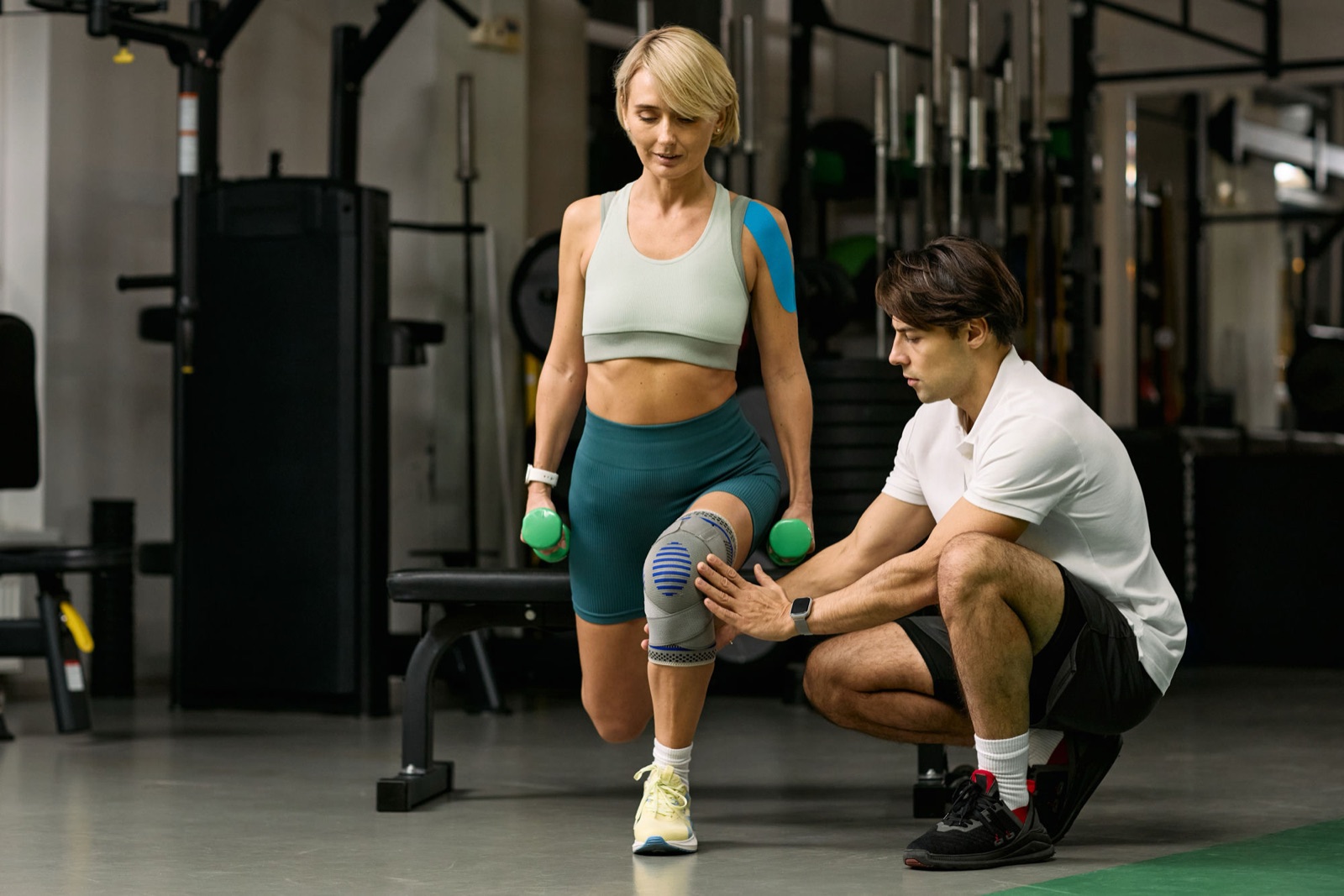
Sports rehabilitation is orthopedic therapy with a higher finish line. Returning to work asks less of a joint than returning to a sport that requires sprinting, landing, and changing direction under fatigue — so rehabilitation that stops when pain stops leaves an athlete a long way short of ready. The most consequential decision in sports rehabilitation is when to go back, and it should be answered by testing rather than by a date.
Injuries and topics
ACL reconstruction
Recovery and return to sport after ACL surgery — criteria, not the calendar.
Learn more →Sports therapy overview
What sports rehabilitation involves.
Learn more →Tendinopathy
The most common overuse injury in sport, and why loading beats rest.
Learn more →Ankle sprain and chronic instability
The injury most likely to recur, largely because it is under-rehabilitated.
Learn more →Running injuries
Load, not form, is usually the cause.
Learn more →The shoulder in overhead sport
Throwing, swimming, and racket sports.
Learn more →Why “pain-free” isn’t the finish line
Pain typically resolves well before capacity returns. An athlete who is comfortable walking, jogging, and training in a straight line may still be nowhere near able to absorb the forces of a cutting movement or a bad landing — and those are the moments injuries happen.
- Strength compared side to side, measured rather than estimated.
- Hop and landing tests, which reveal what strength testing alone does not.
- Movement quality under fatigue, because injuries cluster late in a session and late in a game.
- Sport-specific work completed at full intensity before returning to competition, not after.
- Psychological readiness, which predicts return to previous level as strongly as most physical measures.
Load is usually the cause
Most overuse injuries in sport trace back to doing too much too quickly rather than to a flaw in technique or in the body. Increases in volume or intensity that outpace what the tissue has adapted to are the common thread across running injuries, tendinopathy, and stress-related bone injury.
The practical consequence is that rest alone rarely fixes them. Rest lowers the demand, but it also lowers capacity — so the same training that caused the problem causes it again on return. Progressive loading raises capacity instead.
Adults returning to sport later
When to get medical help
Finding a therapist
Ask whether the clinic uses objective return-to-sport testing and whether they have worked with your sport. Not every clinic does either.
Medical disclaimer. This page is for general educational purposes and does not constitute medical advice, diagnosis, or treatment. Always consult a qualified healthcare provider about your individual situation.