
Children
Dental and Oral Development in Children
- Expert Reviewed
- Evidence Based
- Patient Focused
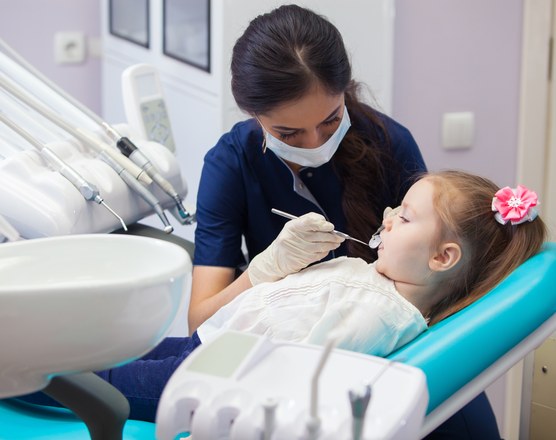
A child’s mouth does more than hold teeth. The same structures are involved in breathing, feeding, speech, and sleep, which is why oral development connects to areas parents rarely associate with a dentist. One thread runs through much of this section: how a child breathes. Persistent mouth breathing changes the resting position of the tongue and jaw, and research in school-age children has found impaired nasal breathing, mouth breathing, restricted tongue mobility, and enlarged tonsils are all significant risk factors for sleep-time teeth grinding. Dental issues in children are also frequently first noticed by a parent rather than a dentist — which makes knowing what to look for genuinely useful.
Topics covered here
Teeth and enamel
Jaw and bite
Oral function and airway
Habits and early care
The airway thread
Worth understanding, because it connects things that look unrelated.
The mouth, nose, tongue, and jaw work together. When one part isn’t functioning as expected — a blocked nose, enlarged tonsils, restricted tongue movement — the others adapt.
What that adaptation can look like: persistent mouth breathing · a tongue resting low rather than against the palate · changes in how the jaw and palate develop over time · disrupted sleep · daytime tiredness and difficulty concentrating
And the research connection: a study of school-age children found that impaired nasal breathing, mouth breathing while awake or asleep, restricted tongue mobility, and enlarged tonsils were each significant risk factors for probable sleep bruxism — with a combined effect where more than one was present.
If your child grinds their teeth, snores, breathes through their mouth, or sleeps restlessly, mention all of it at the same appointment. Individually those might each be dismissed. Together they’re a pattern worth investigating.
What parents notice first
Most dental concerns in children are noticed at home before a dental visit.
Worth mentioning at your next appointment
- white, brown, or gray patches on teeth
- a tooth that has changed color
- sensitivity to cold or during brushing
- avoiding brushing a particular area
- grinding sounds at night
- snoring or mouth breathing
- difficulty with certain textures at meals
- jaw clicking or pain
Contact a dentist promptly for
- Any injury to the mouth or teeth, even where the tooth looks fine
- A single tooth turning gray, dark, or pink
- Pain that wakes a child at night
- Facial or gum swelling
- Fever alongside dental pain
When to start dental care
First tooth or first birthday, whichever comes first, is the usual guidance for a first dental visit. Earlier than most parents expect, and the purpose is as much about prevention and habit-building as about treatment.
Sensory differences and dental care
Brushing and dental visits are genuinely harder for some children, and it isn’t behavior.
Toothpaste texture and flavor, the sensation of a brush, bright lights, unfamiliar sounds, and lying back in a chair are all significant sensory demands. A child who resists may be finding it intolerable rather than being uncooperative.
Worth telling the dental practice in advance — many will adjust the appointment, and some have specific experience with it.
Related topics
Where the mouth connects to the rest of development.
Speech and language
The structures that shape sounds, and what actually affects speech.
Learn more →Sensory processing
Brushing and dental visits are sensory demands before they are anything else.
Learn more →Sensory over-responsivity
Why a child may find toothpaste or a toothbrush genuinely intolerable.
Learn more →Find a therapist
Feeding, oral-motor and sensory support near you.
Learn more →Frequently Asked Questions
When should my child first see a dentist?
Why does my child grind their teeth at night?
Does mouth breathing matter?
My child has white spots on their teeth. What are they?
My child won’t let me brush their teeth.
Are dental X-rays safe for children?
Disclaimer. For general educational purposes; not medical advice, diagnosis, or treatment. Contact a dentist promptly for any dental injury, or for pain, swelling, or a tooth that changes color.