
Adult therapy
Pelvic Health and Pelvic Floor Therapy
Guidance on pelvic health conditions, what an appointment actually involves, and how to find the right pelvic floor physical therapist.
- Expert Reviewed
- Evidence Based
- Patient Focused
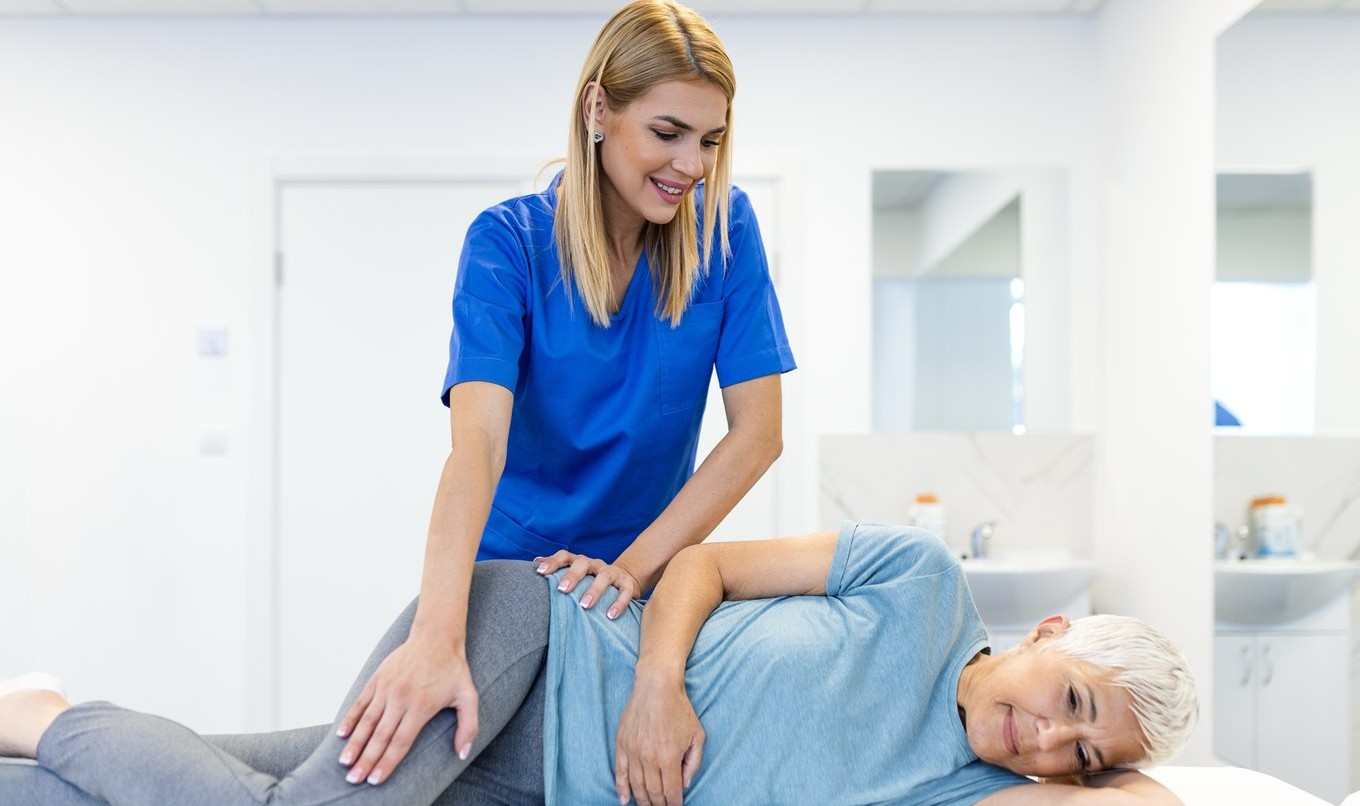
Pelvic floor physical therapy treats problems with the muscles that support the bladder, bowel, and pelvic organs: leaking, urgency, prolapse, pelvic pain, pain with sex, and recovery after childbirth or pelvic surgery. The single most useful thing to know is that these problems are common and are not something to accept — leaking after childbirth is widely reported, and it is treatable at any point afterward, including years later. The second is that Kegels are not the universal answer. Some pelvic floor problems are caused by muscles that are too tight rather than too weak, and in those cases squeezing more makes symptoms worse.
When to see a doctor first
See a doctor rather than starting therapy if you have:
- Blood in your urine or stool
- Unexplained pelvic pain that is new, severe, or worsening
- Fever with pelvic pain
- A lump or bulge you have not had assessed
- Sudden inability to pass urine
- New numbness in the saddle area, or loss of bladder or bowel control — this is urgent
- Unexplained weight loss
- Pain during pregnancy that concerns you
These need medical assessment before physical therapy.
What the pelvic floor does
The pelvic floor is a layer of muscle slung across the base of the pelvis. It supports the bladder, bowel and pelvic organs, controls the openings, contributes to sexual function, and works with the diaphragm and abdominal muscles to manage pressure inside the abdomen.
It has to do two opposite things well — hold, and let go. Most problems are a failure of one or the other rather than simple weakness.
What pelvic floor therapy treats
Bladder — leaking with cough, sneeze, laugh, or exercise; urgency; frequency; difficulty starting or emptying.
Bowel — leaking; urgency; constipation and difficulty emptying.
Prolapse — heaviness, dragging, or a bulge, which therapy can improve substantially.
Pain — pelvic pain, pain with sex, pain with tampon use, coccyx pain, and pain after surgery.
Pregnancy and postpartum — pelvic girdle pain during pregnancy, recovery after vaginal or cesarean birth, return to exercise, and scar management.
After pelvic or abdominal surgery, including prostate surgery and hysterectomy.
Common but not normal
This is the sentence most people need: leaking after childbirth is extremely common, and it is not something you have to live with.
The same applies to pain with sex, needing to know where every bathroom is, avoiding running or trampolines, and heaviness by the end of the day.
Many people never mention any of it. It gets normalized in conversation between friends, dismissed in short appointments, and quietly worked around for decades.
Treatment works, and it works years afterward. You have not missed a window.
What an appointment actually involves
Uncertainty about this is the main reason people do not go, so it is worth describing plainly.
A long conversation first. History, symptoms, what makes them better and worse, and what you want to get back to. This is most of a first appointment.
An external assessment of your back, hips, abdomen, breathing, and how you move.
Breathing and pressure management, because the pelvic floor works with the diaphragm and abdominal muscles rather than in isolation.
Is there an internal exam?
Sometimes, and only with your consent. An internal assessment is the most accurate way to evaluate pelvic floor muscle function, and many therapists will offer one. It is done with a gloved finger, with you draped, and it is not a speculum examination.
Can I decline it?
Yes, always, and at any point. A good therapist will offer alternatives and will not make it a condition of treatment. You can also ask to postpone it to a later appointment once you feel more comfortable.
Say what you need. Many people have reasons — past trauma, cultural preference, or simple discomfort — and they do not need explaining.
Why Kegels are not always the answer
This is the most consequential misconception in the field.
Pelvic floor symptoms can come from muscles that are too weak, muscles that are too tight, or poor coordination between them.
If the muscles are already overactive, adding more squeezing typically makes symptoms worse. That is common in pelvic pain, pain with sex, and some urgency and difficulty emptying.
And a pelvic floor contraction is harder to perform correctly than it sounds. Bearing down instead of lifting is a common error, and it is not something you can reliably check on your own.
After birth
The postpartum body has done something significant and is frequently given a six-week appointment and no follow-up.
What pelvic floor therapy addresses postpartum: leaking; heaviness or prolapse symptoms; pain with sex; scar management after tearing, episiotomy, or cesarean; abdominal separation; return to running and impact exercise; and back and pelvic girdle pain.
What is diastasis recti?
Diastasis recti is separation of the abdominal muscles along the midline, which happens in most pregnancies and resolves partially on its own.
What matters is not the width of the gap but how well the tissue between generates tension, and how the abdomen manages pressure. Many people are told to measure fingers and worry about the number. It responds to graded loading and coordination work, not to avoiding all abdominal activity.
When can I start exercising again?
Sooner than "wait six weeks and go back to normal", and more gradually than most people are told.
Walking and gentle movement can usually start early, guided by how you feel and by any surgical instructions. Return to running and impact exercise benefits from assessment — the general position is that returning to impact needs adequate strength and load tolerance rather than only elapsed time.
Symptoms are the guide. Leaking, heaviness, or pain during or after exercise means the load is too much for now — not that you should stop exercising.
Pelvic pain
Persistent pelvic pain frequently involves the same processes as persistent pain elsewhere: the nervous system becomes more sensitive, and pain continues without ongoing tissue damage. That does not mean it is imagined. → Persistent pain · Pacing and activity management
It also frequently involves overactive rather than weak muscles, which is why the Kegel point matters most here.
Pain with sex is treatable and is frequently not raised. It is a legitimate reason to seek care.
Pelvic health is not only a women's issue
Men have pelvic floors and pelvic floor problems, and the field is heavily framed around women.
Common in men: urinary symptoms after prostate surgery, pelvic pain, and bowel symptoms. Pelvic floor therapy is well established after prostate surgery, and it is under-referred.
And it applies across the lifespan, not only after childbirth. → Falls and balance
How to find a pelvic floor therapist
Look for a physical therapist with specific pelvic health training. It is a distinct specialty within physical therapy, not something every PT does.
Questions worth asking: what training do you have in pelvic health? · do you do internal assessment, and what if I would rather not? · how many sessions do you expect? · do you treat men as well?
In many US states you can see a physical therapist without a doctor's referral, though the specifics vary. → Direct access · Find a physical therapist
Goals worth setting
| Goals that work | Goals that don't |
|---|---|
| Sneeze without leaking Run three miles without needing to stop Get through a workday without knowing where every bathroom is Use a trampoline with my children Have sex without pain Lift my toddler without heaviness afterward |
Strengthen the pelvic floor Improve continence Reduce prolapse symptoms |
Frequently Asked Questions
Should I just do Kegels?
Not necessarily. Some pelvic floor problems come from muscles that are too tight rather than too weak, and squeezing more makes those worse. Assessment tells you which you need.
Will there be an internal exam?
Possibly, and only with your consent. It is the most accurate way to assess pelvic floor muscle function, but you can decline it at any point and a good therapist will offer alternatives without making it a condition of treatment.
How soon after birth can I start?
Many people can begin gentle work early, and assessment is useful before returning to running or impact exercise. Follow any surgical instructions you were given.
Do men need pelvic floor therapy?
Yes, and it is under-referred. It is well established after prostate surgery and is used for pelvic pain and bowel and bladder symptoms.
Is leaking after having a baby normal?
It is common, and it is not something you have to accept. It is treatable at any point afterward, including years later.
Does pelvic floor therapy actually work?
A Cochrane review of 31 trials involving 1,817 women across 14 countries concluded that “we can be confident that PFMT can cure or improve symptoms of stress urinary incontinence and all other types of urinary incontinence.” That is a stronger statement than Cochrane reviews usually reach. The full citation is in the sources at the foot of this page.
Is it too late if I gave birth years ago?
No. Pelvic floor therapy works years and decades afterward. There is no window you have missed.
Do I need a referral for pelvic floor therapy?
In many US states you can see a physical therapist without a doctor's referral, though the specifics vary by state and your insurance may still require one. Look for a physical therapist with specific pelvic health training — it is a distinct specialty within physical therapy, not something every physical therapist does.
What does a pelvic floor physical therapist do?
They assess and treat the muscles supporting the bladder, bowel, and pelvic organs. That covers leaking, urgency, prolapse, pelvic pain, pain with sex, and recovery after childbirth or pelvic surgery.
Can pelvic floor therapy help with painful sex?
Yes. Pain with sex is treatable and is frequently not raised in appointments. It is a legitimate reason to seek care. Persistent pelvic pain also frequently involves overactive rather than weak muscles, which is why doing more Kegels can make it worse rather than better.
What are the signs you need pelvic floor therapy?
Common reasons people are referred include leaking with a cough, sneeze, laugh or exercise; urgency or frequency; difficulty starting or emptying; bowel leaking or constipation; a feeling of heaviness, dragging or a bulge; pelvic pain, pain with sex or pain with tampon use; pelvic girdle pain in pregnancy; and recovery after birth or after pelvic or abdominal surgery.
What is diastasis recti, and does the gap matter?
Separation of the abdominal muscles along the midline, which happens in most pregnancies. What matters is how the tissue generates tension and how the abdomen manages pressure, more than the width of the gap.
Sources
- Dumoulin, C., Cacciari, L. P., & Hay-Smith, E. J. C. (2018). Pelvic floor muscle training versus no treatment, or inactive control treatments, for urinary incontinence in women. Cochrane Database of Systematic Reviews, 10, CD005654. PMID 30288727
- American Physical Therapy Association, Academy of Pelvic Health Physical Therapy — practice resources on pelvic health physical therapy. aptapelvichealth.org
Disclaimer. This page is for general educational purposes and does not constitute medical advice, diagnosis, or treatment. See a doctor for new, severe, or worsening pelvic pain, bleeding, or any loss of bladder or bowel control.