
Adult therapy
Geriatric Therapy: Balance, Falls, and Staying Independent
Expert-reviewed guidance on balance and falls, bone health, staying independent at home, and how to find the right therapist for an older adult.
- Expert Reviewed
- Evidence Based
- Patient Focused
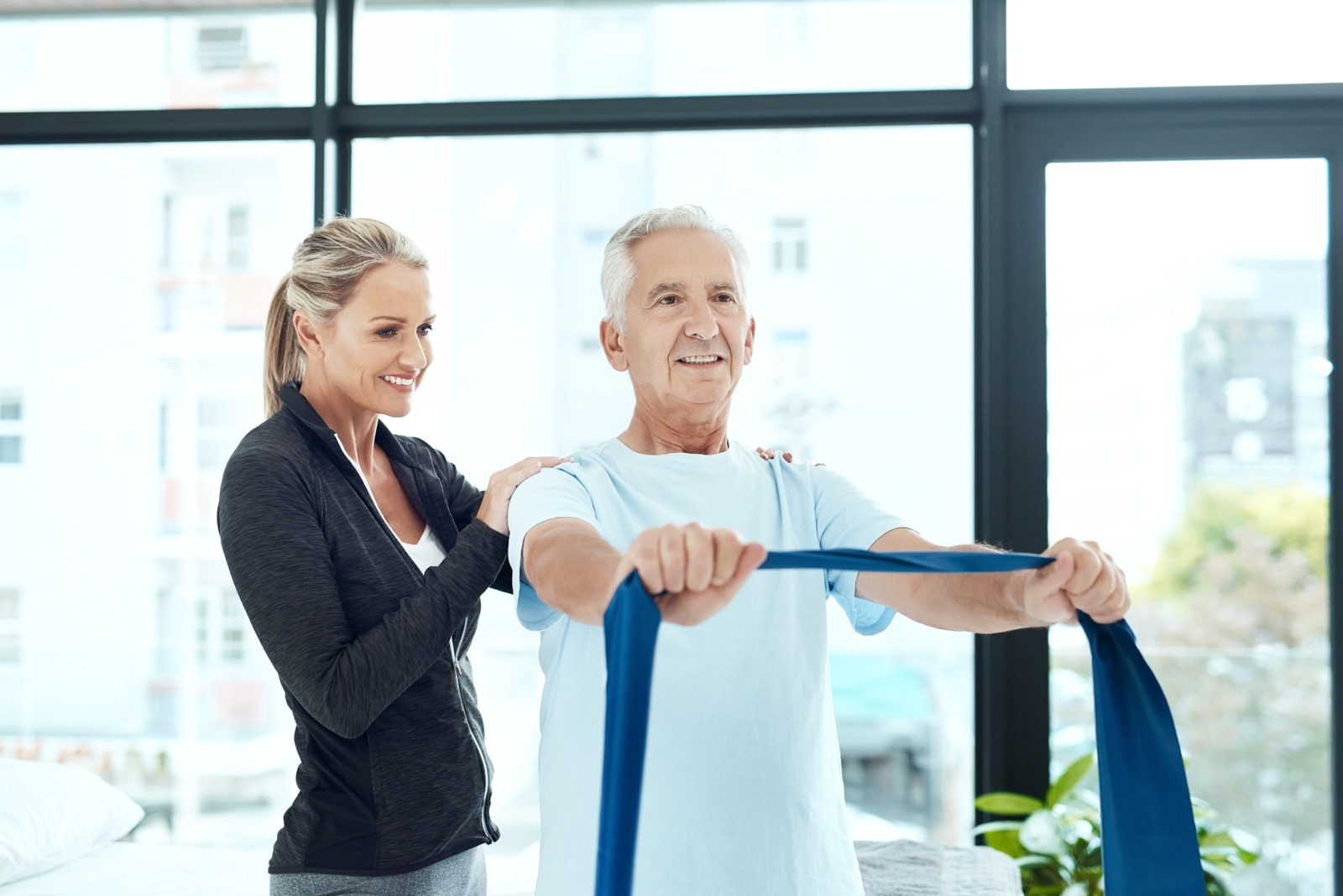
Geriatric therapy is built around a distinction worth making early: a great deal of what gets attributed to age is actually attributable to disuse, and disuse is reversible. Strength, balance, and endurance all respond to training in later life — including in people in their eighties and nineties, and including people who have already fallen. The goal is rarely to reverse aging. It is to keep the things a day is made of within reach.
Topics
Poor circulation in the legs
When leg symptoms are peripheral arterial disease rather than aging.
Learn more →Falls and balance
Why falls happen, and the exercise that reduces them by a quarter — high-certainty evidence.
Learn more →Staying independent at home
Home setup, energy, and the activities a day is actually built from.
Learn more →Osteoporosis and bone health
Loading the skeleton safely, and the movements that carry fracture risk.
Learn more →Falls are not an inevitable part of aging
A fall is usually the result of several things at once — reduced leg strength, slower balance reactions, medication side effects, poor vision, an unsafe surface — and that is the encouraging part, because most of those are modifiable.
- Strength and balance training is the intervention with the strongest evidence behind it, and it has to be challenging enough to be uncomfortable to work. Gentle movement classes, while worth doing, are not the same thing.
- A medication review matters. Several common drug classes affect balance, and the risk rises with the number taken.
- Vision and footwear are frequently overlooked and easily addressed.
- Home hazards are worth removing, though on their own they change less than most families expect. Strength does more.
What therapy looks like
An assessment of strength, balance, walking, and what has actually become difficult, followed by a program built around your goals. Expect to be asked what you have stopped doing — that answer usually matters more than any measurement.
Occupational therapy contributes where the difficulty is with daily activities: dressing, bathing, kitchen tasks, managing at home. Physical therapy contributes where it is with strength, balance, and mobility. Many people benefit from both.
It is not too late to start
The response to strength training in later life is well established, and it does not depend on having been active before. Beginning after a fall, after a hospital stay, or after years of doing very little is still worth doing.
When to seek prompt assessment
Finding a therapist
Ask whether the clinic has experience with older adults and whether they can see you at home if getting out is part of the problem.
Medical disclaimer. This page is for general educational purposes and does not constitute medical advice, diagnosis, or treatment. Always consult a qualified healthcare provider about your individual situation.