
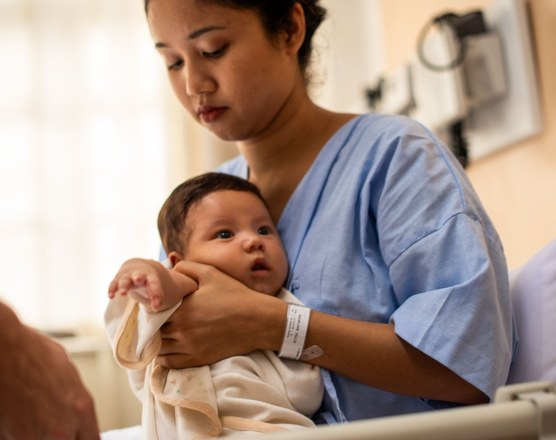
The moment you meet your baby is life-changing, but the journey that follows—the fourth trimester—is just as profound. While all eyes are on the newborn, your body is beginning its own incredible recovery. This period of healing is unique for every mother, filled with physical changes, emotional highs and lows, and a steep learning curve. It’s a time when it’s easy to feel lost, wondering, "Is this normal?"
We're here to tell you that what you're experiencing is likely a shared, normal part of the postpartum process. This week-by-week guide will walk you through the first six weeks of recovery, offering insight into what to expect physically and emotionally. We will cover healing from both vaginal and C-section births, pelvic floor recovery, mental health, and practical self-care. Remember, this is your time to heal. Be gentle with yourself.
Key takeaways
- Recovery is measured in months, not the six weeks the standard check-up implies.
- Call your provider immediately for a fever over 100.4F (38C).
- Call immediately for heavy bright red bleeding that soaks a pad in an hour, or clots bigger than a golf ball.
- Call immediately for foul-smelling discharge, which points to infection.
- Severe headache, vision changes, or upper abdominal pain can be postpartum preeclampsia and need urgent assessment.
- A red, swollen or painful area on the leg can be a clot and needs to be seen.
- Short slow walks help circulation and reduce clot risk. That is the exercise for the early weeks, and pushing past it is not progress.
Week 1: The First Seven Days of Healing
The first week postpartum is an intense period of adjustment. Your body has just accomplished something monumental, and now it needs rest and care. You’ll be navigating hormonal shifts, physical discomfort, and the demands of a newborn.
What to Expect Physically
- Lochia (Postpartum Bleeding): Expect heavy, bright red bleeding, similar to a very heavy period. You may also pass small blood clots. This is your body shedding the uterine lining.
- Uterine Contractions (Afterpains): Your uterus is working to shrink back to its pre-pregnancy size. This causes cramping, which can be more noticeable during breastfeeding due to the release of the hormone oxytocin.
- Perineal Soreness (Vaginal Birth): If you had a vaginal delivery, your perineum (the area between your vagina and anus) will be sore, swollen, and bruised. If you had tearing or an episiotomy, you will have stitches that need to be cared for.
- Incision Care (C-Section): Your C-section incision will be sore and covered with a dressing. Your mobility will be limited, and simple actions like sitting up, coughing, or laughing can be painful.
- Swelling: You may notice swelling in your legs, feet, and hands as your body processes excess fluids from pregnancy and IV fluids from labor.
- Breast Engorgement: Around day 3-5, your milk will "come in," causing your breasts to feel full, firm, and tender.
Mental & Emotional Health
Hormones are on a rollercoaster. It is completely normal to experience the "baby blues," characterized by mood swings, tearfulness, anxiety, and feeling overwhelmed. This typically peaks in the first week and should subside within two weeks.
Self-Care & Recovery Tips
- Rest, Rest, Rest: Your only jobs are to rest, recover, and bond with your baby. Accept help from anyone who offers.
- Peri Bottle: Use a peri bottle filled with warm water to cleanse your perineum after using the toilet. Gently pat dry.
- Padsicles: Line a maternity pad with witch hazel and aloe vera gel and freeze it. This provides incredible cooling relief for a sore perineum.
- Stay Ahead of the Pain: Take pain-relief medication as recommended by your doctor, especially for C-section recovery and afterpains. Don't wait for the pain to become severe.
- Hydrate & Eat: Drink plenty of water, especially if breastfeeding, and eat nourishing, easy-to-digest foods.
Week 2: Settling In and Finding a Rhythm
You’re starting to get the hang of things, but you are still very much in recovery mode. Your bleeding should be lightening up, and some of the initial intense soreness may be subsiding.
What to Expect Physically
- Lochia Changes: Your bleeding will likely transition from red to a pinkish or brownish color and become less heavy.
- Stitches Dissolving: If you had stitches from a tear, they will begin to dissolve. You might feel some itching as the area heals.
- C-Section Incision Healing: Your incision may still be tender, but you should be able to move a bit more comfortably. Keep the area clean and dry.
- Night Sweats: Hormonal shifts can cause significant night sweats as your body gets rid of excess fluid.
Mental & Emotional Health
The baby blues may still be present, but if feelings of sadness, anxiety, or hopelessness persist or worsen, it’s important to speak with your healthcare provider. You are still exhausted, and it's normal to feel like you're in a fog.
Self-Care & Recovery Tips
- Gentle Movement: Short, slow walks around your house can help with circulation and prevent blood clots. Listen to your body and don’t push it.
- Sitz Baths: A warm, shallow sitz bath for 10-15 minutes can soothe perineal soreness and promote healing.
- Pelvic Floor Breaths: Begin gentle diaphragmatic breathing, allowing your belly and pelvic floor to relax on the inhale and gently engage on the exhale. This is the first step in reconnecting with your core.
- Pillow Support: When getting out of bed or coughing after a C-section, hold a pillow firmly against your incision for support.
Weeks 3-4: Turning a Corner
By this point, you may start to feel a little more like yourself. You're likely more mobile, and a routine, however chaotic, is starting to form.
What to Expect Physically
- Lighter Bleeding: Lochia should be transitioning to a yellowish-white color. Some women may stop bleeding entirely by the end of week four, while for others it can last longer.
- Increased Mobility: You’ll likely find it easier to walk and move around. C-section moms will still need to avoid heavy lifting.
- Postpartum Hair Loss: Don't be alarmed if you start noticing more hair in your shower drain. This shedding is due to hormonal changes and is completely normal.
Mental & Emotional Health
The extreme hormonal shifts are beginning to level out. You might feel more emotionally stable, though exhaustion can still make you feel fragile. This is a good time to connect with other new moms, either online or in person, to share experiences.
Self-Care & Recovery Tips
- Establish a "Shift" System: If you have a partner, try to create shifts for baby care so each of you can get a consolidated 3-4 hour block of sleep.
- Get Outside: A short walk outside can do wonders for your mental health. The fresh air and change of scenery can break up the monotony of being indoors.
- Prioritize a Shower: Making time for a daily shower can feel like a major victory and help you feel more human.
- Check in on Your Pelvic Floor: If you are experiencing leaking (incontinence) when you sneeze or cough, or feel a sense of heaviness in your pelvis, make a note to discuss it with your provider. This is common, but not something you have to live with.
Weeks 5-6: The Six-Week Checkup and Beyond
The six-week mark is often seen as a milestone. It’s typically when you have your postpartum checkup with your doctor or midwife, and it’s a great opportunity to discuss any concerns you have.
What to Expect Physically
- Lochia Ends: For most women, postpartum bleeding has stopped by now.
- Cleared for Activity: Your provider will examine you to see how you are healing. If everything looks good, you may be cleared for activities like bathing, swimming, using tampons, and having sex. You will also get guidance on returning to exercise.
- C-Section Scar: Your incision should be well on its way to healing, though the scar may still be pink and slightly raised.
- Pelvic Floor Assessment: This is the perfect time to ask for a referral to a pelvic floor physical therapist. They are experts in postpartum recovery and can help you safely return to exercise and address issues like incontinence, pain, and diastasis recti (abdominal separation).
Mental & Emotional Health
By six weeks, you should be feeling more stable. However, Postpartum Depression (PPD) and Postpartum Anxiety (PPA) can appear anytime within the first year. Be honest with your provider at your checkup about how you are feeling mentally. There is effective help available.
Self-Care & Recovery Tips
- Ease Back into Exercise: Getting "cleared" for exercise doesn't mean jumping back into high-impact workouts. Start with gentle core exercises, walking, and stretching. A pelvic floor PT can give you a personalized plan.
- Reconnect with Your Partner: If you feel ready for intimacy, talk with your partner about your fears or discomfort. Start slowly and use plenty of lubricant, as hormonal changes can cause vaginal dryness.
- Nourish Your Body: Continue to focus on nutrient-dense foods to support your energy levels and healing.
- Advocate for Yourself: If something doesn't feel right—physically or emotionally—speak up. You are your own best advocate.
When to Call Your Doctor
While many postpartum symptoms are normal, some are signs of a problem. Contact your healthcare provider immediately if you experience:
- A fever over 100.4°F (38°C).
- Heavy, bright red bleeding that soaks through a pad in an hour, or passing large clots (bigger than a golf ball).
- Foul-smelling vaginal discharge.
- Severe headache, vision changes, or upper abdominal pain (signs of postpartum preeclampsia).
- A red, swollen, or painful area on your leg.
- An incision or tear that is red, swollen, oozing, or increasingly painful.
- Feelings of harming yourself or your baby.
Postpartum recovery is a marathon, not a sprint. Every mother’s path is different. By understanding what’s normal week-by-week, you can navigate your own journey with more confidence and less anxiety. Grant yourself grace, ask for help, and know that you are doing an amazing job.
Need more than an article?
Gear can only do so much. If something about how your child eats, moves, or talks has been on your mind, a pediatric therapist is the person who assesses it — and most families do not need a referral to ask.
Find a therapist near you →Related DrParenting guides
All DrParenting guides →More from DrSensory
DrParenting covers the gear. DrSensory covers the development behind it, written and reviewed by clinicians.
Sources
- American College of Obstetricians and Gynecologists. Postpartum Pain Management. acog.org. Checked August 21, 2026.
- American College of Obstetricians and Gynecologists. Postpartum Depression. acog.org. Checked August 21, 2026.
- Centers for Disease Control and Prevention. HEAR HER Campaign. cdc.gov. Checked August 21, 2026.
Medical disclaimer. This page is for general educational purposes and does not constitute medical advice, diagnosis, or treatment. Product information is checked against the manufacturer at the date shown and can change without notice — confirm weight and age limits on the product itself before you rely on them. Talk to your pediatrician about your own child.