As you design your baby’s nursery, you focus on creating a space that is not only beautiful and calming but also exceptionally healthy. Beyond the crib and the changing table, the very air your baby breathes plays a vital role in their comfort and well-being. A baby's respiratory system is delicate and still developing, making it more sensitive to dryness, dust, allergens, and other airborne irritants.
This is where humidifiers and air purifiers become essential tools for crafting the perfect nursery environment. A humidifier adds necessary moisture to the air, helping to soothe dry skin and congested nasal passages. An air purifier works to remove tiny particles like dust, pollen, and pet dander, creating cleaner air for your little one. But with so many models on the market, which ones are right for your nursery?
This guide will explain the benefits of both devices, outline the key features to consider, and review the top-rated humidifiers and air purifiers of 2025. We'll give you the practical tips you need to create a healthy, comfortable, and safe nursery for your baby.
Why Use a Humidifier in the Nursery?
Babies are obligate nose breathers, meaning they breathe almost exclusively through their noses for the first several months of life. When the air is dry, especially during winter months when heating systems are running, their tiny nasal passages can become dry and irritated. This can lead to congestion, stuffiness, and disrupted sleep.
A good humidifier helps by releasing a fine mist of water into the air, increasing the humidity level. The ideal indoor humidity for a nursery is between 40% and 60%.
Benefits of a Nursery Humidifier:
- Eases Congestion: Moist air helps to thin mucus, making it easier for your baby to breathe when they have a cold or stuffy nose.
- Soothes Dry Skin: It can help prevent and relieve dry, itchy skin and chapped lips.
- Reduces Airborne Viruses: Some studies suggest that maintaining proper humidity levels can reduce the survival of flu viruses in the air.
What to Look for in a Nursery Humidifier
- Cool Mist vs. Warm Mist: For a nursery, always choose a cool-mist humidifier. Warm-mist humidifiers use a heating element to boil water, which poses a serious burn risk if it is knocked over. Cool-mist humidifiers are just as effective and much safer.
- Ease of Cleaning: Humidifiers must be cleaned regularly (every 1-3 days) to prevent the growth of mold and bacteria, which can then be dispersed into the air. Look for models with wide tank openings and dishwasher-safe parts.
- Noise Level: A quiet, whisper-soft operation is essential for a nursery. Some models are specifically designed to be ultra-quiet.
- Filter vs. Filterless: Filtered models capture mineral deposits from the water, preventing a "white dust" from settling on surfaces. Filterless (ultrasonic) models are quieter and have no ongoing filter costs but may require the use of distilled water to avoid the white dust issue.
Best Nursery Humidifiers of 2025: A Review
1. Best Overall: Crane Drop Ultrasonic Cool Mist Humidifier
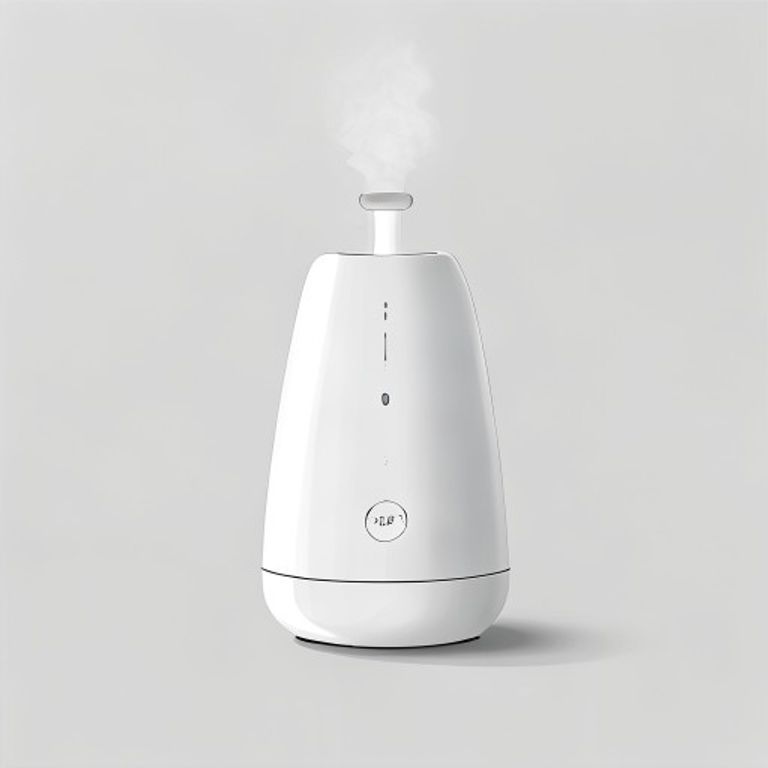
The Crane Drop is a nursery classic for its adorable design, whisper-quiet operation, and effective performance. It’s a filterless model that is easy to clean and powerful enough to humidify rooms up to 500 square feet.
- Pros:
- Whisper-quiet operation perfect for sleep.
- No filter required, saving on ongoing costs.
- 360-degree mist nozzle lets you direct the moisture where it's needed.
- Large 1-gallon tank runs for up to 24 hours.
- The bottom-fill tank can be awkward to fill in a small sink.
- Requires frequent cleaning to prevent mold growth.
2. Easiest to Clean: Fridababy 3-in-1 Humidifier
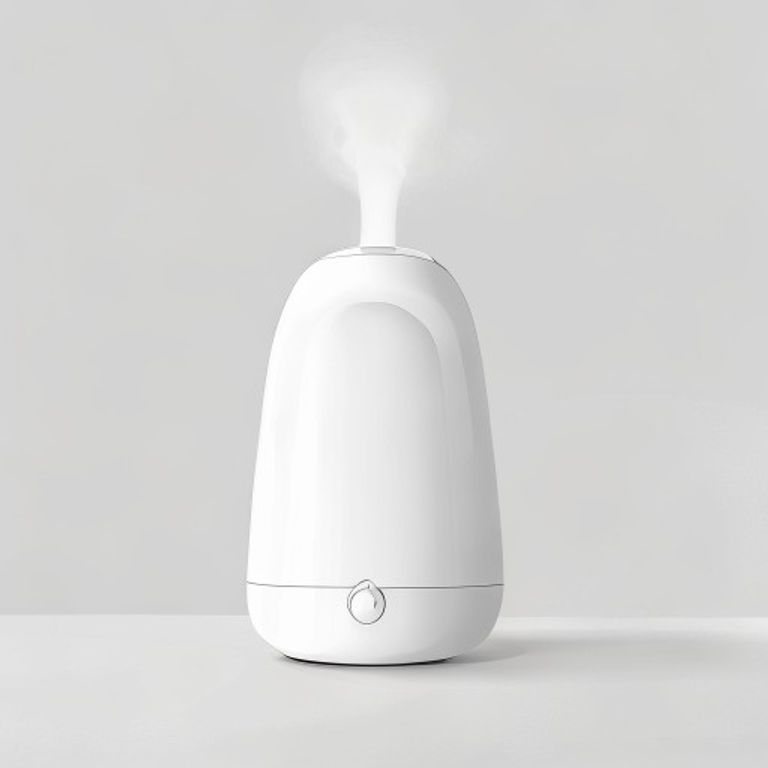
Fridababy is known for its smart, parent-focused designs, and this humidifier is no exception. It’s designed for easy cleaning with a large top opening and dishwasher-safe parts. It also functions as a diffuser and a nightlight.
- Pros:
- Extremely easy to clean with a wide top-fill tank.
- 3-in-1 functionality (humidifier, diffuser, nightlight).
- Automatic shut-off when the water runs out.
- Smaller tank size requires more frequent refilling.
Why Use an Air Purifier in the Nursery?
The air inside our homes can be more polluted than the air outside. It contains a mix of dust, pet dander, pollen, mold spores, and volatile organic compounds (VOCs) from furniture and cleaning products. An air purifier uses a fan to pull air through a series of filters, trapping these airborne particles and circulating cleaner air back into the room.
Benefits of a Nursery Air Purifier:
- Removes Allergens: It helps capture common allergens like pollen, dust mites, and pet dander that can trigger allergic reactions or asthma.
- Reduces Odors: A carbon filter can help neutralize odors from diapers and spit-up.
- Captures Germs: High-efficiency filters can trap airborne bacteria and viruses.
What to Look for in a Nursery Air Purifier
- HEPA Filter: This is the most important feature. A True HEPA filter is certified to capture 99.97% of particles as small as 0.3 microns. Don't be fooled by terms like "HEPA-type" or "HEPA-like."
- CADR Rating: The Clean Air Delivery Rate (CADR) measures the purifier's effectiveness at removing specific particles (dust, pollen, and smoke). The higher the number, the faster it cleans the air. Match the CADR to your nursery's square footage.
- Noise Level: Look for a model with a low noise level on its lowest setting for overnight use.
- Activated Carbon Filter: This layer is essential for removing odors and VOCs.
Best Air Purifiers for Nurseries of 2025: A Review
1. Best Overall: Levoit Core 300S Smart True HEPA Air Purifier
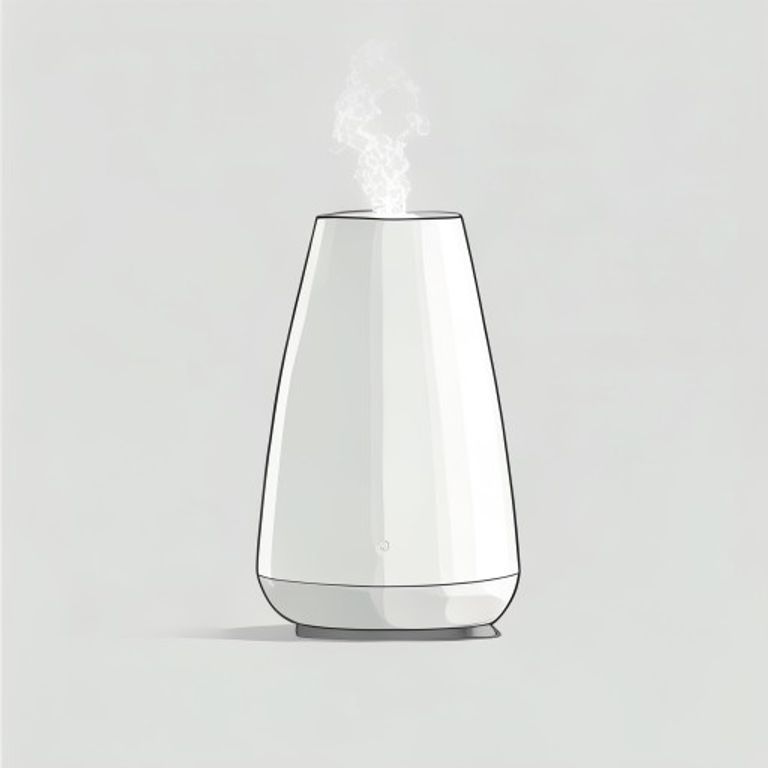
The Levoit Core 300S offers exceptional performance at a great price. It features a three-stage filtration system with a True HEPA filter and a high-efficiency carbon filter. Its smart features allow you to monitor air quality and control it from your phone.
- Pros:
- Excellent filtration performance with a True HEPA filter.
- Very quiet on its lowest setting (22dB).
- Smart features with app and voice control.
- Compact and stylish design.
- Requires filter replacements every 6-8 months, which is an ongoing cost.
2. Best for Sound + Purification: Hatch Rest+ 2nd Gen
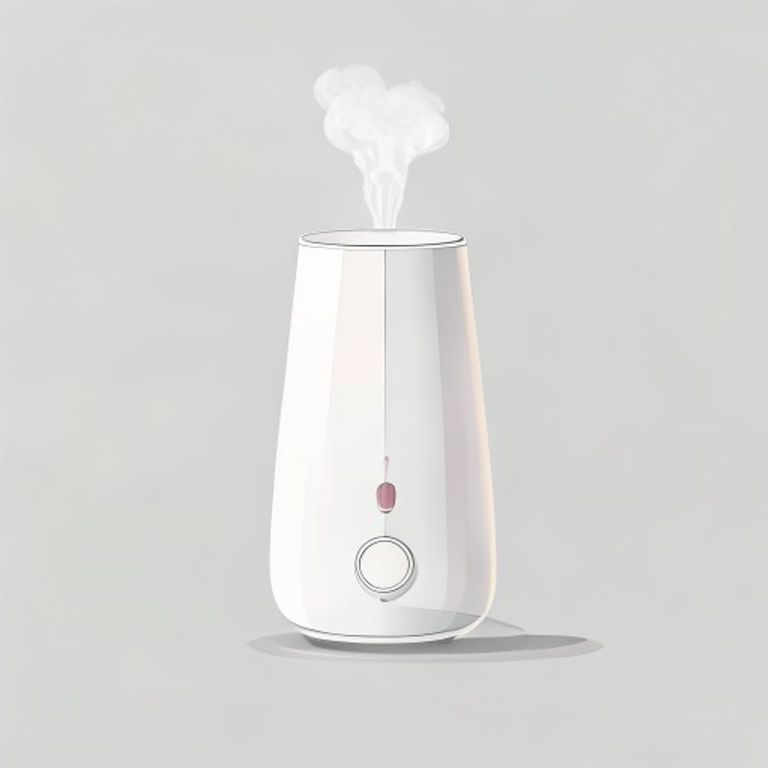
The Hatch Rest+ is a brilliant multi-functional device, combining a sound machine, nightlight, and time-to-rise clock with the added benefit of air purification. While not as powerful as a dedicated purifier, its HEPA filter helps clean the air in the immediate vicinity of the crib.
- Pros:
- Combines an air purifier with a top-rated sound machine and nightlight.
- Control all functions easily from a smartphone app.
- HEPA filter removes airborne irritants.
- Air purification is less powerful than standalone units.
- Premium price for the multi-functionality.
Final Tips for a Healthy Nursery Environment
- Cleanliness is Key: Regularly clean both your humidifier and your air purifier filters according to the manufacturer's instructions.
- Ventilate the Room: Open the windows for a few minutes each day to allow fresh air to circulate.
- Use Non-Toxic Products: Choose a GREENGUARD Gold Certified crib and mattress, use low-VOC paint, and clean with natural, baby-safe products to minimize chemicals in the air.
- Keep Pets Out: If possible, make the nursery a pet-free zone to reduce dander and hair.
By being mindful of air quality and investing in the right tools, you can create a nursery that is a true sanctuary. A high-quality humidifier and air purifier work quietly in the background, ensuring the air your baby breathes is as clean and comfortable as possible, giving you one less thing to worry about.
Need more than an article?
Connect with a vetted pediatric OT, PT, or speech therapist near you.
Find a Therapist →Related DrParenting guides
- The Best Baby Monitors of 2025: High-Tech vs. Simple and Secure
- The Best Developmental Toys for Your Baby's First Year
- Top-Rated Convertible Car Seats of 2025: A Safety-First Guide
- Must-Have Diaper Bags: Style Meets Function
- A Parent's Guide to the Best Baby Bottles for 2025
- Postpartum Recovery Week-by-Week: What’s Normal?
- ← All DrParenting guides

Licensed Doctor of Physical Therapy and founder of DrSensory, with over a decade of clinical experience.
View full bio →