For centuries, parents have swaddled their newborns to help them feel snug, secure, and to sleep more soundly. This age-old practice mimics the coziness of the womb, calms a baby’s startle reflex, and can be a powerful tool for promoting longer stretches of sleep. As your baby grows and begins to roll, the transition from a swaddle to a wearable blanket, or sleep sack, becomes the next step in maintaining a safe and comfortable sleep environment.
Navigating the world of swaddles and sleep sacks can be surprisingly complex. With countless options featuring zippers, velcro, special fabrics, and weighted designs, how do you choose the right one for your baby? Safety is the top priority, followed closely by comfort and ease of use—especially for those 3 AM diaper changes.
This guide is designed to provide clarity and confidence. We will explain the difference between swaddles and sleep sacks, detail the crucial features to look for, and review the top-rated products of 2025. Our goal is to help you select the best sleep solutions that will keep your baby cozy, safe, and sleeping soundly through their first years.
Swaddling 101: For the Newborn Phase
A swaddle is a blanket or pouch used to wrap a newborn snugly. This gentle pressure helps calm the Moro (or startle) reflex, a primitive response that can cause babies to jolt themselves awake. Swaddling is only safe for the newborn phase, before your baby shows any signs of attempting to roll over.
Key Features of a Great Swaddle:
- Safety: The swaddle should be snug around the chest but allow for healthy hip development by giving the baby’s legs and hips room to move freely in an "M" position. The International Hip Dysplasia Institute has a list of "hip-healthy" certified products.
- Ease of Use: While traditional swaddling with a blanket is an option, modern swaddles with velcro, zippers, or pouch designs are much easier for tired parents to use correctly and securely.
- Material: Look for soft, breathable fabrics like cotton, muslin, or bamboo to prevent overheating, which is a risk factor for SIDS. The fabric should have a bit of stretch for a snug fit.
When to Stop Swaddling
It is critical to stop swaddling as soon as your baby shows signs of trying to roll from their back to their stomach. This can happen as early as two months old. A swaddled baby who rolls onto their stomach is at an increased risk of suffocation. At this point, you must transition to a wearable blanket or sleep sack.
Best Swaddles of 2025: A Review
1. Best Overall Swaddle: Happiest Baby Sleepea 5-Second Swaddle
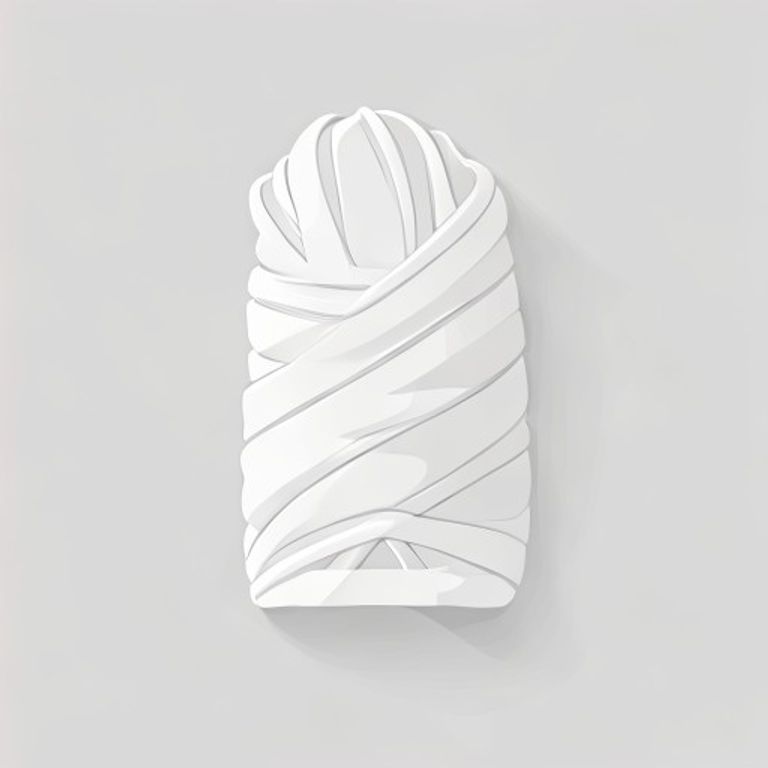
Designed by Dr. Harvey Karp, the creator of the SNOO, the Sleepea is engineered for speed, safety, and security. This swaddle is incredibly easy to use, earning its "5-second" name. It features an inner band that keeps the baby’s arms down, a quiet velcro design, and a two-way zipper for easy diaper changes. It is also one of the few swaddles made to be "escape-proof."
- Pros:
- Foolproof and escape-proof design: Very easy to get a secure swaddle every time.
- Hip-healthy: Acknowledged by the International Hip Dysplasia Institute.
- Breathable material: Made from 100% organic cotton.
- Allows for arms-in or one-arm-out swaddling for transitioning.
- Expensive compared to other swaddles on the market.
- The velcro can be loud during nighttime changes.
2. Easiest to Use: The Ollie Swaddle
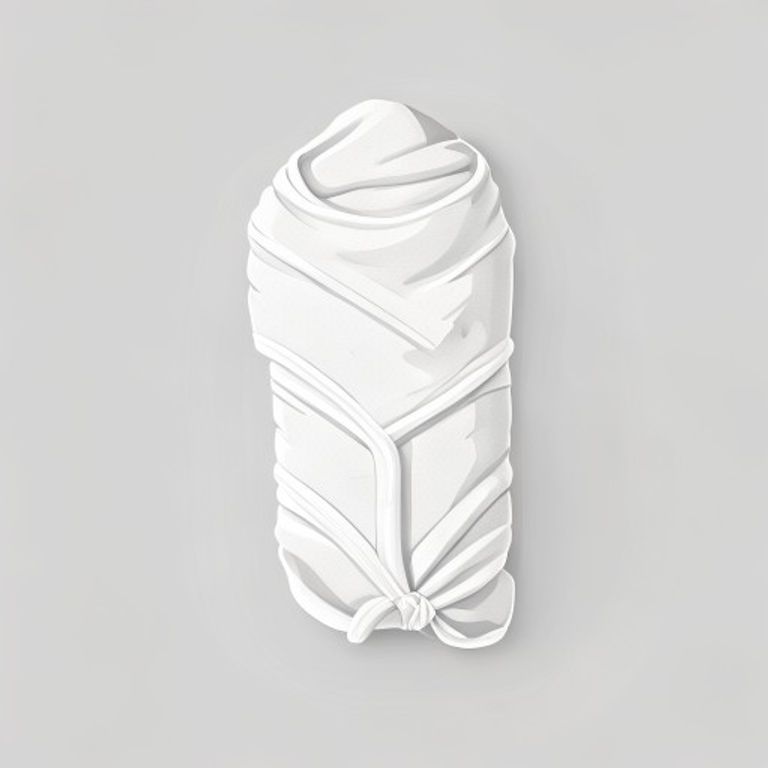
The Ollie Swaddle is beloved for its simplicity and custom fit. It consists of a single piece of patented moisture-wicking fabric that fastens with large velcro patches, allowing you to get the perfect level of snugness for your baby. An elastic loop at the bottom provides easy access for diaper changes without unswaddling.
- Pros:
- Highly adjustable: One size fits newborns to larger babies, offering great value.
- Moisture-wicking fabric helps prevent overheating.
- Easy diaper access via the opening at the bottom.
- Grows with baby: Can be used with arms in or out.
- One of the pricier options.
- The large velcro area can stick to laundry in the wash if not properly secured.
3. Best Transitional Swaddle: Love to Dream Swaddle UP
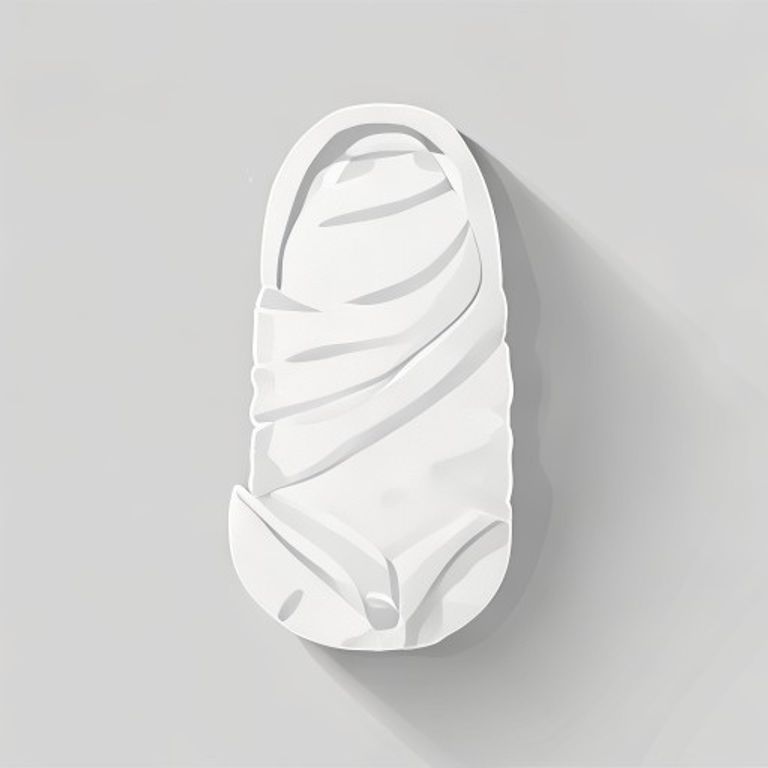
For babies who don't like having their arms pinned down, the Love to Dream Swaddle UP is a game-changer. Its unique "arms-up" design allows babies to sleep in a more natural position and self-soothe by touching their face or sucking on their hands. The Transition Bag version features zip-off "wings," making the move to an arms-out sleep sack seamless.
- Pros:
- Allows for natural arms-up position and self-soothing.
- Seamless transitioning: Zip-off sleeves make it easy to go from arms-in to arms-out.
- Dual zipper for easy diaper changes.
- Hip-healthy design.
- Sizing can be tricky; you may need to buy multiple sizes as your baby grows.
- Not suitable for babies who prefer a very snug, arms-down swaddle.
Sleep Sacks: The Safe Sleep Solution for Older Babies
A sleep sack, or wearable blanket, is the safe way to keep your baby warm after you stop swaddling. It’s a zippered blanket your baby wears, providing warmth without the risk of loose blankets in the crib. Sleep sacks can be used from the newborn stage (for babies who don't like swaddling) well into the toddler years.
Key Features of a Great Sleep Sack:
- TOG Rating: TOG stands for Thermal Overall Grade. It's a unit of measurement that tells you how warm a fabric is. A low TOG (0.5-1.0) is for warmer weather, while a higher TOG (2.0-2.5) is for cooler temperatures. This helps you dress your baby appropriately for sleep without guesswork.
- Material: Soft, breathable materials like cotton, bamboo, or wool are ideal.
- Zipper Design: A two-way or inverted zipper is essential for easy middle-of-the-night diaper changes.
Best Sleep Sacks of 2025: A Review
1. Best Overall Sleep Sack: Kyte Baby Sleep Bag
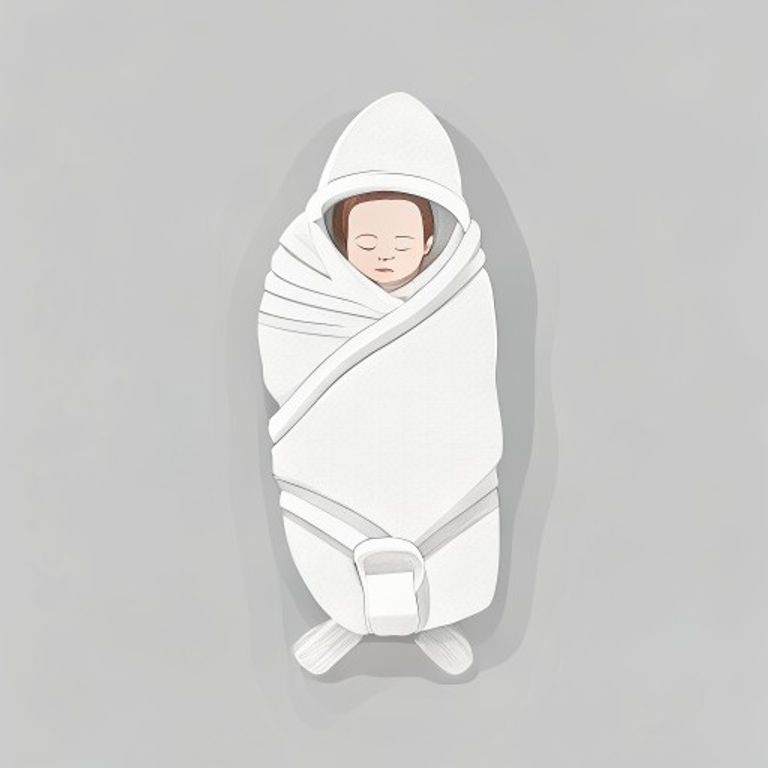
Kyte Baby Sleep Bags have a cult following for one main reason: their incredibly soft and sustainable bamboo fabric. This material is buttery soft, breathable, and thermoregulating, helping to keep your baby at the perfect temperature year-round. They come in three different TOG ratings and a beautiful array of colors.
- Pros:
- Luxuriously soft bamboo fabric is gentle on sensitive skin.
- Available in multiple TOGs for all seasons (0.5, 1.0, and 2.5).
- Durable construction and a J-shaped double zipper.
- Sleek, comfortable fit.
- Premium price point.
- Requires specific washing instructions (cold water, gentle cycle) to maintain fabric integrity.
2. Best Value Sleep Sack: HALO SleepSack Wearable Blanket
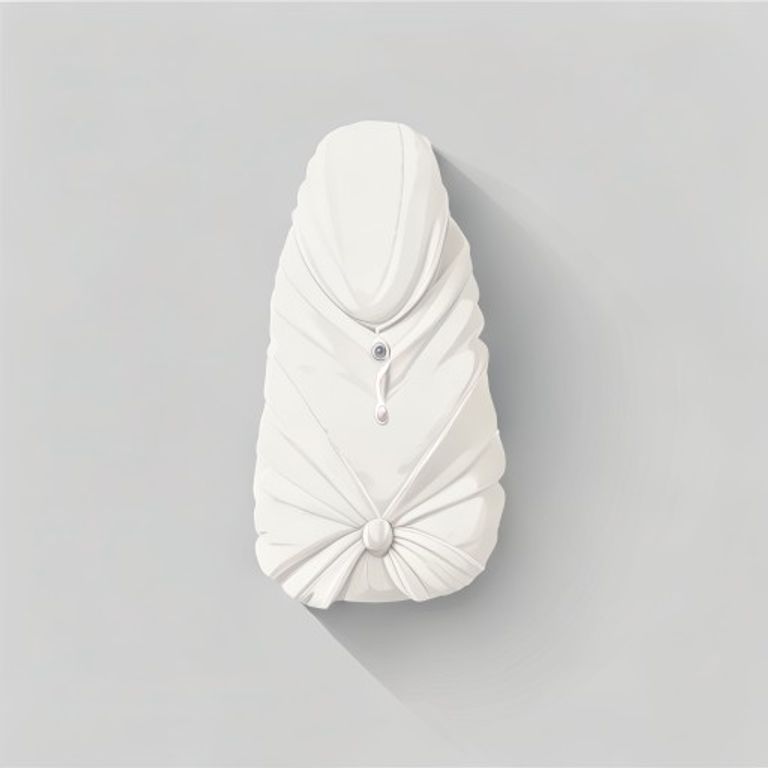
The HALO SleepSack is one of the most trusted and widely used wearable blankets, often found in hospital nurseries. It’s a simple, effective, and affordable safe-sleep solution. The roomy design is recognized as hip-healthy, and the inverted zipper makes diaper changes easy. HALO offers this sleep sack in various materials, including cotton, micro-fleece, and muslin.
- Pros:
- Affordable and widely available.
- Recognized as a leading safe-sleep brand.
- "Back to Sleep" embroidery serves as a gentle reminder.
- Roomy sack design promotes healthy hip development.
- The zipper quality can be inconsistent on some models.
- Micro-fleece options may not be breathable enough for some babies.
3. Best Weighted Sleep Sack: Nested Bean Zen Sack
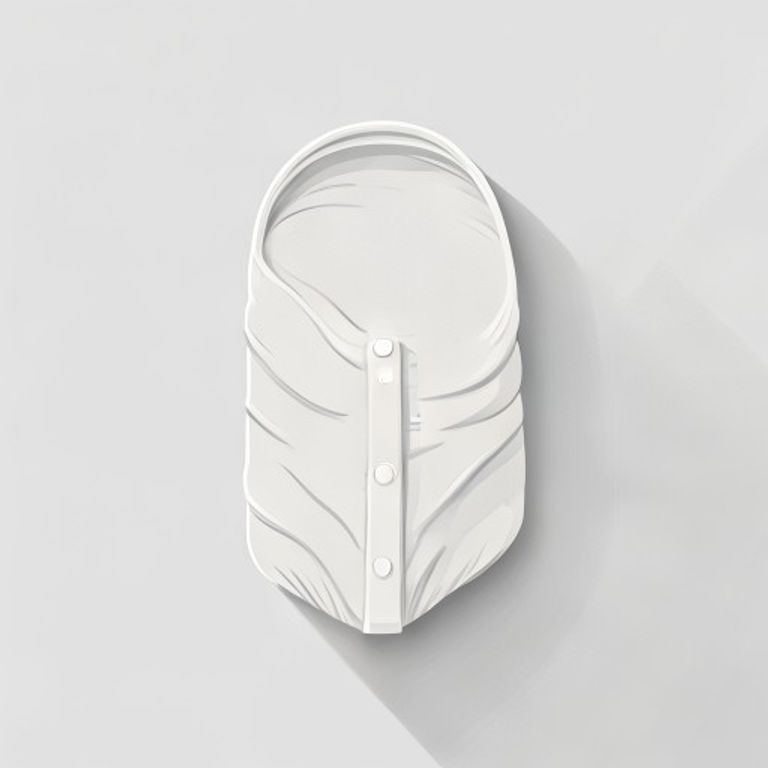
The Nested Bean Zen Sack features a gently weighted Cuddle Pad on the chest that mimics the reassuring pressure of a parent's touch. For some babies, this added pressure can help them sleep more soundly. The Zen Sack is made from soft cotton and has a two-way zipper and adjustable shoulder snaps to grow with your baby.
- Pros:
- Gently weighted pad can calm fussy babies and improve sleep.
- Adjustable shoulder straps allow for a longer fit.
- Made from soft 100% cotton.
- Weighted sleep products are controversial. Always consult your pediatrician before use.
- The weighted benefit is subjective and does not work for all babies.
Final Thoughts on Safe Sleep
Choosing between the myriad of swaddles and sleep sacks comes down to your baby’s unique preferences and your family's needs. It may take some trial and error to find the perfect fit. Consider buying one or two options to start before committing to a full set.
Above all, prioritize safety. Ensure any swaddle allows for hip movement and stop using it as soon as your baby shows signs of rolling. A sleep sack should always be the correct size and TOG for the season. By following these guidelines, you can create a safe, comfortable sleep routine that helps everyone in the family get a little more rest.
Need more than an article?
Connect with a vetted pediatric OT, PT, or speech therapist near you.
Find a Therapist →Related DrParenting guides
- The Best Strollers for Every Budget and Lifestyle
- The Best High Chairs for Easy Mealtimes
- The Best Baby Monitors of 2025: High-Tech vs. Simple and Secure
- The Best Developmental Toys for Your Baby's First Year
- Top-Rated Convertible Car Seats of 2025: A Safety-First Guide
- Noise Machines for Babies: The Ultimate Sleep Solution or Just White Noise?
- ← All DrParenting guides

Licensed Doctor of Physical Therapy and founder of DrSensory, with over a decade of clinical experience.
View full bio →