Babywearing is an age-old practice with modern-day magic. It offers a unique combination of freedom and closeness, allowing you to navigate your day with both hands free while keeping your baby snug, secure, and connected to you. A good baby carrier is more than just a convenience; it’s a tool that can soothe a fussy baby, promote bonding, and make adventures big and small possible.
But the world of baby carriers is vast and varied, featuring wraps, slings, and structured carriers in countless styles. How do you find the one that’s the perfect fit for both you and your baby? This guide will walk you through everything you need to know. We’ll explore the different types of carriers, break down the essential features to look for, and review our top-rated baby carriers of 2025 to help you choose with confidence.
What to Look for When Choosing a Baby Carrier
Finding the right carrier is a personal decision that depends on your body, your baby's age, and your lifestyle. Focusing on these core principles will lead you to a choice that is safe, comfortable, and a joy to use.
Ergonomics and Safety: The "M" Position
The most critical aspect of any carrier is how it positions your baby. A safe and ergonomic carrier should support your baby in a natural "M" or "froggy" position. This means:
- The baby’s knees are higher than their bottom.
- The carrier supports them from knee to knee.
- Their spine is naturally rounded in a "C" shape.
This position supports healthy hip development and is recognized as "hip-healthy" by the International Hip Dysplasia Institute. Always ensure the carrier keeps your baby’s airway clear, visible, and kissable—meaning their head is close enough for you to easily kiss the top of it.
Comfort for the Wearer
A carrier that isn't comfortable for you will end up collecting dust in a closet. Look for features that distribute your baby's weight evenly to prevent back and shoulder strain.
- Wide, Padded Shoulder Straps: These prevent digging and distribute weight across your shoulders.
- Supportive Waistband: A wide, firm waistband is essential, especially in soft-structured carriers. It transfers the majority of your baby's weight to your hips, taking the load off your back.
- Adjustability: A carrier that can be adjusted to fit different body types is crucial, especially if more than one caregiver will be using it.
Types of Baby Carriers
Understanding the main categories will help you narrow down your options.
- Wraps: These are long pieces of fabric that you wrap around yourself and your baby. They offer a custom, womb-like fit and are wonderful for newborns, but they have a steep learning curve.
- Ring Slings: A single piece of fabric is threaded through two rings, creating a pouch for your baby. They are quick to put on and great for shorter trips, but all the weight is on one shoulder.
- Soft-Structured Carriers (SSCs): This is the most popular category. SSCs feature a padded seat for the baby, shoulder straps, and a buckle waistband. They are easy to use, highly adjustable, and excellent for long-term wear.
- Meh Dais (or Bei Dais): This style combines features of a wrap and an SSC. It has a main body panel with four long straps that you tie, offering the custom fit of a wrap with more structure.
Lifestyle and Longevity
Consider how and when you plan to use the carrier.
- Newborn Use: If you want to wear your baby from day one, look for a carrier that is suitable for newborns without a separate infant insert.
- Climate: If you live in a warm climate, choose a carrier made from lightweight, breathable fabric like mesh or linen.
- Activity Level: For hiking and long walks, a supportive SSC is ideal. For quick errands or calming a fussy baby at home, a ring sling might be perfect.
Best Baby Carriers 2025: A Review for Every Parent
We’ve analyzed the top carriers on the market, focusing on safety, comfort, and user-friendliness to bring you our favorite picks.
1. Best Overall Soft-Structured Carrier: Ergobaby Omni Breeze
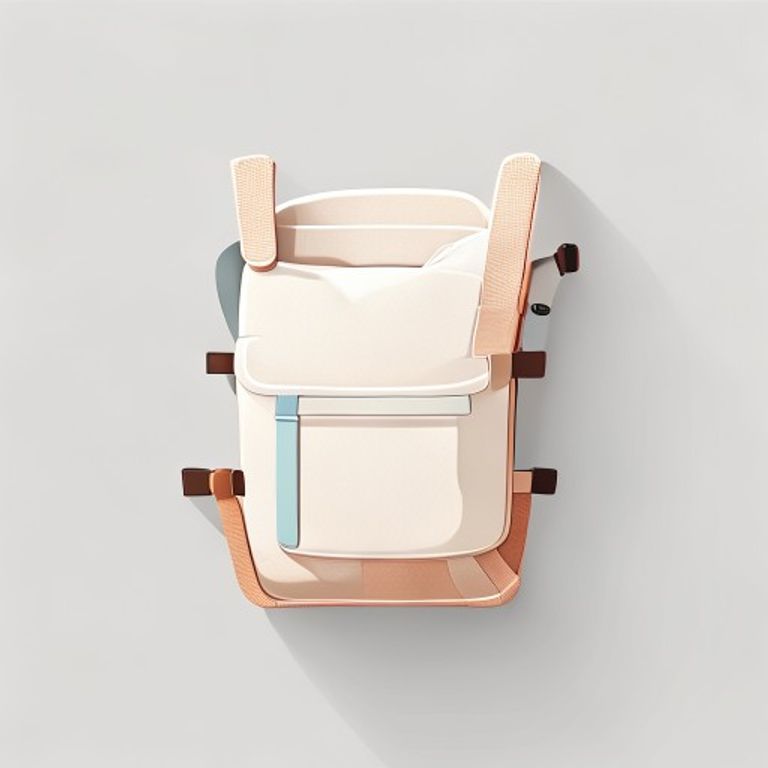
The Ergobaby Omni Breeze excels in almost every category, making it a top choice for most families. Its standout feature is its SoftFlex™ Mesh fabric, which is rated #1 in airflow, keeping both you and your baby cool and comfortable. It’s highly adjustable, can be used from the newborn stage without an insert, and offers all four carrying positions (front-inward, front-outward, hip, and back).
- Pros:
- Superior breathability: Ideal for warm weather or active parents.
- Grows with your baby: Suitable from newborn (7 lbs) to toddler (45 lbs) without an insert.
- Excellent ergonomic support: Padded lumbar support and crossable shoulder straps provide amazing comfort for the wearer.
- Easy to adjust: Intuitive sliders make it simple to switch between carry modes and caregivers.
- Higher price point: It is a premium carrier with a premium price tag.
- Can feel bulky: The robust padding and features make it less compact than other carriers.
2. Best Wrap Carrier: Solly Baby Wrap

For the newborn stage, nothing beats the cozy, womb-like embrace of a wrap, and the Solly Baby Wrap is a fan favorite. It’s made from incredibly soft, lightweight, and sustainable TENCEL™ Modal fabric. The fabric is buttery soft against a newborn’s skin and breathable enough to be comfortable year-round.
- Pros:
- Ultra-soft and lightweight fabric: Feels luxurious and doesn't overheat the baby.
- Custom, ergonomic fit: Perfectly supports a newborn's C-shaped spine.
- Compact and portable: Folds down small to easily fit in a diaper bag.
- Steep learning curve: It takes practice to learn how to tie the wrap securely and confidently.
- Limited longevity: Best suited for the first 9-12 months or up to 25 pounds.
3. Best Ring Sling: WildBird Ring Sling

WildBird has built a loyal following for its beautiful and functional ring slings. Made from high-quality linen or modal fabrics, these slings are strong, supportive, and breathable. Ring slings are fantastic for their speed and simplicity—once you get the hang of it, you can pop your baby in and out in seconds. They excel for quick trips, breastfeeding on the go, and comforting a baby who wants to be up and down frequently.
- Pros:
- Quick and easy to use: Perfect for errands and situations where you need to get the baby up quickly.
- Stylish and beautiful fabrics: Available in a wide array of colors and patterns.
- Compact: Easily fits into a purse or diaper bag.
- One-shoulder carry: Can cause strain during long periods of wear as all the weight is on one shoulder.
- Requires practice: Learning to properly thread and tighten the rings takes some effort.
4. Best Budget-Friendly Carrier: Infantino Flip 4-in-1 Convertible Carrier
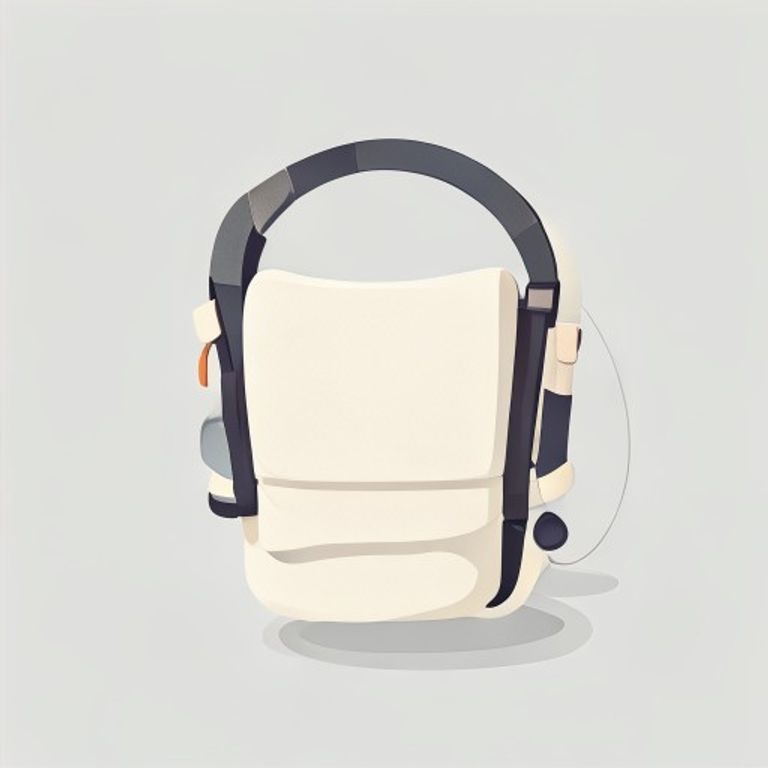
The Infantino Flip proves that you don't need to spend a fortune to get a safe and functional baby carrier. This convertible SSC is incredibly popular for its versatility and value. It offers four carrying positions, including a forward-facing option, and includes a clever adjustable seat that narrows for small infants and widens for older babies to ensure an ergonomic fit.
- Pros:
- Extremely affordable: The best value for a structured carrier on the market.
- Versatile: Offers four carrying positions to grow with your baby.
- Easy to clean: Comes with a bib to protect the carrier from drool and is machine washable.
- Less comfortable for long-term wear: The padding on the shoulder straps and waistband is not as robust as on premium models.
- Basic materials: Lacks the high-end feel and breathability of more expensive carriers.
Making Your Final Choice
The best baby carrier is the one you will actually use. If possible, try on different styles to see what feels best on your body. Join a local babywearing group or visit a boutique that allows you to test carriers. Think about your primary use case—will this be for gentle walks and housework, or for long hikes and travel?
Investing in a high-quality, ergonomic baby carrier is an investment in your comfort and your baby’s well-being. It gives you the freedom to continue living your life while keeping your little one exactly where they want to be: close to your heart.
Need more than an article?
Connect with a vetted pediatric OT, PT, or speech therapist near you.
Find a Therapist →Related DrParenting guides
- Postpartum Recovery Week-by-Week: What’s Normal?
- Baby Sleep Schedules: What Actually Works
- The Baby-Proofing Mindset: When and How to Start
- A Guide to Non-Toxic Baby Care Products
- What Overstimulation Really Looks Like
- The Best Baby Monitors of 2025: High-Tech vs. Simple and Secure
- ← All DrParenting guides

Licensed Doctor of Physical Therapy and founder of DrSensory, with over a decade of clinical experience.
View full bio →