
Speech and language
Anger Management in Kids – Incorporating the 5 Love Languages
Anger Management in Kids - Incorporating the 5 Love Languages Let’s talk about anger management. Is your child throwing tantrums? Do they raise their hands to their siblings? Are they expressing emotions through biting their peers? Or are you noticing the beginnings of passive-aggressive behaviors? Anger management is
- Expert Reviewed
- Plain Language
- Patient Focused
Key Takeaways
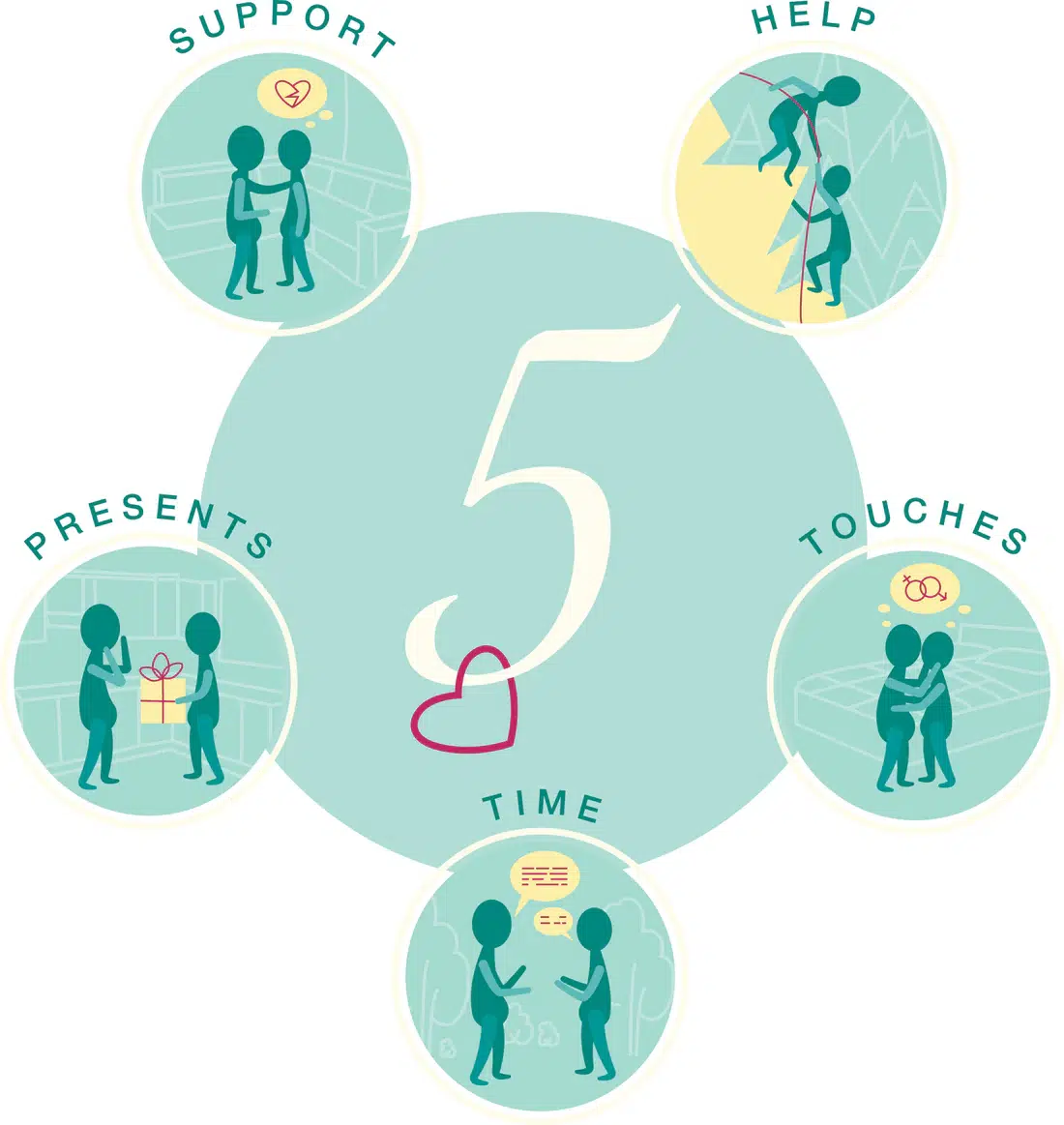
- The five love languages are Physical Touch, Words of Affirmation, Quality Time, Acts of Service, and Receiving Gifts, and while each child has one or two main ways they feel loved, every child needs all five.
- One of the main reasons a child acts out is to get attention, because they are feeling emotions and trying to show a parent they need to feel loved and seen.
- For toddlers, Physical Touch, Quality Time, and simple Acts of Service tend to be most helpful, such as reading together while holding them, making strong eye contact, and spending at least ten minutes a couple times a day joining their play.
- School-age children benefit from all five love languages but with an emphasis on Words of Affirmation and Quality Time, including honest praise and practicing social situations together as a game.
- Teenagers may respond well to Acts of Service, Quality Time, and Words of Affirmation, because this stage is about building trust and keeping communication open so they feel comfortable sharing their feelings.
Let’s talk about anger management. Is your child throwing tantrums? Do they raise their hands to their siblings? Are they expressing emotions through biting their peers? Or are you noticing the beginnings of passive-aggressive behaviors? Anger management is crucial for all people! However, as parents, it is our responsibility to teach our kids appropriately. How else will they learn?
There are so many viewpoints that I have considered before writing this blog. Here is one that I feel encompassed the entirety of a child (emotional, physical, social, etc) with meeting their needs. The book I recommend is The 5 Love Languages of Children by Gary Chapman and Ross Campbell. Let’s talk about it.
In summary, there are 5 love languages – Physical Touch, Words of Affirmation, Quality Time, Acts of Service, and Receiving Gifts. Rest assured, your child is in need of all of these! Each person has one or two main ways they feel loved but overall need all five. How are you meeting these needs?
Other than a toddler or child learning how to communicate effectively and therefore experimenting with physical violence, one of the MAIN reasons why your child is likely acting out is for attention. They are feeling emotions and feel that they need to express them – this is their way of showing you. As humans, we have an inherent need to feel loved and seen. So how are you meeting each of these five areas of love? Do you know your child’s main love language?
Tailoring Strategies Across Age Groups
How Do I Handle Anger In My Toddler?
Toddlers need to feel secure and know that their basic needs for attention and care are being met as they start navigating their emotions. Usually strategies of Physical Touch, Quality Time, and simple Acts of Service can be most beneficial. Toddlers need to feel seen. To help, here are some simple ideas. Hold your toddler in your arms and read a book together. Make strong eye contact with your child when you are telling them that you love them, when you are complementing or reinforcing good behavior, and even when you are correcting behavior. When your child is playing with their toys, be intentional about spending at least ten minutes of your time a couple times per day assisting your child with their choice of play – help with a puzzle, go through your ABCs, assist with putting together a train track, etc.
How Do I Handle Anger In My Students?
School-Age children will benefit from all five love languages but with an emphasis on Words of Affirmation and Quality Time. This age is about guiding your child to recognize their emotions and respond to them in socially appropriate ways. They are learning how to manage their emotions and how to fit in at school – you are their main teacher. Tell your child what you applaud and recognize they are doing well (be honest!) and spend time with your child. Practice social situations such as dining out, how to treat others, what to do if they feel embarrassed or upset in different situations. Make it a game and go over different scenarios. This can be fun! Not only is your child learning but you are also learning about your child. You may also learn something too!
How Do I Handle Anger In My Teenager?
Teens may respond well to Acts of Service, Quality Time, and Words of Affirmation. This age is about building trust and opening channels of communication so that the teen feels comfortable sharing their feelings and learning to manage complex emotions. At this stage, your teenager is gaining independence – you’ll see a lot less of your child and therefore the moments you get are highly important. If your child’s love language is physical touch, are you giving them a hug before they leave for school and when you see them after school? Are you able to write a positive affirmation note for their lunch or for them to find in their backpack when reaching for a pencil? Are you able to designate time to date your child – take them out for an activity or simply out to dinner one on one! The little moments you get are far more important than you may realize.
Anger management in kids, from toddlers to teens, requires patience, understanding, and a toolbox of strategies tailored to their emotional needs and developmental stage. By applying the principles of the Five Love Languages, parents and caregivers can offer support through the various phases of a child’s emotional growth, helping shape a future where anger is handled constructively and compassionately. These children who learn how to communicate appropriately when feeling different emotions will thrive in our world today and will be set up for healthy relationships with others and themselves.
Frequently Asked Questions
What are the 5 love languages for children?
The five love languages are Physical Touch, Words of Affirmation, Quality Time, Acts of Service, and Receiving Gifts. Each person has one or two main ways they feel loved, but children need all five.
Why is my child acting out or being aggressive?
Aside from young children experimenting with physical behavior as they learn to communicate, one of the main reasons a child acts out is for attention. They are feeling emotions and trying to express that they need to feel loved and seen.
How do I handle anger in my toddler?
Toddlers need to feel secure, seen, and cared for, and they often respond best to Physical Touch, Quality Time, and simple Acts of Service. Try holding them while reading a book, making strong eye contact when you speak to them, and spending at least ten minutes a couple times a day joining their play.
How can I help my school-age child manage anger?
School-age children benefit from all five love languages, with an emphasis on Words of Affirmation and Quality Time. Offer honest praise for what they do well, spend time with them, and practice social situations like dining out or handling embarrassment by making it a game.
How do I help my teenager with anger and emotions?
Teens may respond well to Acts of Service, Quality Time, and Words of Affirmation, since this stage is about building trust and keeping communication open. Small moments matter, such as a hug before school, a positive note in their backpack, or one-on-one time together over an activity or dinner.
Medical disclaimer. This page is for general educational purposes and does not constitute medical advice, diagnosis, or treatment. Always consult a qualified healthcare provider about your child.
Affiliate disclosure. Some links on this page are affiliate links, and we may earn a commission if you buy through one, at no extra cost to you. Where a placement is paid, it is labeled on the page.