
Behavior and emotions
Managing Emotions and Mood Swings in Neurodivergent Kids
Managing Emotions and Mood Swings in Neurodivergent Kids Teaching children how to describe their feelings and handle them appropriately is important to help prevent mood swings from becoming disruptive in their lives.
- Expert Reviewed
- Plain Language
- Patient Focused
Key Takeaways
- Teaching children how to describe their feelings and handle them appropriately helps prevent mood swings from becoming disruptive in their lives.
- Neurodivergent children sometimes struggle to speak about their emotions because they are feeling so intensely that they do not know where to start describing how they feel.
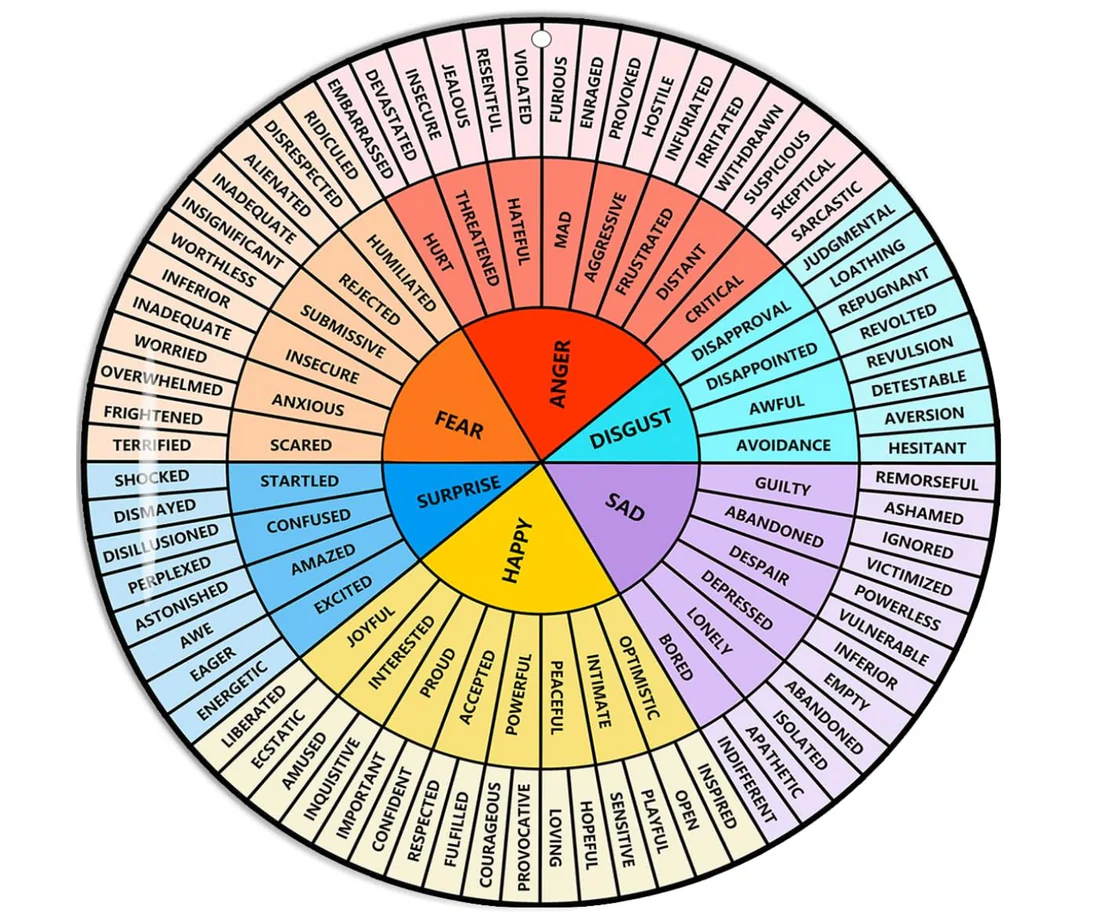
- Giving children access to an emotion chart with 30 or more emotions can help them better identify and describe what they are feeling.
- If a child copes with mood swings through behaviors like biting their lips or scratching their head or body, parents should address it, seek professional help if necessary, and offer healthier alternatives such as a chewy.
- Managing mood swings is an ongoing process that involves self-care, identifying triggers, seeking support, and practicing mindfulness.
Teaching children how to describe their feelings and handle them appropriately is important to help prevent mood swings from becoming disruptive in their lives. Encouraging children to express themselves openly and teaching them healthy coping strategies can also benefit their emotional well-being.
Feelings Can Be Overwhelming
Sometimes a feeling is more overwhelming than a person’s ability to speak, which is why sometimes neurodivergent people have a hard time speaking; they’re feeling so intensely that they don’t know where to start to describe how they’re feeling. For example, there can be different levels of frustration and sadness that can be experienced as intense feelings, so it’s important to teach children how to identify and express their emotions accurately.
Giving neurodivergent children access to a more diverse emotional chart with 30 + emotions to consider can help the child to better describe their emotions. Here are a couple charts (click the images for direct links) that can help children and adults figure out which emotion they are feeling:
Charts Can Help Widen a Child’s Range of Emtions
Charts such as there can also help to understand that it is normal to experience a wide range of emotions and that it is okay to seek assistance in managing them. Overall, teaching children about their emotions and providing them with tools to cope can greatly benefit their overall mental health and well-being as they grow and navigate through life.
If parents notice that a child is biting the lips, scratching the head or other parts of the body as a way to cope with mood swings, it is important to address this behavior and seek professional help if necessary. These types of coping mechanisms can have harmful consequences and should be replaced with healthier alternatives such as biting on a chewy such as these (click on the images for direct links to the products):
Managing Mood Swings
Managing mood swings involves self-care, identifying triggers, seeking support, and practicing mindfulness. This is an ongoing process.
Additionally, modeling healthy ways of managing emotions can be helpful for children to learn from. Hobbies and activities that promote relaxation and self-care can be enjoyed together as a family, creating a positive and supportive environment for children to learn about emotional management. A balance board such as these ones (click on the images for direct links) can help a child to do an activity while processing their emotions.
Taking a family bike ride or skateboard outing, cooking a healthy meal together, or practicing gratitude and mindfulness exercises as a family are all examples of activities that can promote emotional well-being.
Practicing Mindfulness
Managing mood swings is essential for individuals of all ages in order to maintain a sense of balance and overall well-being. Additionally, practicing mindfulness can also help individuals manage mood swings. This involves being present in the moment and observing thoughts and feelings without judgment. By acknowledging and accepting one’s emotions without reacting impulsively, individuals can learn to regulate their mood more effectively.
Frequently Asked Questions
What does managing mood swings actually involve?
Managing mood swings involves self-care, identifying triggers, seeking support, and practicing mindfulness, and it is an ongoing process. Modeling healthy ways of managing emotions also helps children learn.
How can I help my child describe their emotions better?
Giving children access to a more diverse emotion chart with 30 or more emotions to consider can help them better describe what they are feeling. These charts also help children understand that it is normal to experience a wide range of emotions and okay to seek help managing them.
How can our family support a child's emotional well-being together?
Hobbies and relaxation activities can be enjoyed together to create a positive, supportive environment. Examples include taking a family bike ride or skateboard outing, cooking a healthy meal together, and practicing gratitude and mindfulness exercises as a family.
Why does my neurodivergent child struggle to talk about their feelings?
Sometimes a feeling is more overwhelming than a person's ability to speak. Neurodivergent children may feel emotions so intensely that they do not know where to start describing how they feel.
What should I do if my child bites their lips or scratches themselves to cope?
If you notice a child biting their lips, scratching their head, or other parts of the body to cope with mood swings, it is important to address this behavior and seek professional help if necessary. These coping mechanisms can have harmful consequences and should be replaced with healthier alternatives, such as biting on a chewy.
Medical disclaimer. This page is for general educational purposes and does not constitute medical advice, diagnosis, or treatment. Always consult a qualified healthcare provider about your child.