
DrParenting
Perspectives: First-Person Essays From Parents and Clinicians
What an experience was actually like, told by the parent or clinician who lived it: a family on survival swim lessons for their toddler, and a psychiatric nurse practitioner on the teenage girls whose ADHD is first called anxiety.
- Plain Language
- Patient Focused
DrParenting Perspectives are first-person essays from parents and clinicians about what an experience was actually like, in their own words. Each is one person’s account rather than clinical guidance, and each links to a sourced DrSensory guide for the evidence. Parents, therapists and clinics can propose an essay through Write for Us.
Key takeaways: perspective essays
- One person’s account. A perspective tells you what something was like for one family or one clinician; it is not a recommendation for your child.
- The evidence is one link away. Each essay links to DrSensory’s sourced guide on its subject, such as water safety for neurodivergent children or ADHD in teen girls.
- Swim lessons are one layer of protection. The American Academy of Pediatrics says swim lessons do not make a child drown proof, and that close supervision, pool fences and life jackets are other important layers.1
- ADHD in girls is easy to miss. Girls with ADHD are less likely to be identified and referred for assessment, and the anxiety or low mood that can come with it may be taken for the main problem.2
- Sponsored essays say so. When a sponsor paid to publish an essay, a notice at the top of the essay names it.
- You can contribute. Parents, therapists and clinics can propose an essay through Write for Us.
What are DrParenting Perspectives?
First-person essays: a parent or a clinician describing what an experience was actually like, in their own words. They sit beside DrParenting’s guides, which explain what the research says, and answer a different question: what it was like to live through.
Each essay is labeled as a personal account, names its writer, and links to the DrSensory guide that carries the evidence on the same subject. For practical, sourced guides on sensory needs, school, teens and a parent’s own health, see DrParenting Health.
Which perspective essays can parents read on DrParenting?
Each essay below is one person’s account, with a link inside it to the evidence on the same subject.
 Clinician perspective · Development
When the Referral Says Anxiety
 Perspective · Water safety
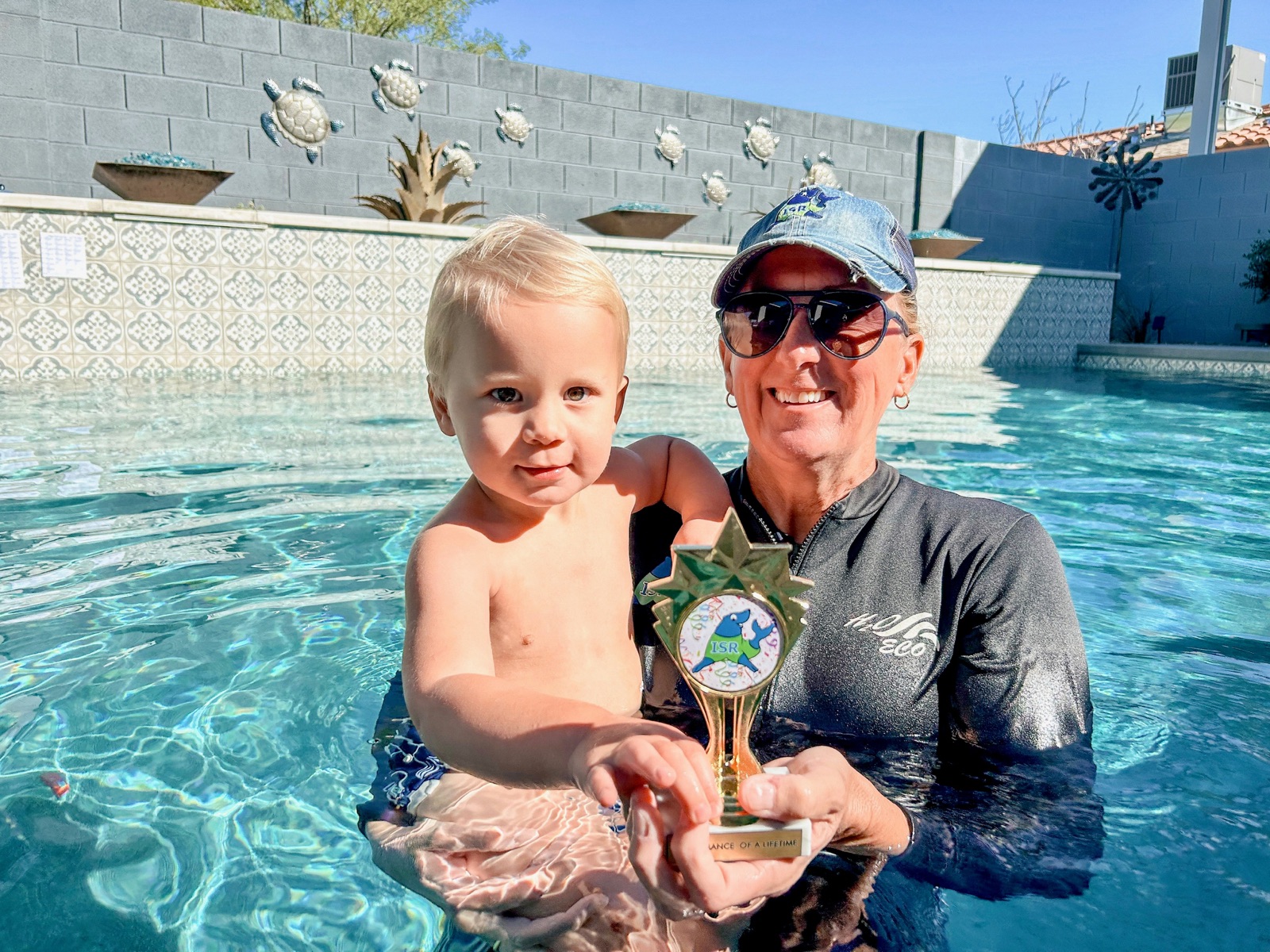
Our Experience With ISR Swim Lessons
What are ISR swim lessons like for a toddler?
In one family’s account, structured, short and frequent. Infant Swimming Resource teaches children from 6 months to 6 years a set of self-rescue skills.3 Their son’s lessons were one-on-one, about ten minutes, five days a week for several weeks, and he learned to get into a safe floating position, look around, and decide whether to float again or swim to the edge. The family’s verdict: lessons are a layer, not a solution.
The American Academy of Pediatrics says the same in its own terms. It recommends swim lessons for many children from age 1, says there is no evidence that infant swim programs lower drowning risk for babies under 1, and says lessons do not make a child drown proof.1 For what the evidence says about swimming and drowning risk, see Water Safety for Autistic and Neurodivergent Children.
Why are teenage girls with ADHD often referred for anxiety first?
Because the anxiety is real and visible, and the attention difficulty underneath it is quieter. An expert consensus statement on girls and women with ADHD found that they are less likely to be identified and referred for assessment, that anxiety or low mood alongside ADHD may be taken for the primary condition, and that rating scale norms come mostly from male or mixed samples, which may disadvantage their use in girls.2
In her essay, a psychiatric nurse practitioner who assesses teenage girls for ADHD names the one question she would ask a parent before booking: how long homework actually takes, including the false starts and the rereading. For the evidence, see DrSensory’s guide to ADHD in teen girls.
Where else on DrParenting do parents and clinicians write in their own words?
These first-person pieces sit in other parts of DrParenting: a parent’s account of an unexpected moment at the eye doctor, a postpartum doula organization on the line between adjustment and depression, and a vascular surgeon on what he looks for in a recovering leg.
 Parent perspective · Development
A Lesson of the Heart by Kristi Fox
 Doula perspective · Postpartum
Recognizing Postpartum Adjustment vs. Postpartum Depression: A Doula's Perspective
 Clinician perspective · Health
What a Vascular Surgeon Actually Looks For — and Why Most Legs Are Fine
How should parents read a personal perspective?
- Read it as one experience. What worked for one child or one family may not fit yours.
- Check who wrote it. The byline names the writer, and a notice at the top says when a sponsor paid to publish the essay.
- Follow the link to the evidence. Each essay points to the DrSensory guide that sets out what the research says.
- Take your questions to your own clinician. Your child’s pediatrician or therapist knows your child; an essay does not.
How can I share my own perspective on DrParenting?
Pitch it through Write for Us, the form for contributed articles, which also sets out the terms. Parents, therapists and clinics can all propose an essay, and nothing is charged when you send a pitch. A clinic with a DrSensory account can also sign in to the clinic portal and pitch a piece from there.
A good perspective starts with something you lived through and a question other families ask. It says what happened, what you would tell another parent, and where the evidence is.
Frequently asked questions
What is a DrParenting perspective?
A first-person essay from a parent or a clinician about what an experience was actually like. It is one person’s account rather than clinical guidance, and it links to DrSensory’s sourced guide on the same subject.
Are perspective essays medical advice?
No. A perspective tells you what one family or one clinician found. For your own child, follow the link in each essay to the evidence, and talk to your child’s pediatrician or therapist.
Do ISR swim lessons make a child safe in the water?
No. In the family’s own words, lessons are a layer, not a solution: their son is safer than he was and is not safe alone near water. The American Academy of Pediatrics says swim lessons do not make a child drown proof.1
How often are ISR swim lessons?
In this family’s experience, one-on-one, about ten minutes, five days a week for several weeks. They found the frequency harder than the lessons themselves.
Can a girl score normally on an ADHD questionnaire and still have ADHD?
Yes. Rating scale norms come mostly from male or mixed samples, which may disadvantage their use in girls, and girls who compensate for their difficulties can have them underestimated, so a normal score does not end the conversation.2
Can I write a perspective for DrParenting?
Yes. Parents, therapists and clinics can pitch an essay through Write for Us, which also sets out the terms.
Are any perspectives sponsored?
Some are. When a sponsor paid to publish an essay, a notice at the top of the essay says so and names the sponsor.
Sources
- American Academy of Pediatrics. Swim Lessons for Children: When to Start & What to Consider. HealthyChildren.org. healthychildren.org. Checked October 16, 2026.
- Young S, Adamo N, Ásgeirsdóttir BB, et al. Females with ADHD: an expert consensus statement taking a lifespan approach providing guidance for the identification and treatment of attention-deficit/hyperactivity disorder in girls and women. BMC Psychiatry. 2020;20(1):404. doi:10.1186/s12888-020-02707-9.
- Infant Swimming Resource. Infant Swimming Resource. infantswim.com. Checked October 16, 2026.
Medical disclaimer. This page is for general educational purposes and does not constitute medical advice, diagnosis, or treatment. Always consult a qualified healthcare provider about your child.