
Behavior and emotions
Emotions Are An Integral Part of Our Daily Lives
It is essential to recognize and understand these emotions to effectively manage them and maintain emotional well-being.
- Expert Reviewed
- Plain Language
- Patient Focused
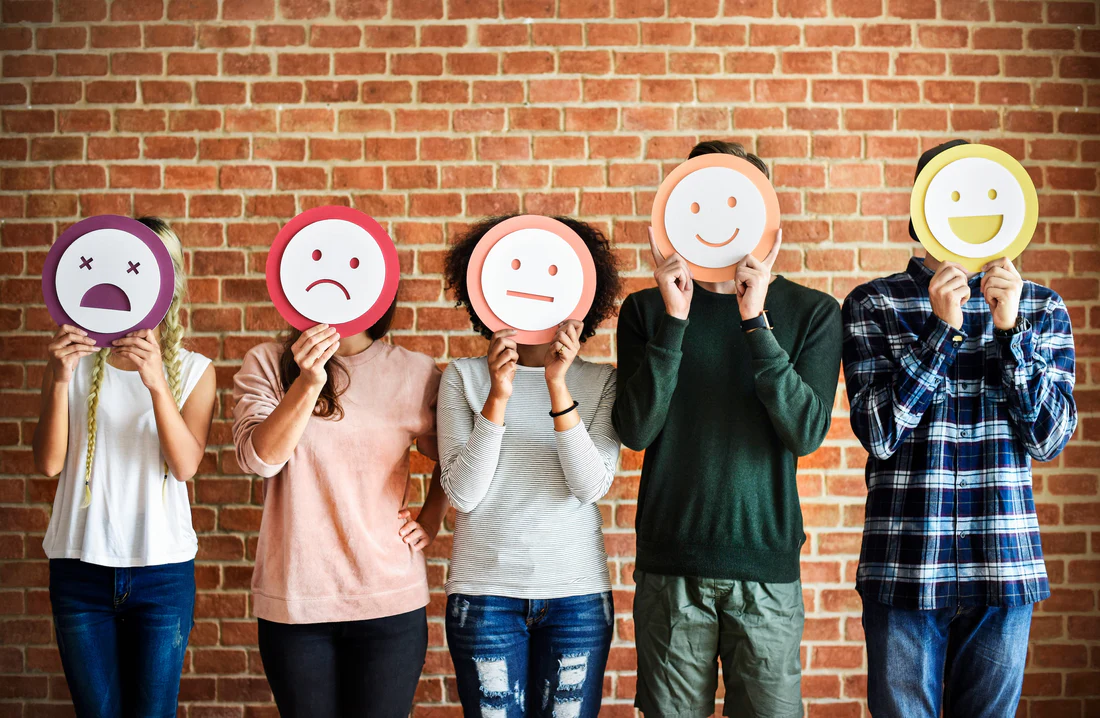
Emotions are an integral part of our daily lives…
They dictate how we react to different situations and impact the decisions we make. Some emotions are positive, while others can be negative. They are closely related to our mental well-being and play a significant role in shaping our overall personality.
In this article, we will explore 30 emotions that humans commonly experience and understand their significance in our lives.
Positive Emotions
- Happiness – This is a positive emotion that brings joy, contentment, and satisfaction. It can be triggered by various factors such as achieving a goal, spending time with loved ones, or simply appreciating the beauty of life.
- Love – A deep feeling of affection toward someone or something. It can be toward a partner, family member, friend, pet, or even an activity.
- Gratitude – A feeling of thankfulness and appreciation for the good things in our lives. Practicing gratitude has been shown to improve overall well-being and happiness.
- Excitement – An intense feeling of enthusiasm and anticipation toward something that is about to happen.
- Serenity – A state of calmness and tranquility, often associated with moments of peace and relaxation.
- Hope – The feeling of optimism toward the future and a belief that things will improve.
- Pride – A sense of accomplishment and satisfaction in oneself or others for achieving something significant.
- Inspiration – The feeling of being motivated and encouraged to create or achieve something extraordinary.
- Awe – An overwhelming feeling of wonder and amazement toward something larger than oneself, such as nature or art.
- Amusement – The feeling of enjoyment and humor that comes from entertaining activities or situations.
- Satisfaction – A sense of fulfillment and gratification upon achieving a desired outcome or completing a task.
- Confidence – The feeling of self-assurance and belief in one’s abilities and decisions.
- Affection – A gentle feeling of fondness and care toward someone or something.
- Empathy – The ability to understand and share the feelings of others, often leading to compassionate actions.
- Relief – The feeling of comfort and ease after being freed from a difficult or stressful situation.
Negative Emotions
- Sadness – A feeling of sorrow and grief often triggered by loss, disappointment, or helplessness.
- Anger – A strong emotion of annoyance, frustration, or hostility toward a person, situation, or oneself.
- Fear – An intense feeling of anxiety and apprehension toward real or perceived danger.
- Envy – A negative emotion triggered by a desire for what someone else has or is perceived to have.
- Shame – A feeling of embarrassment and guilt about one’s actions or circumstances.
- Disgust – The repulsive feeling toward something that is considered offensive, unpleasant, or unacceptable.
- Loneliness – The emotion of sadness and isolation caused by a lack of social connection.
- Jealousy – A negative emotion triggered by the fear of losing something or someone important to us.
- Regret – The feeling of disappointment and remorse for a past action or decision.
- Anxiety – An overwhelming feeling of worry and unease about future events or situations.
- Boredom – The feeling of disinterest and lack of excitement caused by tedious activities or monotony.
- Disappointment – The emotion of sadness and dissatisfaction when expectations are not met.
- Frustration – A feeling of annoyance and impatience toward obstacles and challenges.
- Guilt – An emotion stemming from a belief that one has done something wrong or failed to do what was expected.
- Insecurity – The feeling of self-doubt and lack of confidence in oneself or one’s abilities.
Recognizing and understanding your emotions
Emotions are complex and diverse, and each one plays a unique role in our lives. It is essential to recognize and understand these emotions to effectively manage them and maintain emotional well-being. Remember that it’s okay to experience both positive and negative emotions as they are a natural part of being human.
Frequently Asked Questions
Why are emotions so important in everyday life?
Emotions dictate how we react to different situations and impact the decisions we make. They are closely related to our mental well-being and play a significant role in shaping our overall personality.
Is it normal for my child to feel both good and bad emotions?
Yes. It is okay to experience both positive and negative emotions because they are a natural part of being human, and each one plays a unique role in our lives.
What are some examples of positive emotions?
Positive emotions include happiness, love, gratitude, excitement, serenity, hope, pride, inspiration, awe, amusement, satisfaction, confidence, affection, empathy, and relief.
What are some examples of negative emotions?
Negative emotions include sadness, anger, fear, envy, shame, disgust, loneliness, jealousy, regret, anxiety, boredom, disappointment, frustration, guilt, and insecurity.
How can understanding emotions help with emotional well-being?
Emotions are complex and diverse, and each plays a unique role in our lives. Recognizing and understanding these emotions is essential to managing them effectively and maintaining emotional well-being.
Medical disclaimer. This page is for general educational purposes and does not constitute medical advice, diagnosis, or treatment. Always consult a qualified healthcare provider about your child.