
Sensory processing
Sensory-Friendly Holidays: Gatherings, Noise, Lights and Visitors
Holidays stack noise, lights, crowds and changed plans on top of each other. Here is how to plan for that, and what to do when it still gets to be too much.
- Plain Language
- Patient Focused
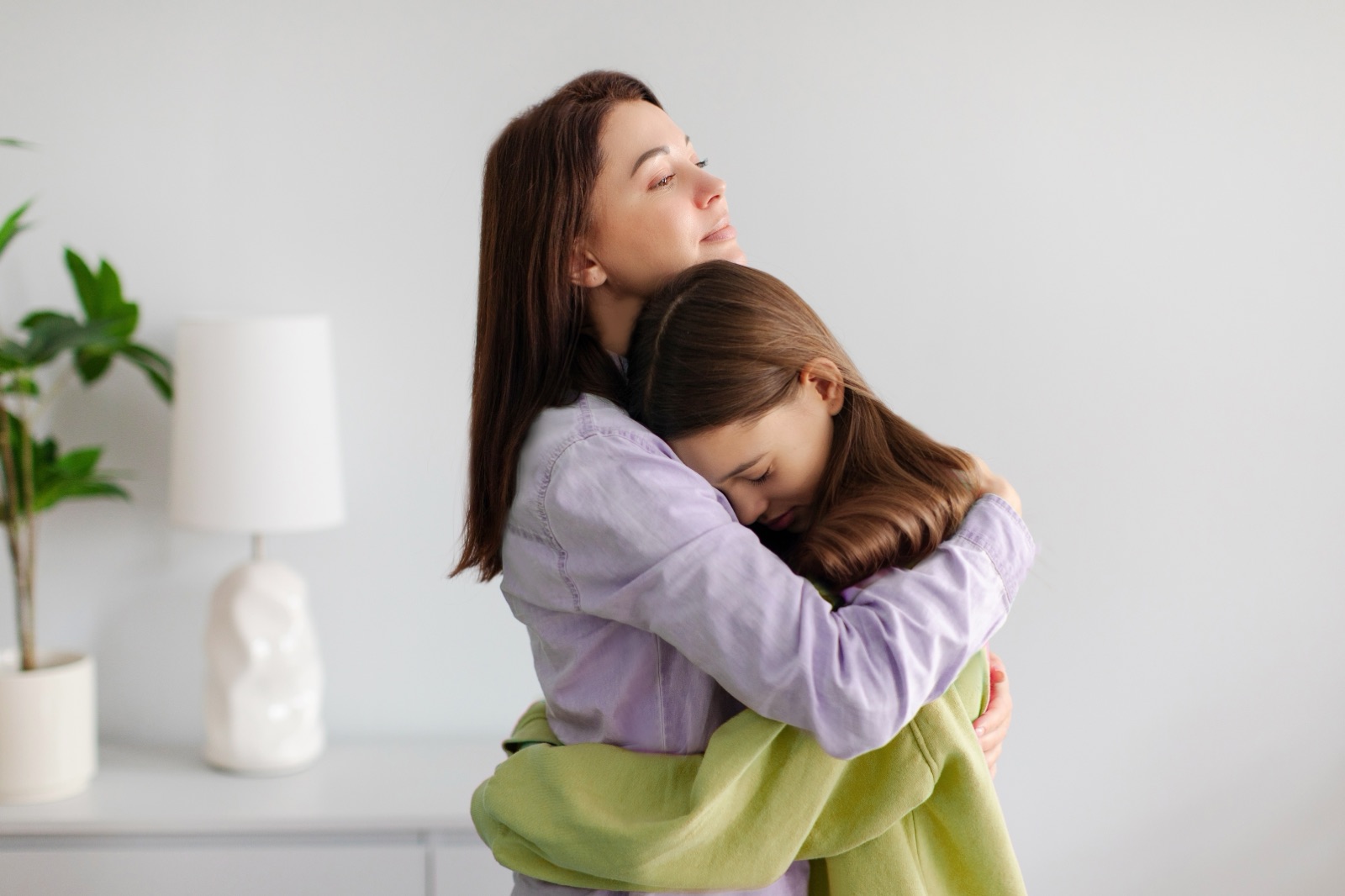
A holiday gathering is rarely hard for one reason. It is more people, more noise, brighter lights, new smells and food, a later bedtime and a lot of social expectation, all on the same day. Children with sensory processing differences can find that load harder to manage than other children do, and every child’s triggers are different. The most useful work happens before you arrive: a quiet place to go, a signal for when it is too much, and a plan to leave early without it becoming a crisis. The American Academy of Pediatrics suggests that if a child is “complaining, covering their ears, or seems uncomfortable,” you “consider an early exit.”1
Key takeaways
- Holiday gatherings combine several kinds of sensory input at once, plus a changed routine and social expectations.
- Plan a quiet space and an agreed signal before you arrive, and tell your child where the quiet space is.
- For loud events, the AAP advises earmuffs rather than earplugs for young children, because earplugs can be a choking hazard.
- Relatives’ homes may not be childproofed. The AAP suggests walking through and checking for loose cords, unlocked cabinets and cleaning or laundry products.
- Greetings can be offered as choices, such as a wave or a high five, rather than required hugs.
- Leaving early is a plan, not a failure. Recovery time afterward is part of the day.
- If holiday events are consistently very hard, your child’s therapist or pediatrician can help you plan for them.
Why do holidays pile up sensory input?
Because nearly every part of the day changes at once. There are more people in the room, more conversations happening together, music, clattering dishes, flashing lights, cooking smells, scratchy clothes and unfamiliar food. The schedule moves too: meals happen at different times, naps are skipped and bedtime runs late.
Children process that input differently. Some children avoid it and pull away, cover their ears or refuse to come into the room. Others seek more of it and get louder, faster and more physical. Many do both on the same day. Our guide to sensory overload in children explains the signs to look for. Knowing which pattern your own child tends toward tells you what to plan for.
How do I plan a gathering before we arrive?
Most of what helps is decided in advance, when everyone is calm.
- Preview the day. Tell your child who will be there, what will happen, and roughly in what order. Photos of the relatives or the house can help a child who does better with pictures than words.
- Agree on a quiet space. Ask the host for a room or corner your child can go to, and show your child where it is when you arrive.
- Agree on a signal. A word, a card or a hand squeeze that means “I need a break,” so your child does not have to explain it in front of a room full of people.
- Brief one adult. One relative who knows the plan can back you up when someone else questions it.
- Pack what already works. Headphones or earmuffs, a comfort item, a familiar snack, and a change of comfortable clothes.
- Decide what matters to you. The photo, the greeting, the whole meal at the table: keep the one that matters and let the rest go.
Our page on sensory challenges outside the house covers how to prepare for outings in general, including what to carry.
What helps with noise at a party?
Distance and breaks do most of the work. Seat your child away from the speaker, the kitchen and the busiest part of the room, and build in quiet breaks before your child asks for them.
For loud events, the American Academy of Pediatrics and the American Speech-Language-Hearing Association advise that young children wear well-fitting earmuffs rather than earplugs, because earplugs can be a choking hazard.1 The same guidance names the signs that a child’s ears need a break: if your child is complaining, covering their ears or seems uncomfortable, consider leaving early.1
If your child is especially bothered by sound, our page on noise sensitivity explains what tends to help and what does not.
What about lights, decorations and smells?
Decorations arrive all at once, and a room can look very different overnight. A few things that are easy to try:
- Put decorations up in stages, and let your child help, so the change is gradual and expected.
- Keep one room at home plain and familiar.
- Choose steady lights over flashing or chasing ones, or keep flashing lights to one room.
- Go easy on scented candles, air fresheners and strong cooking smells in the rooms your child spends time in.
- At someone else’s home, it is reasonable to ask whether a flashing display can be switched off for a while.
Our sensory-friendly home checklist goes room by room if you want to set up a calmer space for the season.
What should I check when we visit relatives?
Safety first, then comfort. The AAP reminds parents that relatives’ homes “may not be fully childproofed” and suggests walking through to address concerns, including loose cords, unlocked cabinets, and cleaning or laundry products.2 A child who is overwhelmed and looking for somewhere to escape to may head straight for the room nobody checked.
Then find the quiet space, the bathroom and the exits, so that a break can happen quickly. The AAP also suggests sticking, as much as possible, to the habits that keep your child healthy at home, including sleep schedules.2 If you are traveling to get there, our page on traveling with kids covers the journey itself.
What if the gathering is at our house?
Hosting gives you more control, and it also means your child cannot leave. So make a place to leave to:
- Keep your child’s bedroom, or another room, off-limits to guests and quiet.
- Tell guests in advance that your child may take breaks and that this is planned.
- Keep one part of the day the same as usual, such as a familiar meal or the normal bedtime routine.
- Give your child a job, such as taking coats or handing out napkins, if that helps them feel part of it on their own terms.
Does my child have to hug everyone?
No. Hugs and kisses from many people in a row are a lot of touch, often from people a child sees rarely. Offer choices instead: a wave, a high five, a fist bump or simply saying hello. Let relatives know ahead of time so it is not read as rudeness. The same applies to holiday clothes: a comfortable outfit your child will actually wear is better than a formal one that ends the day early.
What if it becomes too much anyway?
Sometimes it will, even with a good plan. When it does, reduce the input first: move to the quiet space, lower your voice, use fewer words and stop asking questions. Our step-by-step guide on how to calm sensory overload sets out what to do in order.
If your child is in a full meltdown, it helps to know how that differs from a tantrum, because they call for different responses. Our page on meltdowns and tantrums explains the difference.
Leaving early is a reasonable outcome, not a failure. As the AAP puts it about holiday travel, “there’s no ‘perfect’ when it comes to holiday travel with kids.”2 Plan some quiet time for the next day, too, since the effects of a big day do not always end when you get home.
When is it worth talking to a therapist?
If holiday events are consistently very hard for your child, or everyday life outside the holidays is hard in the same ways, it is worth raising with your child’s pediatrician or therapist. An occupational therapist can help you understand your child’s sensory patterns and plan for events like these. If your child does not have one, you can search our directory for occupational therapists.
Frequently asked questions
Should we skip holiday gatherings altogether?
Not necessarily. Many families find a shorter visit, a planned quiet space and an agreed way to leave works better than skipping. If a particular event is too much this year, it is fine to choose a smaller one instead.
Are noise-canceling headphones or earmuffs better than earplugs for kids?
For young children, the AAP advises well-fitting earmuffs rather than earplugs, because earplugs can be a choking hazard. Let your child try them at home first so they are familiar before the event.
How do I explain my child’s needs to relatives?
Keep it short and practical, and say it before the day: your child may need breaks, may not want hugs, and may leave early, and that this is the plan. One relative who knows the plan can help explain it to others.
My child seems fine at the party and falls apart at home. Is that normal?
Many children hold it together in public and release it once they are somewhere safe. Plan a quiet evening after a big event, and talk to your child’s therapist if it happens often.
Sources
- American Academy of Pediatrics and American Speech-Language-Hearing Association. Tips to Preserve Your Child’s Hearing During the Holidays. HealthyChildren.org. Last updated December 13, 2023. Young children should wear earmuffs instead of earplugs, which can be a choking hazard; “If your child is complaining, covering their ears, or seems uncomfortable, consider an early exit.” Read September 15, 2026. healthychildren.org
- American Academy of Pediatrics. Holiday Travel Tips. HealthyChildren.org. Last updated December 4, 2025. “As much as possible, stick to the habits that keep your child healthy at home. Maintain sleep schedules”; relatives’ homes “may not be fully childproofed. Walk through and address safety concerns, including loose cords, unlocked cabinets, cleaning or laundry products”; “there’s no ‘perfect’ when it comes to holiday travel with kids.” Read September 15, 2026. healthychildren.org
Medical disclaimer. This page is for general educational purposes and does not constitute medical advice, diagnosis, or treatment.