
Speech and language
Speech Delay in Toddlers
The milestones as the CDC states them, whether a late talker is a late talker — and why hearing gets tested first.
- Editorially Reviewed
- Evidence Based
- Patient Focused
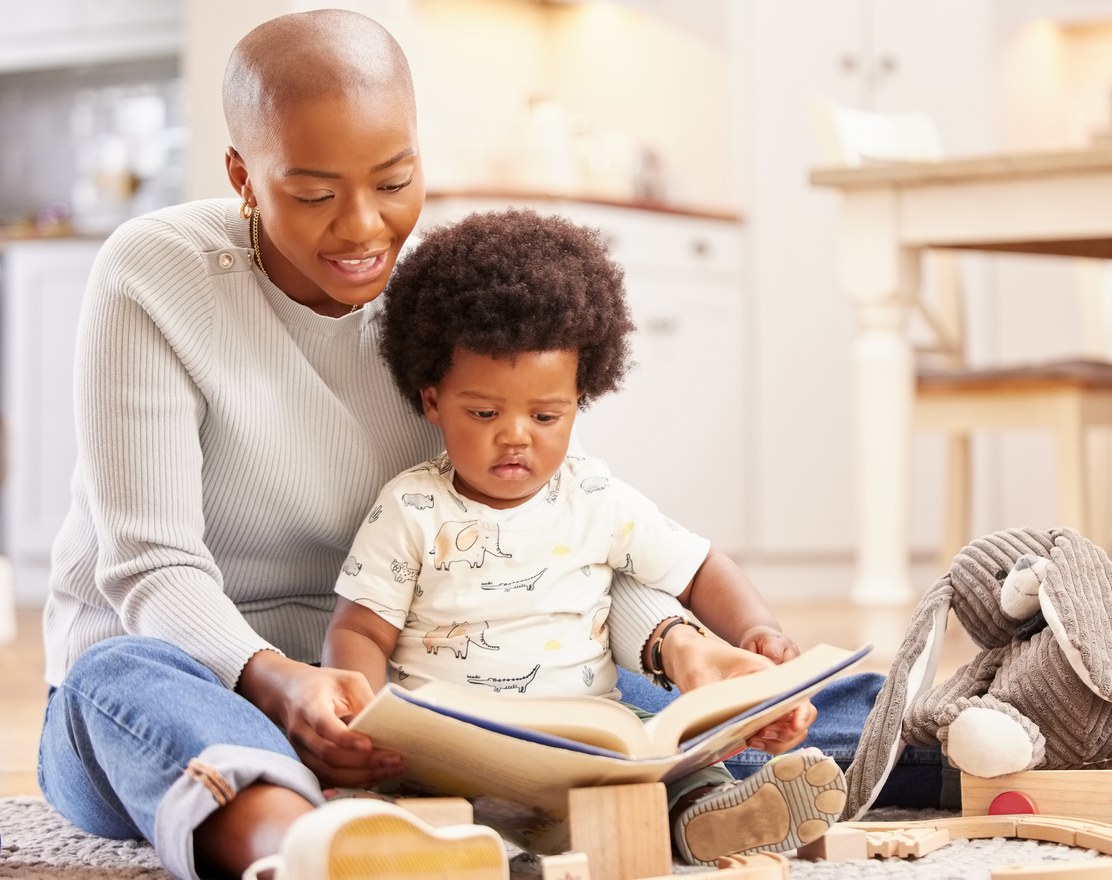
A speech delay means a child is developing speech later than most children their age. The single most useful correction to what parents are usually told: the CDC does not put "50 words" at two years — it lists "says about 50 words" at 30 months, and at two years it lists "says at least two words together." Most children who are late to talk do catch up, but no one can tell in advance which children will, which is why "wait and see" is a gamble rather than a plan. Two things justify acting now rather than waiting: a child who does not understand language as well as peers, and any loss of words or skills a child previously had. A hearing test comes first, always.
What is a speech delay?
A speech delay means speech is developing later than in most children of the same age. It describes a pattern rather than a cause, and the causes range from hearing loss to a language disorder to nothing identifiable at all.
It is worth separating two things that get merged. Speech is producing sounds and words. Language is understanding and using them. A child can be behind on one and not the other, and which one it is changes what happens next. → Developmental language disorder
The milestones, as the CDC states them
The CDC describes each checklist as the milestones that most children do by that age. That framing matters: a missed item is a reason to ask, not a finding.
| By this age | Most children |
|---|---|
| 6 months | Takes turns making sounds with you · blows raspberries · makes squealing noises |
| 9 months | Makes a lot of different sounds like "mamamama" and "bababababa" |
| 12 months | Waves bye-bye · calls a parent "mama" or "dada" or another special name · understands "no" |
| 15 months | Tries to say one or two words besides "mama" or "dada" · looks at a familiar object when you name it · points to ask for something |
| 18 months | Tries to say three or more words besides "mama" or "dada" · follows one-step directions without any gestures |
| 2 years | Says at least two words together, like "More milk" · points to things in a book when you ask · points to at least two body parts when asked |
| 30 months | Says about 50 words · says two or more words together with one action word, like "Doggie run" · says words like "I," "me," or "we" |
| 3 years | Talks with you using at least two back-and-forth exchanges · asks "who," "what," "where" or "why" questions · talks well enough for others to understand, most of the time |
| 4 years | Says sentences with four or more words · talks about at least one thing that happened during their day · answers simple questions like "What is a coat for?" |
What about speech sounds?
Being hard to understand is a different question from not talking, and it follows its own timetable. ASHA's guidance is that monolingual English-speaking children in the US learn some sounds early — p, m, w — while others such as z, v and th take longer, and that most children can say almost all speech sounds correctly by four years old.
The CDC's three-year marker is the practical one for parents: talking well enough for other people to understand, most of the time. A three-year-old whom strangers cannot follow is worth an assessment even if the vocabulary is large.
Is my child a late talker or is something else going on?
The distinguishing question is understanding. A "late talker" in the usual sense is a toddler whose comprehension is age-appropriate and whose expressive vocabulary is behind. When understanding is also behind, that is a different picture and a more pressing one.
Will a late talker catch up on their own?
Most do — and there is no reliable way to tell in advance which ones will. That is the honest state of it, and it is why "he'll grow out of it" is not advice. It is a prediction, offered without any way to check it, about the child in front of you.
What tips the odds toward catching up?
Age-appropriate understanding, plenty of gesture and pointing, and clear attempts to communicate are the encouraging signs. Limited understanding, little gesture, and no apparent drive to get a message across are the ones that argue for assessing sooner.
Get hearing tested first
Before anything else, have hearing tested. It is quick, it can be done at any age including in babies, and hearing loss is the most common cause of speech delay that is completely treatable.
Persistent middle-ear fluid — glue ear — is easy to miss at home because it fluctuates: a child hears well one week and poorly the next, which reads as inconsistency or not listening rather than as a hearing problem.
When to act now rather than wait
These warrant prompt attention rather than a further period of watching:
- Any loss of words, babbling, or social skills the child previously had — at any age. Regression is the one item on this list that is urgent on its own.
- No babbling by 12 months, or no gesturing such as pointing and waving
- No single words by 16 months
- No two-word phrases by 24 months
- Not responding to their name, or not turning to sounds
- Understanding clearly behind peers, not just talking
- Not understandable to people outside the family by three
Ask about autism assessment as well if the difficulty extends beyond words — limited eye contact, little interest in sharing attention, or not using gesture to communicate. → Autism
If speech is inconsistent — the same word produced differently each time, with visible effort and groping for sounds — that pattern is worth raising specifically. → Childhood apraxia of speech
Does being bilingual cause speech delay?
No. Growing up with more than one language does not cause a speech or language delay, and dropping a home language does not fix one.
Bilingual children may know fewer words in each language counted separately while knowing as many or more across both. Vocabulary should be counted across all of a child's languages, and an assessment that ignores the home language will get the answer wrong.
How assessment works
A speech-language pathologist looks at understanding and expression separately, at how a child communicates without words, and at how speech sounds are produced — alongside a hearing test.
Under three in the US, early intervention is free in most states and a parent can refer their own child; a doctor's referral is not required. From three, the school district is responsible, and the request should go in writing. → Find a speech-language pathologist
What helps at home
None of this replaces assessment, and all of it is worth doing while you wait for one.
- Narrate what you are doing. Ordinary running commentary, at a level slightly above where your child is.
- Leave space. Ask, then wait — longer than feels natural. Children who take longer to find words are frequently answered for.
- Follow their interest. Language attaches to what a child is already attending to, not to what you would like them to attend to.
- Expand rather than correct. "Doggie" becomes "yes, a big doggie" — not "say the dog."
- Accept gesture and pointing. Gesture is a step toward speech, not a substitute that delays it.
- Read, repeatedly. The same book many times does more than many books once.
What not to do: withhold something until a child says the word for it, ask them to repeat after you as a routine, or make talking a performance for other adults.
Frequently Asked Questions
Who do we see?
A speech-language pathologist. In the US, a parent of a child under three can refer their own child to early intervention without a doctor's referral; from three, request a school evaluation in writing.
Should we wait and see?
Waiting is a gamble rather than a plan. Most late talkers do catch up, but there is no reliable way to tell in advance which ones will, and an assessment costs a family very little compared to a lost year.
What should we do first?
A hearing test. It is quick, it is available even for babies, and hearing loss is the most common cause that is completely treatable — including glue ear, which fluctuates and is easy to miss at home.
What counts as a speech delay?
Speech developing later than most children of the same age. The CDC publishes checklists of what most children do at each age, and consistently missing several items in the language section is the practical signal.
When is a speech delay urgent?
Any loss of words, babbling, or social skills a child previously had, at any age, warrants prompt medical attention rather than a wait. So does no babbling by 12 months and no words by 16 months.
Does being bilingual cause speech delay?
No. Growing up with more than one language does not cause a speech or language delay. Bilingual children may know fewer words in each language separately while knowing as many or more in total, and that is not a delay.
Is it true my child should have 50 words by age two?
That is the most commonly repeated wrong number in this whole area. The CDC lists "says about 50 words" at 30 months, not 24. At two years it lists saying at least two words together.
My child understands everything but barely talks. Is that a problem?
It is more reassuring than the reverse, and it is still worth an assessment. Good understanding is one of the better signs for catching up, but it does not guarantee it.
Sources
- Centers for Disease Control and Prevention. Learn the Signs. Act Early. Developmental milestone checklists. Checked August 19, 2026.
- Zubler JM, Wiggins LD, Macias MM, Whitaker TM, Shaw JS, Squires JK, et al. Evidence-informed milestones for developmental surveillance tools. Pediatrics. 2022;149(3):e2021052138. doi:10.1542/peds.2021-052138 (PMID 35132439)
- American Speech-Language-Hearing Association. Practice portal: communication milestones and speech sound disorders. Checked August 19, 2026.
Disclaimer. This page is for general educational purposes and does not constitute medical advice, diagnosis, or treatment. Always consult a qualified professional about your own child.