

Quick answer. Our top pick is the Ergobaby Omni design, a soft-structured carrier that takes a newborn from 7 pounds without an insert up to 45 pounds in four positions; Ergobaby no longer lists the mesh Omni Breeze we reviewed, and its Omni Classic, with a mesh option, lists at $179.5,6 On a budget, our pick is the Infantino Flip 4-in-1 Convertible Carrier, rated for 8 to 32 pounds.9
Babywearing is an age-old practice with modern-day magic. It offers a unique combination of freedom and closeness, allowing you to navigate your day with both hands free while keeping your baby snug, secure, and connected to you. A good baby carrier is more than just a convenience; it’s a tool that can soothe a fussy baby, promote bonding, and make adventures big and small possible.
But the world of baby carriers is vast and varied, featuring wraps, slings, and structured carriers in countless styles. How do you find the one that’s the perfect fit for both you and your baby? This guide will walk you through everything you need to know. We’ll explore the different types of carriers, break down the essential features to look for, and review our top-rated baby carriers to help you choose with confidence.
Key takeaways
- A carrier that is uncomfortable for you will end up in a closet, so the fit on the adult matters as much as the fit on the baby.
- Look for a design that distributes the baby's weight evenly rather than hanging it off your shoulders.
- Wide padded shoulder straps stop the straps digging in and spread the load across the shoulders.
- The baby's hips should sit in a spread-squat position, knees higher than the bottom, which is what supports healthy hip development.
- A newborn needs head and neck support from the carrier until they can hold their head steadily themselves.
- Try it on with the baby in it before buying if you possibly can. Carriers fit bodies differently and specifications do not capture that.
What to Look for When Choosing a Baby Carrier
Finding the right carrier is a personal decision that depends on your body, your baby's age, and your lifestyle. Focusing on these core principles will lead you to a choice that is safe, comfortable, and a joy to use.
Ergonomics and Safety: The "M" Position
The most critical aspect of any carrier is how it positions your baby. A safe and ergonomic carrier should support your baby in a natural "M" or "froggy" position. This means:
- The baby’s knees are higher than their bottom.
- The carrier supports them from knee to knee.
- Their spine is naturally rounded in a "C" shape.
This is the position the International Hip Dysplasia Institute describes for healthy hips; the IHDI does not certify or endorse carriers, and says no carrier can cause or prevent hip dysplasia.4 Just as important is the airway: keep your baby's face visible, nothing blocking their nose and mouth, and their chin away from their chest.10,11
Comfort for the Wearer
A carrier that isn't comfortable for you will end up collecting dust in a closet. Look for features that distribute your baby's weight evenly to prevent back and shoulder strain.
- Wide, Padded Shoulder Straps: These prevent digging and distribute weight across your shoulders.
- Supportive Waistband: A wide, firm waistband is essential, especially in soft-structured carriers. It transfers the majority of your baby's weight to your hips, taking the load off your back.
- Adjustability: A carrier that can be adjusted to fit different body types is crucial, especially if more than one caregiver will be using it.
Types of Baby Carriers
Understanding the main categories will help you narrow down your options.
- Wraps: These are long pieces of fabric that you wrap around yourself and your baby. They offer a custom, womb-like fit and are wonderful for newborns, but they have a steep learning curve.
- Ring Slings: A single piece of fabric is threaded through two rings, creating a pouch for your baby. They are quick to put on and great for shorter trips, but all the weight is on one shoulder.
- Soft-Structured Carriers (SSCs): This is the most popular category. SSCs feature a padded seat for the baby, shoulder straps, and a buckle waistband. They are easy to use, highly adjustable, and excellent for long-term wear.
- Meh Dais (or Bei Dais): This style combines features of a wrap and an SSC. It has a main body panel with four long straps that you tie, offering the custom fit of a wrap with more structure.
Lifestyle and Longevity
Consider how and when you plan to use the carrier.
- Newborn Use: If you want to wear your baby from day one, look for a carrier that is suitable for newborns without a separate infant insert.
- Climate: If you live in a warm climate, choose a carrier made from lightweight, breathable fabric like mesh or linen.
- Activity Level: For hiking and long walks, a supportive SSC is ideal. For quick errands or calming a fussy baby at home, a ring sling might be perfect.
Best Baby Carriers: A Review for Every Parent
We’ve analyzed the top carriers on the market, focusing on safety, comfort, and user-friendliness to bring you our favorite picks.
| Product | Best for | Price |
|---|---|---|
| Ergobaby Omni Breeze | Overall Soft-Structured | No longer listed |
| Solly Baby Wrap | Wrap | From $74 |
| WildBird Ring Sling | Ring Sling | From $68 |
| Infantino Flip 4-in-1 Convertible Carrier | Budget-Friendly | Sold through retailers |
Prices checked on the makers' sites on October 5, 2026 and may have changed since.
1. Best Overall Soft-Structured Carrier: Ergobaby Omni Breeze
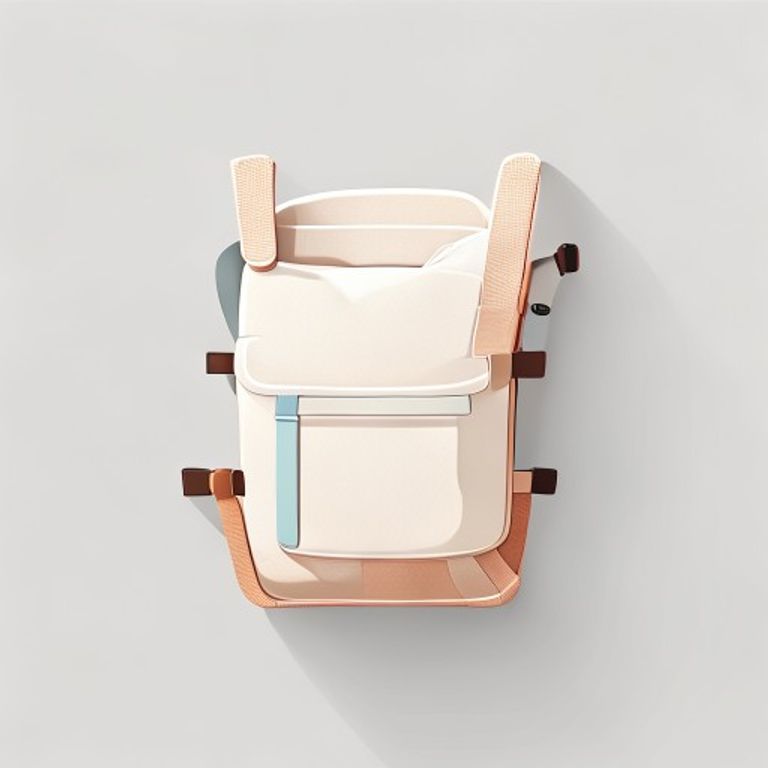
The Ergobaby Omni Breeze excels in almost every category, making it a top choice for most families. Its standout feature is its SoftFlex™ Mesh fabric, which Ergobaby rates first for airflow among comparable mesh carriers, keeping both you and your baby cool and comfortable. It’s highly adjustable, can be used from the newborn stage without an insert, and offers all four carrying positions (front-inward, front-outward, hip, and back).
Pros
- Superior breathability: Ideal for warm weather or active parents.
- Grows with your baby: Suitable from newborn (7 lbs) to toddler (45 lbs) without an insert.
- Excellent ergonomic support: Padded lumbar support and crossable shoulder straps provide amazing comfort for the wearer.
- Easy to adjust: Intuitive sliders make it simple to switch between carry modes and caregivers.
Cons
- Higher price point: It is a premium carrier with a premium price tag.
- Can feel bulky: The robust padding and features make it less compact than other carriers.
Ergobaby's US store no longer lists the Omni Breeze. Its current Omni carriers keep the same 7 to 45 lb range and four carrying positions: the Omni Classic, with a mesh option, lists at $179, and the Omni Deluxe at $219.5,6
2. Best Wrap Carrier: Solly Baby Wrap
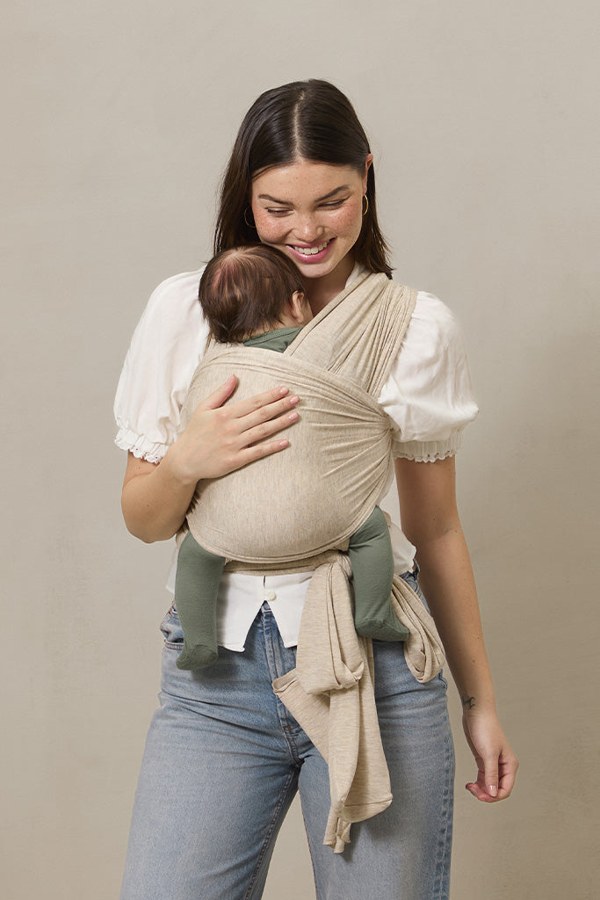
For the newborn stage, nothing beats the cozy, womb-like embrace of a wrap, and the Solly Baby Wrap is a fan favorite. It’s made from incredibly soft, lightweight, and sustainable TENCEL™ Modal fabric. The fabric is buttery soft against a newborn’s skin and breathable enough to be comfortable year-round.
Pros
- Ultra-soft and lightweight fabric: Feels luxurious and doesn't overheat the baby.
- Custom, ergonomic fit: Perfectly supports a newborn's C-shaped spine.
- Compact and portable: Folds down small to easily fit in a diaper bag.
Cons
- Steep learning curve: It takes practice to learn how to tie the wrap securely and confidently.
- A narrow weight window: Safety-tested for babies 8 to 25 pounds, so a newborn under 8 lbs is outside the tested range. Solly describes it as ideal for bonding through the first six months.
3. Best Ring Sling: WildBird Ring Sling

WildBird has built a loyal following for its beautiful and functional ring slings. Made from 100% linen, these slings are strong, supportive, and breathable. WildBird says they meet the ASTM F2907 sling standard and rates them to 35 lbs; the solid colors cost $68.8 Ring slings are fantastic for their speed and simplicity—once you get the hang of it, you can pop your baby in and out in seconds. They excel for quick trips, breastfeeding on the go, and comforting a baby who wants to be up and down frequently.
Pros
- Quick and easy to use: Perfect for errands and situations where you need to get the baby up quickly.
- Stylish and beautiful fabrics: Available in a wide array of colors and patterns.
- Compact: Easily fits into a purse or diaper bag.
Cons
- One-shoulder carry: Can cause strain during long periods of wear as all the weight is on one shoulder.
- Requires practice: Learning to properly thread and tighten the rings takes some effort.
4. Best Budget-Friendly Carrier: Infantino Flip 4-in-1 Convertible Carrier
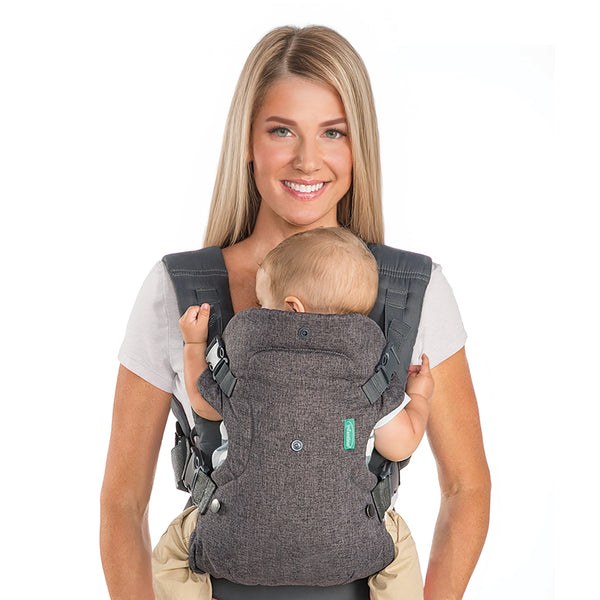
The Infantino Flip proves that you don't need to spend a fortune to get a safe and functional baby carrier. This convertible SSC is incredibly popular for its versatility and value. It offers four carrying positions, including a forward-facing option, and includes a clever adjustable seat that narrows for small infants and widens for older babies to ensure an ergonomic fit.
Pros
- Affordable: Usually a fraction of the price of the premium carriers here (Infantino sells it through retailers rather than listing a price), and rated for 8 to 32 lbs.9
- Versatile: Offers four carrying positions to grow with your baby.
- Drool bib included: Comes with a bib to protect the carrier from drool.9
Cons
- Less comfortable for long-term wear: The padding on the shoulder straps and waistband is not as robust as on premium models.
- Basic materials: Lacks the high-end feel and breathability of more expensive carriers.
How do you wear a baby carrier safely?
- Face visible, airway clear. Nothing blocking your baby's nose and mouth, and their chin off their chest.11
- Extra care under 4 months. The CPSC warned about slings after infant deaths, most of them in babies younger than four months.10
- Within the carrier's limits. Soft carriers and slings sold in the US must meet federal safety standards; use them only within the weight range on the label.1,3
- Knees higher than bottom, supported from knee to knee, as described above.
When should you ask a professional?
If your baby always turns their head the same way, seems stiff or floppy, or you have any concern about their hips, raise it with your pediatrician. DrSensory explains torticollis, the one-sided head turn, and when a physical therapist helps babies and toddlers.
Making Your Final Choice
The best baby carrier is the one you will actually use. If possible, try on different styles to see what feels best on your body. Join a local babywearing group or visit a boutique that allows you to test carriers. Think about your primary use case—will this be for gentle walks and housework, or for long hikes and travel?
Investing in a high-quality, ergonomic baby carrier is an investment in your comfort and your baby’s well-being. It gives you the freedom to continue living your life while keeping your little one exactly where they want to be: close to your heart.
Frequently asked questions
Which baby carrier is best?
Our top pick is the Ergobaby Omni design, a soft-structured carrier that carries a newborn from 7 pounds without an insert up to 45 pounds, in four positions; it costs more and is bulkier than most, and Ergobaby now sells it as the Omni Classic and Omni Deluxe rather than the Breeze. On a budget, our pick is the Infantino Flip 4-in-1 Convertible Carrier, rated for 8 to 32 pounds.5,9
Which baby carrier is best for a newborn?
One that supports a newborn's head and neck and keeps the face visible and the chin off the chest, with the knees higher than the bottom. A wrap such as our pick, the Solly Baby Wrap, gives the closest fit but is safety-tested from 8 pounds; Ergobaby's Omni carriers take a newborn from 7 pounds without an insert.11,7,6
How do I choose a baby carrier?
Start with how it holds your baby: knees higher than the bottom, supported from knee to knee, with the face visible and the airway clear. Then the fit on you: wide padded shoulder straps and a firm waistband that takes the weight onto your hips, and try it on with your baby before you buy if you can.
Is there a pediatrician-recommended baby carrier?
No brand carries a medical endorsement, and the International Hip Dysplasia Institute does not certify carriers. What matters is how a carrier holds your baby: face visible, chin off the chest, knees higher than the bottom.4,11
What are the types of baby carriers?
Wraps (a long piece of fabric you tie), ring slings (fabric through two rings, worn on one shoulder), soft-structured carriers (a padded seat, shoulder straps and a buckled waistband), and meh dais (a panel with four long straps you tie).
What is the most comfortable baby carrier?
The one that fits your body: wide, padded shoulder straps, a firm waistband that moves the weight to your hips, and adjustment for every adult who will wear it. Try carriers on with your baby in them before you buy.
Need more than an article?
Gear can only do so much. If something about how your child eats, moves, or talks has been on your mind, a pediatric therapist is the person who assesses it — and most families do not need a referral to ask.
Find a therapist near you →Related DrParenting guides
All DrParenting guides →More from DrSensory
DrParenting covers the gear. DrSensory covers the development behind it, written and reviewed by clinicians.
Sources
- Office of the Federal Register. 16 CFR Part 1226 — Safety Standard for Soft Infant and Toddler Carriers. ecfr.gov. Checked August 21, 2026.
- U.S. Consumer Product Safety Commission. Soft Infant and Toddler Carriers Business Guidance. cpsc.gov. Checked August 21, 2026.
- U.S. Consumer Product Safety Commission. Sling Carriers Business Guidance. cpsc.gov. Checked August 21, 2026.
- International Hip Dysplasia Institute. Baby Carriers & Related Products. hipdysplasia.org. Checked October 5, 2026.
- Ergobaby. Baby Carriers. ergobaby.com. Checked October 5, 2026.
- Ergobaby. Omni Classic Baby Carrier. ergobaby.com. Checked October 5, 2026.
- Solly Baby. Baby Wrap Carrier. sollybaby.com. Checked October 5, 2026.
- WildBird. Raven – Linen Sling. wildbird.co. Checked October 5, 2026.
- Infantino. Flip 4-in-1 Convertible Baby Carrier. infantino.com. Checked October 5, 2026.
- U.S. Consumer Product Safety Commission. Infant Deaths Prompt CPSC Warning About Sling Carriers for Babies. cpsc.gov. Checked October 5, 2026.
- U.S. Consumer Product Safety Commission. New Federal Standard to Improve Safety of Infant Slings Takes Effect. cpsc.gov. Checked October 5, 2026.
Medical disclaimer. This page is for general educational purposes and does not constitute medical advice, diagnosis, or treatment. Always consult a qualified healthcare provider about your child. Product information is checked against the manufacturer at the date shown and can change without notice — confirm weight and age limits on the product itself before you rely on them. Talk to your pediatrician about your own child.